Peru is far more than breathtaking landscapes and iconic archaeological sites. It is a country where ancient civilizations, vibrant traditions, and diverse cultural influences come together to create one of the most fascinating cultural landscapes in the world.
From the sacred temples of the Incas to colorful festivals in the Andes, from Afro-Peruvian music on the coast to Amazonian traditions deep in the rainforest, Peru’s culture is a living tapestry shaped by thousands of years of history.
For travelers seeking authentic experiences, discovering the cultures of Peru offers a deeper understanding of the country’s identity. At Andean Travel Experience, we believe that the most memorable journeys are those that connect travelers with local traditions, communities, and living heritage.
In this guide, we explore the diverse cultural influences that define Peru and the traditions that visitors can experience during their travels.
The Cultural Foundations of Peru
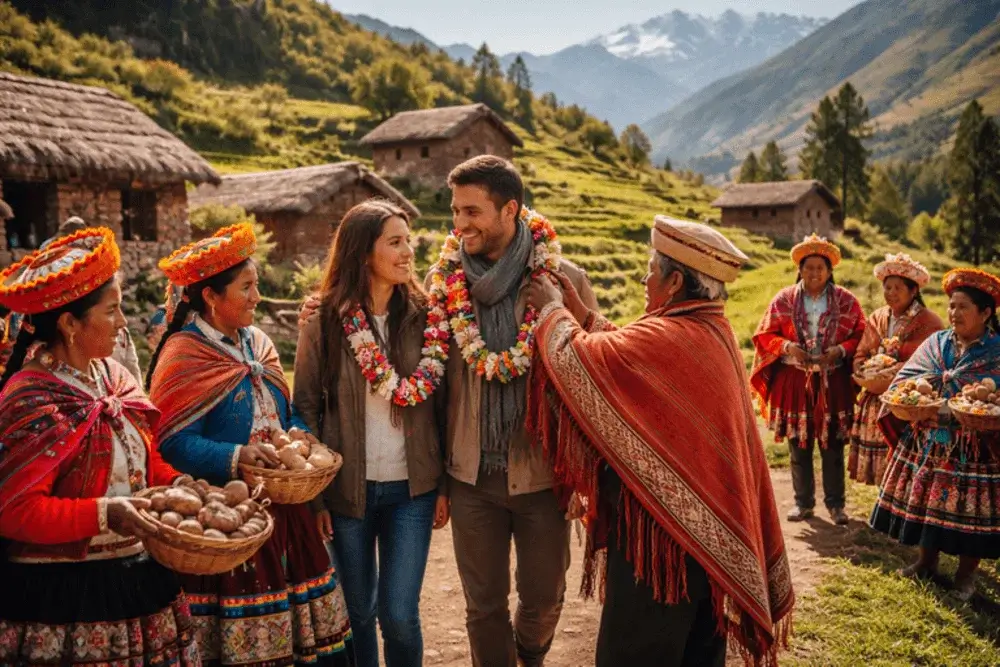
Peru’s culture is the result of centuries of interaction between Indigenous civilizations, colonial influences, and global migration. Rather than replacing older traditions, new cultural influences blended with existing ones to create something uniquely Peruvian.
Today, Peru is home to dozens of Indigenous communities and cultural traditions that continue to shape language, food, art, and everyday life.
Key cultural influences include:
Indigenous Andean and Amazonian cultures
Spanish colonial traditions
Afro-Peruvian heritage
Italian, Chinese, and Japanese immigration
Modern global influences
This cultural fusion has created a dynamic society where ancient rituals and contemporary creativity coexist.
Indigenous Cultures and the Legacy of the Inca Empire
Long before European arrival, powerful civilizations thrived throughout Peru. Among them, the Inca Empire became the most influential, controlling vast territories across the Andes during the 15th century.
The Incas developed remarkable systems of:
Agriculture and terrace farming
Road networks across mountains
Astronomy and ceremonial rituals
Advanced stone architecture
Today, travelers can explore this legacy at archaeological sites such as:
Machu Picchu
The Sacred Valley
Sacsayhuamán
Ollantaytambo
However, the legacy of the Incas is not limited to ruins. Many Indigenous communities continue to preserve traditions through language, agriculture, weaving, and ceremonial practices.
In the Andes, rituals honoring Pachamama (Mother Earth) and sacred mountain spirits remain important cultural practices.
Spanish Colonial Influence and Cultural Fusion
Spanish rule in Peru lasted nearly three centuries and introduced major cultural changes, including:
The Spanish language
Catholic religious traditions
European art and architecture
Colonial urban design
However, Indigenous culture remained resilient. Over time, local traditions blended with European customs in a process known as cultural syncretism.
A notable example is the Cusco School of Art, where Indigenous artists combined European painting techniques with Andean symbolism.
Today, colonial churches stand beside ancient temples, illustrating the layered cultural history of Peru.
Afro-Peruvian Culture and Music Traditions
Afro-Peruvian culture emerged during the colonial period and has played an essential role in shaping Peru’s music, cuisine, and identity.
One of its most famous contributions is the cajón, a percussion instrument created in the 19th century. According to historical accounts, Afro-Peruvian communities developed the instrument after colonial authorities prohibited traditional drums.
Today, the cajón is widely used in Peruvian music and even became a key instrument in Spanish flamenco.
Afro-Peruvian culture is especially visible in coastal regions, where music, dance, and culinary traditions continue to influence modern Peruvian culture.
Immigration and Cultural Diversity in Peru
During the 19th and 20th centuries, Peru welcomed immigrants from different parts of the world.
Among the most influential communities were:
Italians
Chinese
Japanese
These groups contributed significantly to Peru’s economic development, gastronomy, and cultural identity.
For example:
Chinese immigrants helped create Chifa cuisine, a fusion of Chinese and Peruvian food.
Japanese immigrants influenced Nikkei cuisine, now internationally recognized for its innovative seafood dishes.
These cultural exchanges helped shape the globally celebrated Peruvian culinary scene.
Festivals and Celebrations Across the Country
Peru is famous for its vibrant celebrations. In fact, the country hosts thousands of festivals each year, many combining Catholic and Indigenous traditions.
Some of the most notable include:
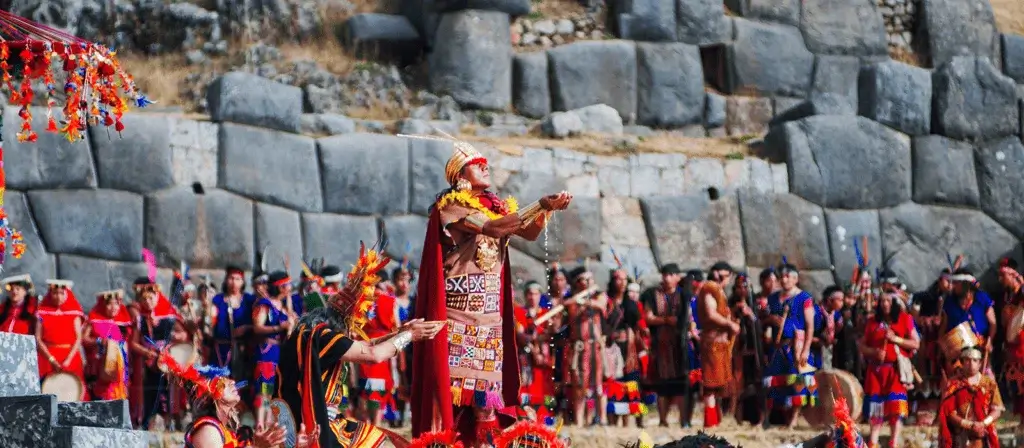
Inti Raymi – Cusco
A spectacular reenactment of the ancient Inca Festival of the Sun held every June 24.
→ Inti Raymi: Inca Culture’s Great Sun Festival
Virgen de la Candelaria – Puno
One of South America’s largest festivals, featuring elaborate dances and traditional costumes.
→ The Feast of the Virgen de la Candelaria in Puno
Señor de los Milagros – Lima
A major religious procession attracting thousands of participants each year.
These celebrations allow visitors to experience music, dance, food, and spirituality in a truly immersive way.
Traditional Arts, Textiles, and Handicrafts
Art and craftsmanship have long been central to Peruvian culture.
Many communities still produce traditional crafts using techniques passed down for centuries.
Common crafts include:
Handwoven alpaca textiles
Traditional clothing and ponchos
Ceramic pottery
Silver and gold jewelry
Decorative wood carvings
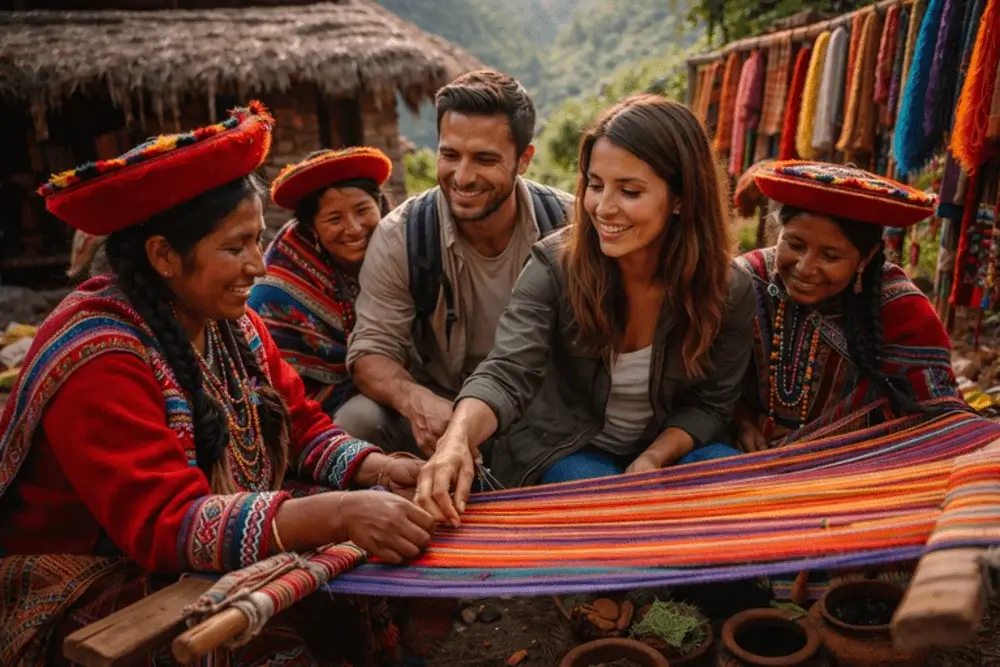
In the Andes, weaving is more than an art it is a cultural language expressing identity and heritage.
Peruvian Gastronomy: A Cultural Journey Through Food
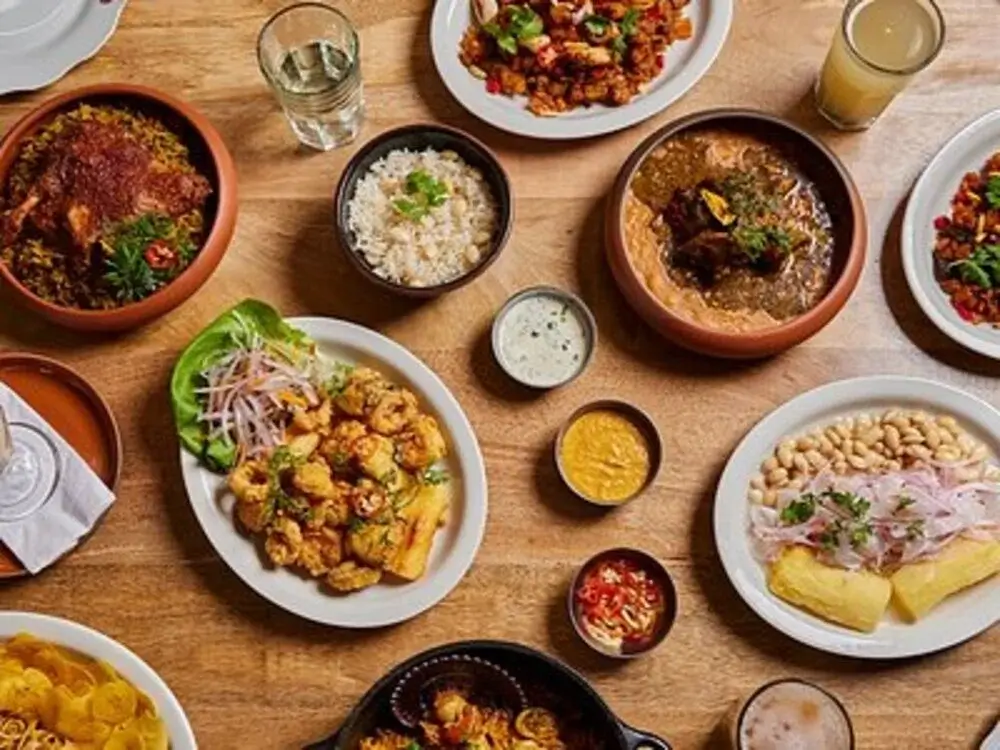
Peruvian cuisine reflects the country’s multicultural history.
Traditional ingredients include:
Potatoes (thousands of varieties originated in Peru)
Corn and quinoa
Fresh seafood
Native fruits and vegetables
These ingredients combine with international influences to create iconic dishes such as:
Lomo Saltado
Arroz Chaufa
Tiradito
Peru’s gastronomy is now recognized as one of the most diverse and innovative cuisines in the world.
Cultural Regions of Peru
Peru’s cultural diversity is closely tied to its geography.
The Coast
A vibrant region known for seafood cuisine, Afro-Peruvian music, and colonial cities.
The Andes
Home to many Indigenous communities where traditional languages, weaving, and agricultural practices remain strong.
The Amazon
Indigenous Amazonian cultures maintain deep connections with the rainforest and traditional ecological knowledge.
Each region offers travelers a unique perspective on Peru’s cultural diversity.
Experiencing Peru’s Living Cultures Today
One of the most rewarding aspects of traveling in Peru is the opportunity to experience living traditions.
Visitors can:
Participate in traditional festivals
Visit weaving communities in the Sacred Valley
Explore local markets and cuisine
Learn about Andean ceremonies
Meet Indigenous communities
At Andean Travel Experience, we design journeys that allow travelers to connect with the authentic cultures of Peru through carefully curated experiences.
FAQs About the Cultures of Peru
What cultures influenced Peru?
Peruvian culture developed through the interaction of Indigenous civilizations, Spanish colonial traditions, Afro-Peruvian heritage, and later immigration from Europe and Asia.
What is the most famous cultural celebration in Peru?
The Inti Raymi festival in Cusco is one of the most well-known cultural celebrations, reenacting the ancient Inca Festival of the Sun.
What languages are spoken in Peru?
Spanish is the most widely spoken language, while Indigenous languages such as Quechua and Aymara are also widely used.
Why is Peruvian culture so diverse?
Peru’s diversity is the result of centuries of cultural exchange between Indigenous civilizations, colonial influences, and global migration.
Peru’s culture is not only preserved in museums or ancient ruins it is alive in everyday life, traditions, celebrations, and communities across the country. From the legacy of ancient civilizations in the Andes to the vibrant rhythms of the coast and the ancestral knowledge of the Amazon, Peru offers travelers a cultural journey unlike any other.
Exploring the cultures of Peru means discovering a land where history, identity, and tradition continue to shape modern life. Whether you are wandering through colorful Andean markets, witnessing traditional festivals, learning about ancient weaving techniques, or savoring the country’s world-renowned cuisine, each experience reveals another layer of Peru’s extraordinary heritage.
Whether you dream of discovering the ancient legacy of the Incas, tasting Peru’s incredible gastronomy, or connecting with local communities, our team can design a fully personalized journey through the cultural heart of Peru.