
There is perhaps no animal more closely linked to the spirit of the Andes than the llama.
Yet despite its iconic status, the llama is often overshadowed by its woolly cousin, the alpaca. For discerning travelers seeking a deeper understanding of Peru, the llama offers something far more fascinating: a living connection to the Inca world, high-altitude traditions, and sustainable travel practices that have shaped the Andes for centuries.
Long before roads, railways, and modern transportation, llamas carried goods across vast mountain ranges, helping connect one of the most sophisticated civilizations in the Americas. Today, they continue to play an essential role in Andean communities while offering travelers an authentic window into Peru’s cultural heritage.
If you're planning a luxury journey through Southern Peru, understanding the story of the llama will enrich every step of your adventure.
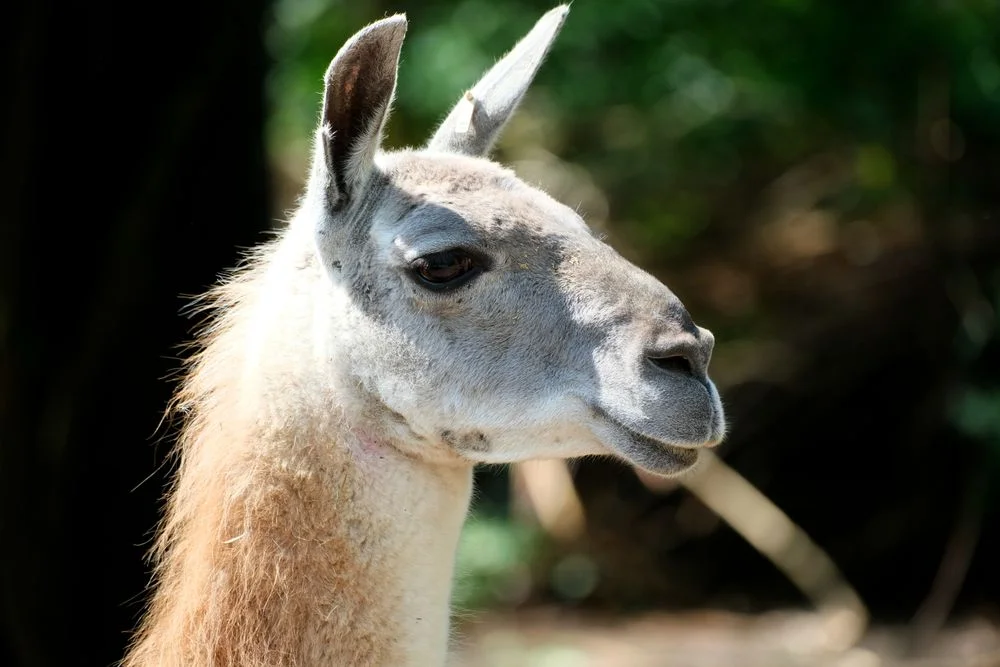
The llama was much more than a domesticated animal for the Incas it was a cornerstone of everyday life.
For centuries, these resilient camelids transported food, textiles, ceramics, and other essential goods across the vast network of roads known as the Qhapaq Ñan, the Great Inca Road System.
The Inca Empire's Trusted Companion
Unlike horses, which arrived with the Spanish in the 16th century, llamas evolved alongside Andean civilizations for thousands of years.
Their ability to thrive at elevations above 4,000 meters (13,000 feet) made them indispensable in a landscape where few other pack animals could survive.
Key reasons the Incas relied on llamas:
- Adapted to high-altitude environments
- Efficient carriers for long-distance trade
- Able to navigate steep mountain trails
- Required minimal resources compared to larger animals
- Integral to agricultural and ceremonial life
Without modern transportation, llamas helped sustain communication and commerce throughout the empire.
Llamas in Inca Spirituality
The relationship between Andean people and llamas extended beyond practicality.
In Inca cosmology, llamas held symbolic and spiritual significance. Historical records describe ceremonial offerings involving llamas, while Andean communities associated them with prosperity, fertility, and protection.
Even today, traditional ceremonies known as pagos a la tierra (offerings to Mother Earth) often include llama symbolism as a gesture of gratitude to Pachamama.
Travel Insight: Experiencing traditional Andean ceremonies with local communities provides remarkable insight into the living heritage of Peru.
Suggested Internal Link: Traditional Andean Ceremonies in Peru
Llama vs Alpaca: Understanding the Difference
One of the most common questions travelers ask is whether llamas and alpacas are the same animal.
While both belong to the camelid family, they serve very different purposes.
Quick Comparison
| Feature | Llama | Alpaca |
|---|---|---|
| Size | Larger (up to 1.8 m tall) | Smaller |
| Weight | Up to 200 kg | Around 55–80 kg |
| Ears | Long, banana-shaped | Short and pointed |
| Face | Longer, less woolly | Covered with fleece |
| Main Purpose | Pack animal | Fiber production |
| Personality | Independent and confident | More timid and social |
Why Travelers Often Confuse Them
Both animals are commonly seen in the Sacred Valley, Cusco, Arequipa, and the Peruvian highlands.
However:
- Alpacas produce some of the world's finest natural fibers.
- Llamas historically served as transport animals.
- Llamas are generally larger and easier to identify in the wild.
Understanding this distinction allows travelers to appreciate the unique role each animal has played in Andean culture.
Travel Tip: Ask your guide about local camelid conservation projects during your visit.
The Remarkable Adaptations of High-Altitude Llamas
The Andes present one of the most challenging environments on Earth.
Thin air, intense sunlight, dramatic temperature changes, and rugged terrain require extraordinary biological adaptations.
Built for Life Above the Clouds
Llamas possess highly efficient oxygen-processing systems that help them thrive in high-altitude environments.
Their physiological adaptations include:
- High hemoglobin concentrations
- Efficient oxygen transport
- Strong endurance over long distances
- Specialized digestive systems adapted to sparse vegetation
These traits allow them to live comfortably in regions where many other mammals would struggle.
Guardians of the High Andes
Today, llamas continue to support rural communities throughout Peru.
In remote areas, they still transport supplies and help preserve traditional lifestyles that have remained largely unchanged for generations.
For travelers, encountering a llama caravan crossing a mountain pass offers a rare glimpse into living Andean history.
Llama Trekking: Peru's Most Sustainable Adventure
Luxury travel is increasingly defined by meaningful experiences and responsible tourism.
Llama trekking embodies both.
Why Llama Trekking Is Environmentally Friendly
Unlike horses and mules introduced during the colonial period, llamas evolved in the Andes.
Their padded feet cause significantly less erosion on fragile mountain trails.
Benefits of llama-supported trekking include:
- Reduced environmental impact
- Preservation of ancient pathways
- Lower pressure on local ecosystems
- Stronger support for indigenous communities
Many conservation-focused trekking projects now incorporate llamas as part of sustainable tourism initiatives.
Walking at the Rhythm of the Andes
Travelers often describe llama trekking as surprisingly peaceful.
Moving at a slower pace encourages:
- Mindful travel
- Deeper connection with nature
- Cultural interaction with local herders
- Greater appreciation of Andean landscapes
Rather than rushing between attractions, travelers become immersed in the rhythm of mountain life.
Travel Inspiration: Imagine walking through the Sacred Valley alongside a traditional caravan while snow-capped peaks rise in the distance.
The Best Places to See Llamas in Peru
Llamas can be found throughout the Andean region, but certain destinations offer particularly memorable encounters.
Sacred Valley, Cusco
The Sacred Valley remains one of Peru's most iconic destinations.
Here, llamas often roam near archaeological sites and traditional farming communities.
Highlights include:
- Ancient Inca terraces
- Traditional weaving villages
- Spectacular mountain scenery
Machu Picchu
Perhaps Peru's most photographed llamas reside at Machu Picchu.
Visitors frequently encounter them grazing peacefully among the ruins, creating one of the country's most iconic images.
Arequipa and the Salinas y Aguada Blanca Reserve
Southern Peru offers some of the most authentic wildlife experiences in the country.
Within the Salinas y Aguada Blanca National Reserve, visitors can observe camelids against a backdrop of volcanoes, high-altitude wetlands, and dramatic Andean landscapes.
This region is also ideal for acclimatization before exploring higher elevations.
Colca Canyon
Known for its breathtaking scenery and soaring condors, Colca Canyon is also home to traditional pastoral communities where llamas remain part of daily life.
Travel Insight: Combining Arequipa, Colca Canyon, and Cusco creates one of the most rewarding cultural and wildlife journeys in Peru.
Frequently Asked Questions About Llamas
Do llamas spit at tourists?
Llamas can spit, but usually only when they feel threatened, stressed, or challenged by another llama.
In well-managed tourism environments, they are generally calm and accustomed to human presence.
Can you ride a llama?
No. Llamas are pack animals, not riding animals.
They can comfortably carry equipment and supplies but are not built to carry adult humans.
Are llamas native to Peru?
Yes.
Llamas were domesticated in the Andes thousands of years ago and remain one of South America's most important native species.
What do llamas eat?
They primarily feed on grasses, shrubs, and native vegetation found throughout the high Andes.
Why the Llama Represents the Future of Responsible Travel
As travelers increasingly seek meaningful experiences, the llama has emerged as a powerful symbol of sustainable tourism.
It represents:
- Respect for indigenous traditions
- Low-impact travel practices
- Cultural preservation
- Authentic connection with local communities
Far from being simply a charming Andean animal, the llama embodies a philosophy of travel rooted in balance, resilience, and respect for place.
For those exploring Peru beyond the conventional tourist trail, understanding the story of the llama offers a deeper appreciation of the landscapes, cultures, and communities that define the Andes.
Discover Peru Through Its Living Heritage
The most memorable journeys are not measured by the number of landmarks visited, but by the stories that stay with us long after we return home.
From the volcanic landscapes of Arequipa to the ancient pathways of the Sacred Valley and the breathtaking heights of the Andes, llamas remain silent guardians of Peru's extraordinary heritage.
At Andean Travel Experience, we design private journeys that connect travelers with the authentic heart of Peru through culture, conservation, gastronomy, and meaningful local encounters.
Ready to experience Peru beyond the guidebooks?