
Archaeologists have confirmed the existence of an ancient underground tunnel system beneath Cusco, Peru once the capital of the mighty Inca Empire. The newly verified network stretches more than a mile and is believed to connect key ceremonial and military sites, offering fresh insight into the advanced engineering and urban planning of Inca civilization.
The discovery strengthens long-standing historical accounts dating back to the 16th century that described mysterious passageways beneath the city. Experts say the tunnels could redefine our understanding of how the Incas organized communication, defense, and sacred movement within their imperial capital.
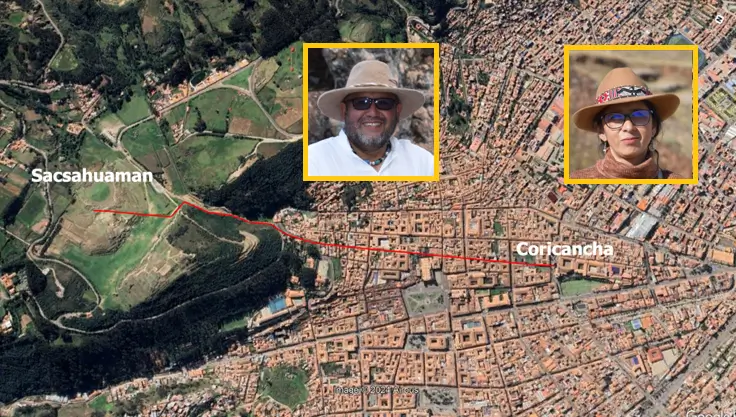
According to the Association of Archaeologists of Peru, the tunnels known as chincana (Quechua for “labyrinth”) — run from the Temple of the Sun, the most sacred Inca religious center, to the monumental Sacsayhuamán fortress overlooking Cusco.
Historical testimony from a Spanish priest in 1594 described a hidden passage beginning at the temple, passing beneath what is now the colonial district near Cusco Cathedral, and extending to Sacsayhuamán. Modern researchers have now verified this route using acoustic testing and ground-penetrating radar technology.
How Scientists Found the Hidden Network
Archaeologists used advanced subsurface imaging tools, including radar and sound-wave analysis, to map the tunnels without excavation. Results indicate:
- Stone-lined walls carefully carved and fitted
- Structural support beams carved from rock
- Multiple branches extending from the main corridor
Researchers Jorge Calero and Mildred Fernandez confirmed that at least three additional tunnel branches were identified, suggesting a far more extensive system than previously imagined.
Why the Discovery Matters for History and Travel
The finding reinforces theories that the Incas developed subterranean routes for strategic communication, ceremonial processions, and possibly emergency escape paths. It highlights the remarkable sophistication of Inca engineering — comparable in ingenuity to other ancient civilizations known for underground infrastructure.
Cusco is already a UNESCO World Heritage Site and the main gateway to Machu Picchu, one of the world’s most iconic archaeological destinations. This discovery adds another layer of fascination, making the historic city even more compelling for cultural travelers and history enthusiasts.
What This Means for Visitors to Peru
For travelers planning a journey through Peru, discoveries like this show that the Andes still hold untold secrets. Archaeologists believe further exploration could uncover additional tunnels, artifacts, or ceremonial chambers meaning the story of the Incas is still unfolding.
As research continues, Cusco’s underground labyrinth may become one of the most important archaeological revelations in South America in recent decades.
Discover more about Peru on our blog.