
Peru’s landscapes are legendary. From the sacred peaks surrounding Cusco to the dramatic terraces of Machu Picchu and the vast high plains of Lake Titicaca, the Andes offer some of the most extraordinary travel experiences on Earth. Yet for many travelers, one question arises before arrival: how will the altitude affect me?
Altitude sickness known locally as soroche can occur when the body adjusts to reduced oxygen levels at higher elevations. For visitors arriving from sea level, destinations in the Andes can represent a sudden change in altitude. While many travelers experience only mild symptoms or none at all, understanding how altitude works can help you travel with confidence.
At Andean Travel Experience, our itineraries are designed with thoughtful pacing, allowing travelers to acclimatize naturally while discovering Peru’s most iconic destinations. With the right preparation and a well-planned itinerary, exploring the Andes can be both comfortable and unforgettable.

What Is Altitude Sickness?
Altitude sickness refers to a group of symptoms that can occur when the body adapts to lower oxygen levels at high elevations. As altitude increases, the air becomes thinner, meaning each breath provides slightly less oxygen than at sea level.
Travelers sometimes notice this change after arriving in mountain cities such as Cusco or Puno. The body typically adjusts naturally through a process known as acclimatization, which may take anywhere from several hours to a few days.
According to widely cited travel health resources, symptoms may begin appearing at elevations above 2,500 meters (8,200 feet), though individual experiences vary.
“The best way to experience Peru’s highlands is to allow your body time to adapt while enjoying the journey slowly.”
Why Altitude Matters When Traveling in Peru
Peru’s geography includes three distinct regions:
- The Coast near sea level (Lima, Paracas)
- The Andes Mountains high elevation cities and archaeological sites
- The Amazon Basin low elevation rainforest
Many iconic destinations lie in the Andes, meaning travelers may move quickly from sea level to over 3,000 meters (10,000 feet).
For example:
Lima sits near sea level.
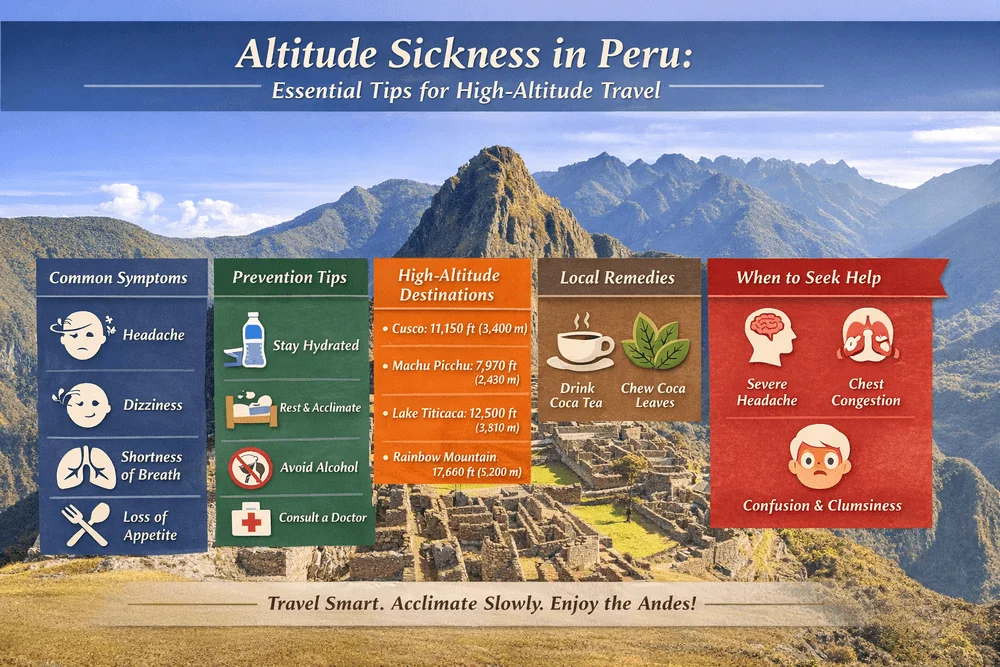
- Cusco lies at approximately 3,400 meters (11,150 feet).
- Lake Titicaca reaches about 3,800 meters (12,500 feet).
This rapid elevation change is why thoughtful trip planning is essential.
High-Altitude Destinations in Peru
Here are approximate elevations for several popular destinations travelers visit during a Peru itinerary:
| Destination | Approximate Elevation |
|---|---|
| Lima | 150 m / 492 ft |
| Arequipa | 2,335 m / 7,660 ft |
| Sacred Valley | 2,050–3,000 m / 6,700–9,800 ft |
| Machu Picchu | 2,430 m / 7,972 ft |
| Cusco | 3,400 m / 11,150 ft |
| Lake Titicaca | 3,810 m / 12,500 ft |
| Rainbow Mountain | 5,200 m / 17,060 ft |
Many travelers find that spending time in the Sacred Valley before Cusco can make acclimatization more comfortable.
Common Symptoms Travelers May Experience
Altitude affects each traveler differently, and experiences vary. Some individuals may notice mild symptoms, while others feel little change.
Reported symptoms may include:
- Headaches
- Fatigue
- Shortness of breath during exertion
- Difficulty sleeping
- Loss of appetite
- Lightheadedness
More severe symptoms are less common but may require medical attention. Travelers experiencing unusual or worsening symptoms should consult medical professionals.
How to Prevent Altitude Sickness
While no method guarantees prevention, several widely recommended strategies may help travelers adjust more comfortably.
1. Ascend Gradually
One of the most commonly suggested approaches is to increase elevation slowly whenever possible.
A well-paced itinerary may include:
- Arriving in Lima
- Traveling to the Sacred Valley
- Then visiting Cusco (How to Avoid Altitude Sickness in Cusco)
Finally exploring higher destinations such as Lake Titicaca or Arequipa.
This progression allows the body time to adapt naturally.
2. Stay Hydrated
Drinking sufficient water is commonly recommended during high-altitude travel. Hydration supports overall wellness and may help reduce fatigue.
Travelers often aim to drink more water than usual during the first days at altitude.
3. Rest Upon Arrival
Many travel experts recommend avoiding intense physical activity during the first 24 hours at high elevation. Gentle exploration, museum visits, or scenic walks can be ideal during this adjustment period.
4. Consider Professional Medical Advice
Travelers with health concerns or those planning high-altitude treks may wish to consult healthcare professionals before traveling. Medical professionals can provide personalized guidance based on individual health profiles.
Natural Remedies and Local Traditions
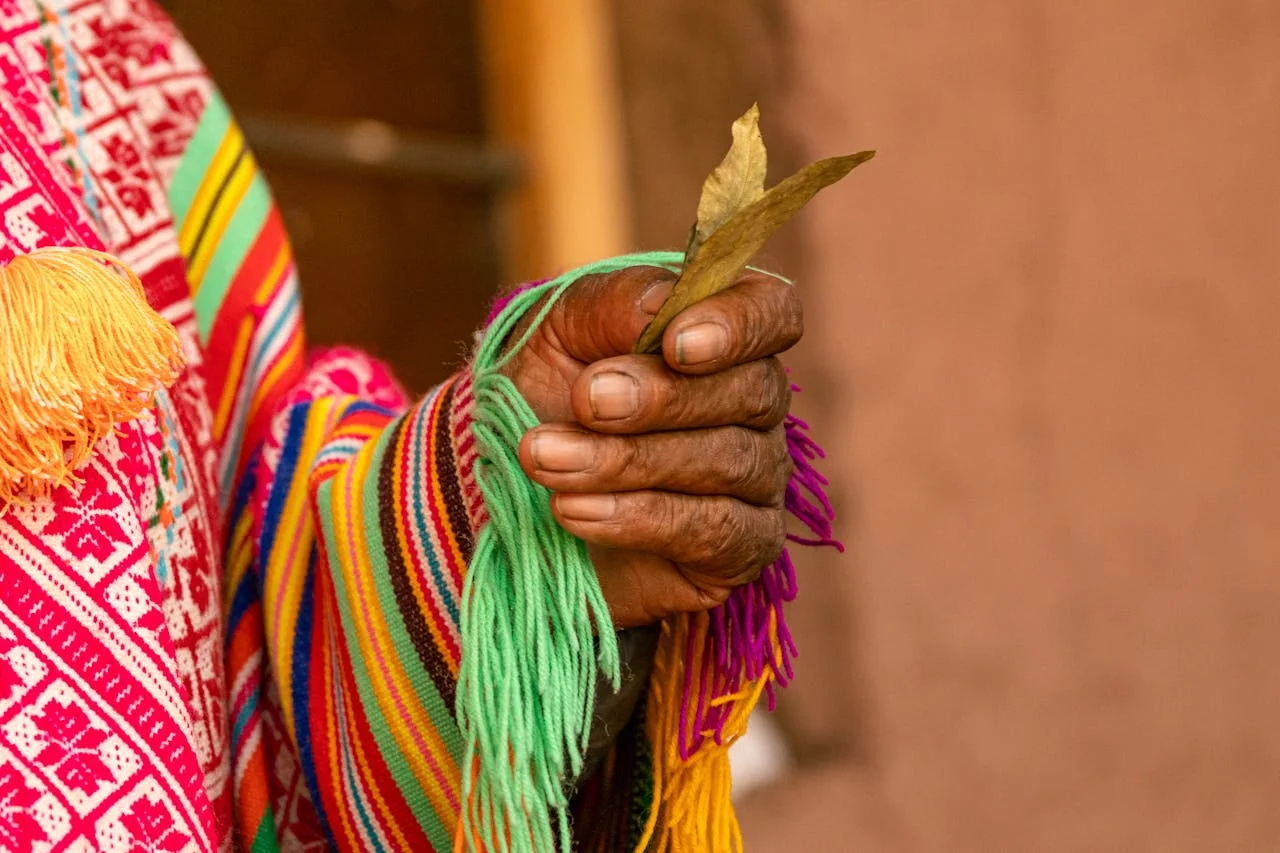
In the Andes, one traditional beverage frequently offered to visitors is coca tea (mate de coca). Coca leaves have been used historically by Andean cultures for various purposes.
While many travelers enjoy coca tea upon arrival, individual experiences vary and scientific consensus on its effectiveness remains limited.
Visitors should also be aware that coca products are legal in Peru but restricted in many other countries.
Tips for Trekking at High Altitude
For travelers planning treks such as the Inca Trail, Salkantay Trek, Huayhuash Trek or Rainbow Mountain hike, preparation can enhance comfort and enjoyment.
Common preparation suggestions include:
- Training with cardio activities such as hiking or cycling
- Traveling light when possible
- Allowing additional acclimatization days before treks
- Hiring professional guides and porters when appropriate
These strategies may help reduce fatigue while allowing travelers to fully appreciate the Andes’ spectacular scenery.
What to Do If Symptoms Appear
If mild symptoms occur during travel, many travelers choose to:
- Rest and avoid strenuous activity
- Drink water and eat light meals
- Allow additional time for acclimatization
If symptoms worsen or become severe, descending to a lower altitude and seeking medical assistance is generally recommended.
Travelers on guided tours should inform their guides immediately so appropriate assistance can be arranged.
Why a Well-Designed Itinerary Makes a Difference
One of the advantages of traveling with experienced specialists is that itinerary design plays a key role in acclimatization.
At Andean Travel Experience, our journeys often include:
- Gradual altitude progression
- Comfortable accommodations
- Private transportation
- Expert local guides
This thoughtful approach allows travelers to focus on the beauty of Peru rather than the challenges of altitude.
Frequently Asked Questions About Altitude in Peru
Can you get altitude sickness at Machu Picchu?
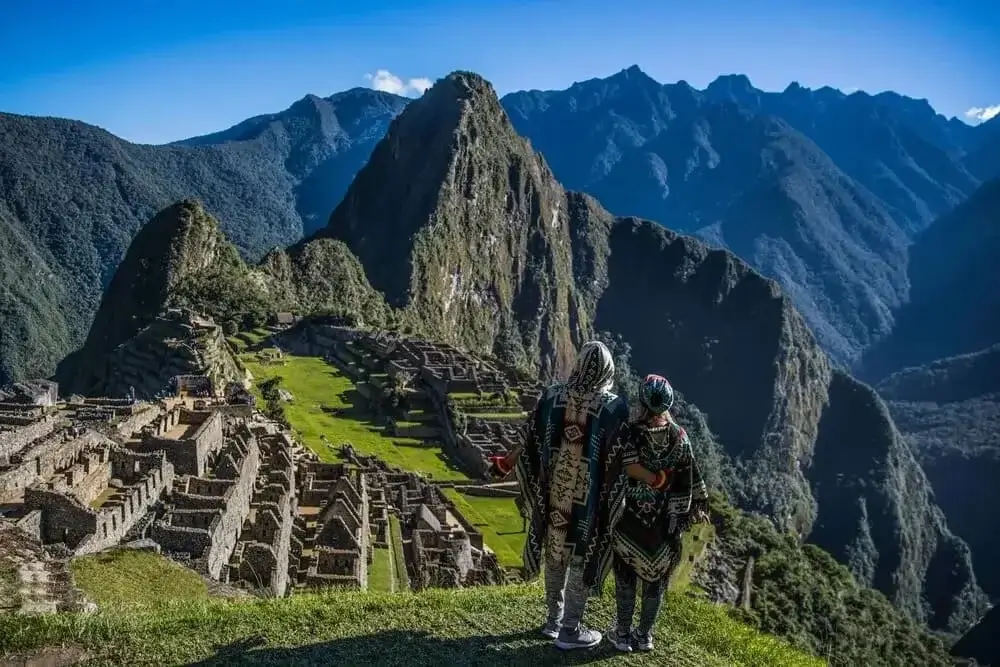
Machu Picchu sits at a lower elevation than Cusco. Many travelers find the altitude there more comfortable after acclimatizing in Cusco or the Sacred Valley.
Is Cusco the highest city travelers visit?
Cusco is high, but destinations such as Lake Titicaca and Rainbow Mountain are even higher.
Does fitness prevent altitude sickness?
Fitness may improve endurance, but altitude affects individuals differently. Even experienced athletes may experience symptoms.
How long does acclimatization take?
Many travelers begin adjusting within 24–48 hours, though experiences vary.
Exploring Peru’s Andes Mountains is an unforgettable experience. From ancient Inca cities to sweeping alpine landscapes, every journey reveals a deeper connection to the history and culture of the region.
With thoughtful preparation and a well-designed itinerary, travelers can comfortably experience the magic of destinations in Peru like Cusco, the Sacred Valley, and Machu Picchu.
At Andean Travel Experience, our travel specialists design tailor-made journeys that balance adventure, comfort, and acclimatization so you can enjoy Peru’s highlands with confidence.