
There is a different side of Peru waiting beyond the destinations most travelers already know.
Before the Incas built their extraordinary empire in the Andes, powerful civilizations had already transformed Northern Peru. The Moche, Lambayeque, Chimú and Chachapoya cultures developed monumental architecture, sophisticated agricultural systems, distinctive art and complex societies across landscapes ranging from Pacific deserts to cloud forests.
Today, their legacy can still be experienced.
From the monumental adobe architecture of Chan Chan to the mountain citadel of Kuélap, from the waterfalls of Amazonas to the seafood traditions of the northern coast, Northern Peru offers a remarkably diverse journey for travelers looking for history, nature, gastronomy and authentic cultural experiences.
And for those who have already dreamed of Machu Picchu, there is an even more interesting possibility: combining the ancient kingdoms of the North with the iconic landscapes of Southern Peru.
The most memorable journeys are not always the ones that take you farther. Sometimes, they simply take you deeper.
Why Visit Northern Peru?
Northern Peru is one of the country's most fascinating regions for travelers who want to move beyond the traditional Lima–Cusco–Machu Picchu route.
Its appeal comes from contrast.
You can encounter ancient cities built from adobe, archaeological treasures connected to legendary rulers, dramatic Andean landscapes, cloud forests, Pacific beaches and a culinary tradition deeply connected to the sea and fertile northern valleys.
The region is particularly compelling for travelers interested in:
- Pre-Inca civilizations and archaeology
- Authentic Peruvian gastronomy
- Nature and cloud forests
- Boutique and personalized travel
- Cultural immersion
- Photography
- Hiking and adventure
- Less conventional Peru itineraries
- Combining Northern Peru with Cusco and Machu Picchu
The archaeological heritage is especially remarkable. UNESCO recognizes Chan Chan as a World Heritage Site, while the Chachapoyas sites of the Utcubamba Valley including Kuélap are currently on Peru's Tentative List for World Heritage consideration.
If this sounds like your kind of Peru, explore our private Peru journeys designed around your interests and preferred pace.
1. Kuélap: Discover the Chachapoya World Above the Clouds
Few archaeological experiences in Peru feel quite like approaching Kuélap.
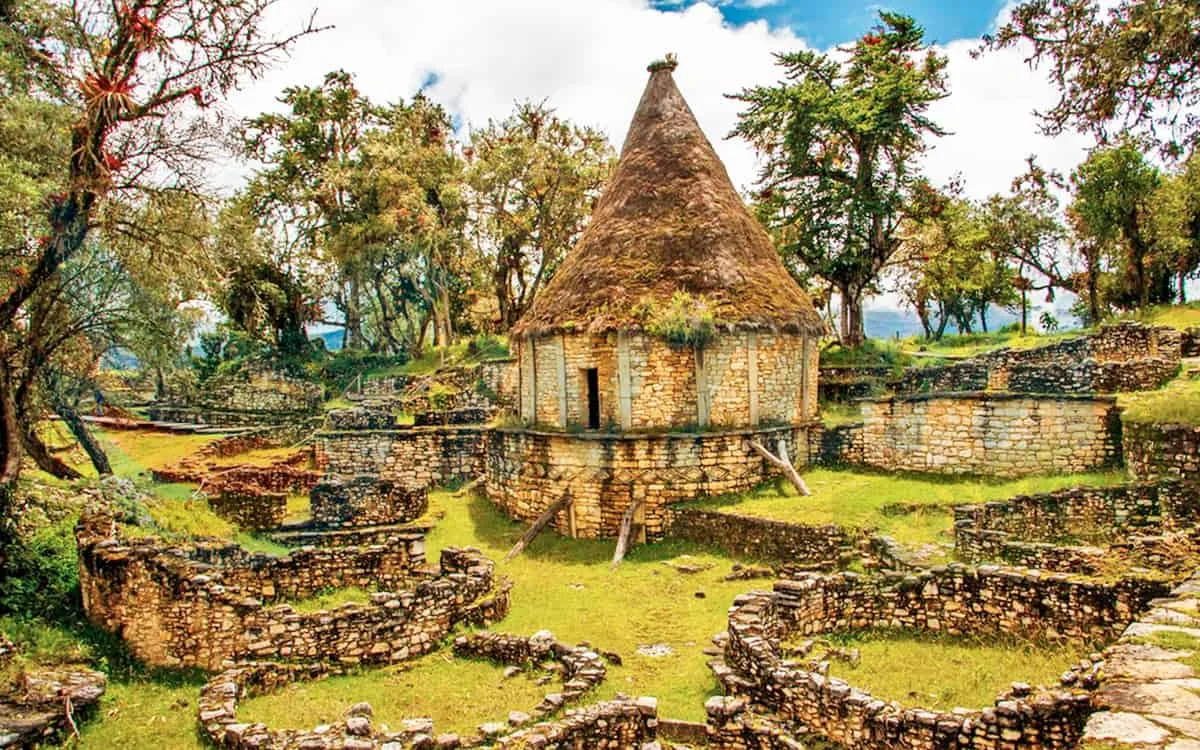
Set high in the Amazonas region, the monumental complex belongs to the Chachapoya cultural tradition, which developed in the northeastern Andes between approximately the sixth and sixteenth centuries AD.
The Chachapoya sites of the Utcubamba Valley extend across a remarkable cultural landscape of settlements, ceremonial architecture and funerary structures. UNESCO's Tentative List includes Kuélap alongside sites such as Revash, Karajía, Yalape, Macro and Ollape.
An Archaeological Experience Surrounded by Nature
Kuélap is not simply an isolated monument.
Its location within the Utcubamba Valley connects archaeology with a landscape of mountains, humid forests, cliffs and changing ecosystems.
This makes Chachapoyas particularly rewarding for travelers who enjoy combining cultural discovery with outdoor experiences.
Instead of spending an entire day moving from one museum to another, you can create a journey where archaeological exploration becomes part of a much larger story about landscape, belief and human adaptation.
Looking for a deeper archaeological experience? Ask our Travel Designers about combining Kuélap with other Chachapoya sites and the landscapes of Amazonas.
2. Gocta Waterfall: Into the Cloud Forests of Amazonas
The journey through Northern Peru changes dramatically as you move toward Amazonas.
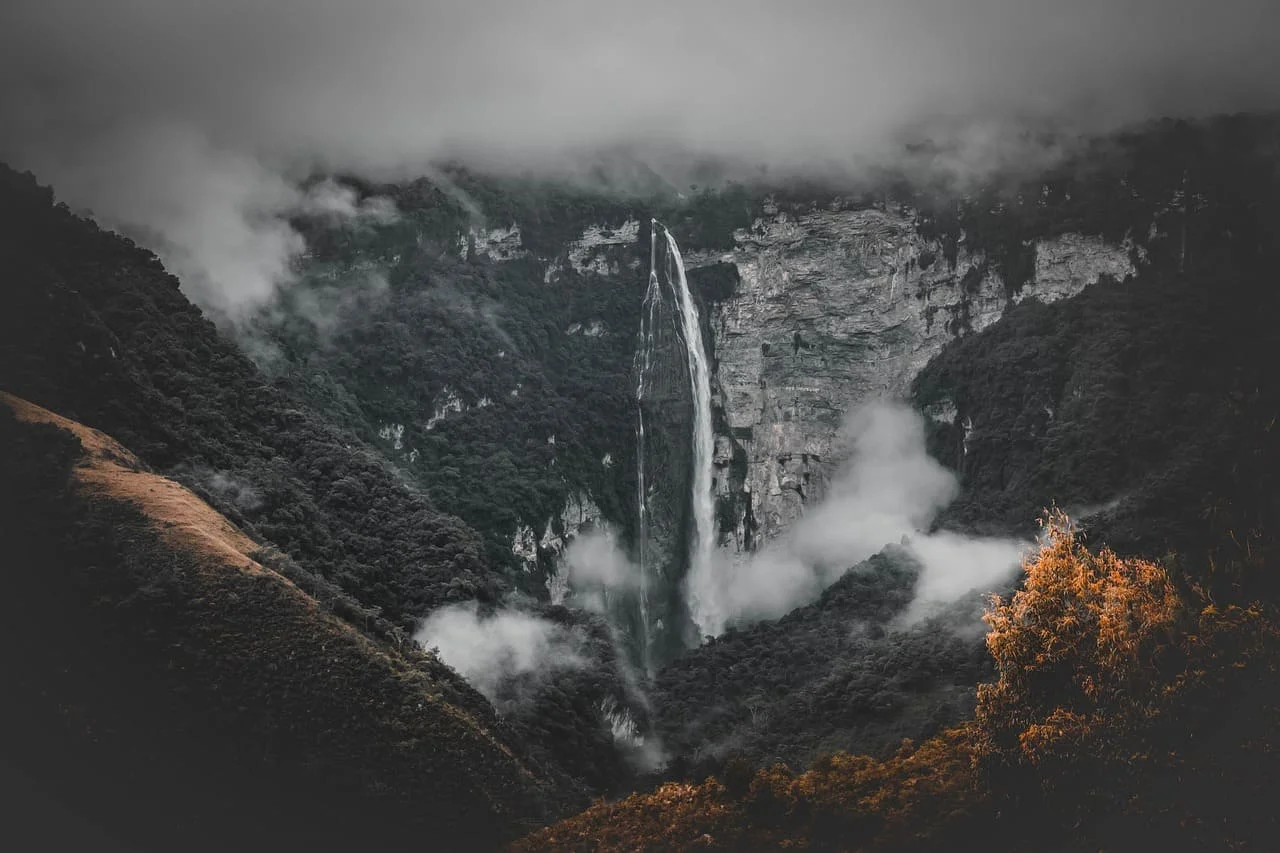
The dry landscapes of the Pacific coast give way to greener mountain environments and cloud forests, creating one of the most striking geographical contrasts in Peru.
Gocta Waterfall is one of the region's best-known natural attractions and can be incorporated into a Chachapoyas itinerary alongside archaeological and cultural experiences.
More Than a Waterfall
For an experiential traveler, Gocta works best when it is not treated as a quick photo stop.
A thoughtfully designed visit can combine hiking, landscapes, local communities and time to appreciate the extraordinary transition between Andean and Amazonian environments.
This slower approach is particularly well suited to private travel.
There is no need to turn every day into a race between attractions.
3. Chan Chan: Enter the World of the Chimú
On the northern coast, the scenery changes once again.
The mountains give way to desert, fertile valleys and the Pacific Ocean.
Near Trujillo stands Chan Chan, the monumental capital of the ancient Chimú Kingdom.
UNESCO describes Chan Chan as the largest pre-Columbian city built in earthen architecture, with a sophisticated urban plan organized around nine major citadels or palace compounds. The Chimú Kingdom reached its height in the fifteenth century, shortly before the Incas conquered the region.
A City Built From Earth
Chan Chan's architecture reveals an advanced society that adapted to an arid environment.
Its monumental compounds incorporated ceremonial spaces, residences, storage areas and systems connected to agriculture and water management. Decorative friezes incorporated geometric and natural motifs, including marine imagery that reflects the importance of the surrounding environment.
This is one of the reasons Northern Peru deserves more attention from culturally curious travelers.
The archaeological story here is not an extension of the Inca story.
It is its own story.
4. Túcume and the Legacy of Lambayeque
The archaeological journey continues around Lambayeque.
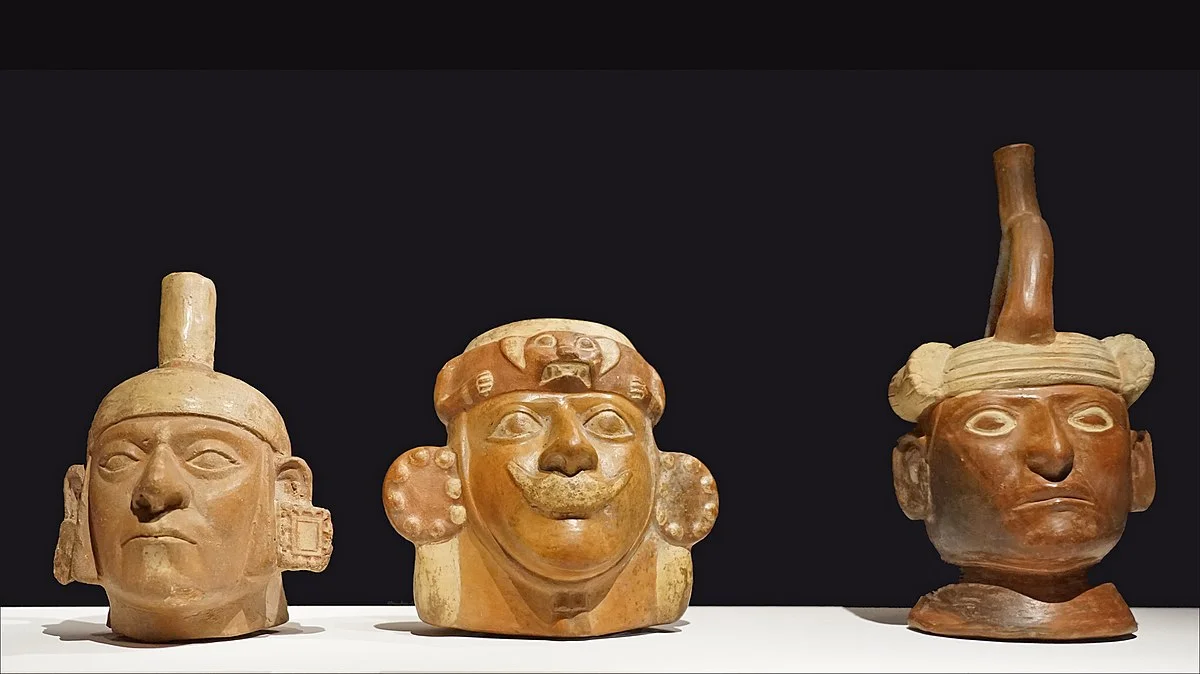
Túcume is an extraordinary complex of monumental pyramidal structures associated with the region's pre-Hispanic cultures.
Nearby, the wider Lambayeque landscape provides opportunities to explore museums, archaeological sites and the cultural heritage of one of Northern Peru's most important regions.
For travelers fascinated by ancient civilizations, this area creates an opportunity to go beyond famous individual monuments and understand how communities developed around valleys, agriculture, water and trade.
The Northern Coast as an Archaeological Landscape
One of the greatest strengths of Northern Peru is that its archaeology is geographically connected.
Instead of experiencing one isolated site, travelers can follow a broader historical route through several civilizations.
That makes the North especially appealing for travelers who have already visited Machu Picchu and want to understand the deeper chronology of Peruvian history.
5. Northern Peru's Gastronomy: A Culinary Journey of Its Own
If archaeology is one reason to travel north, food is another.
Northern Peruvian cuisine is strongly influenced by the Pacific Ocean, fertile valleys and regional agricultural traditions.
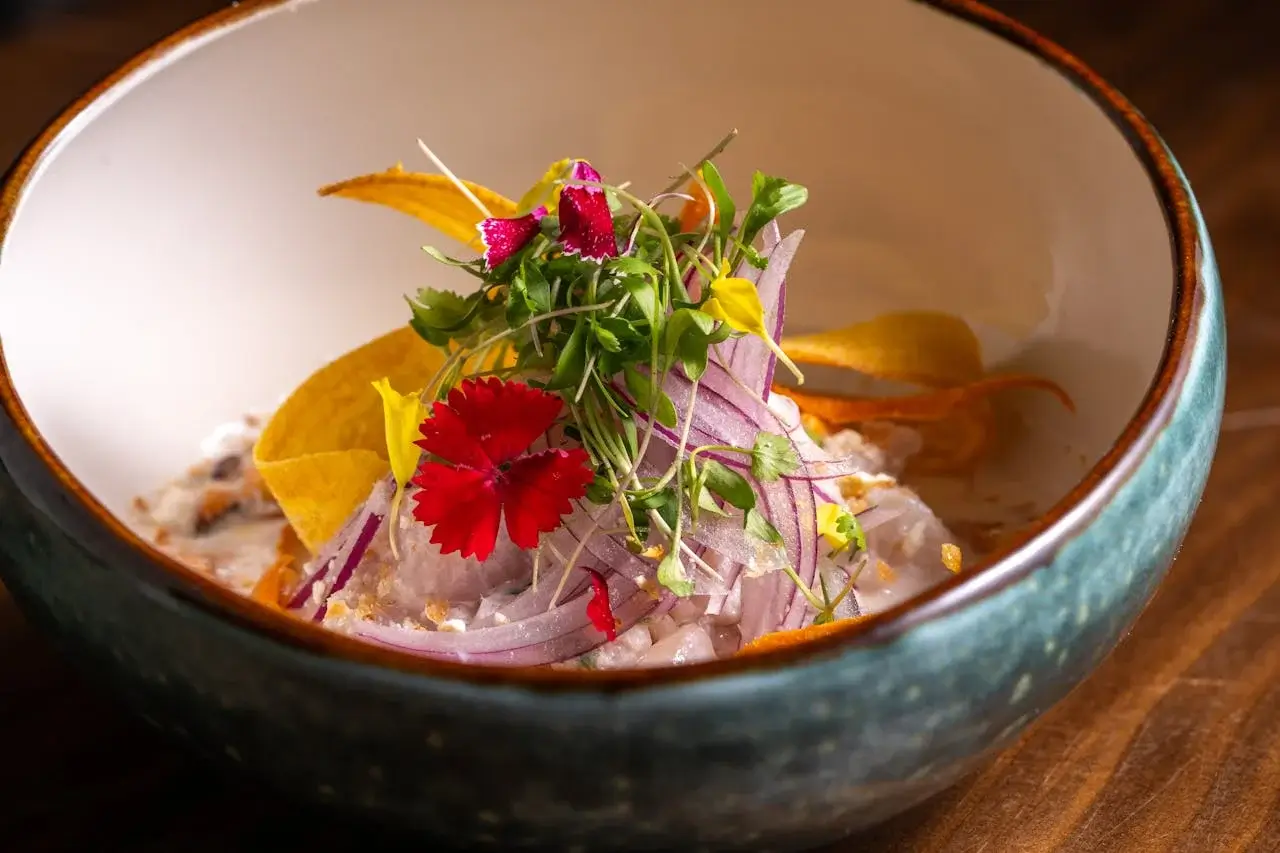
Peru's official tourism platform highlights ceviches, sudado de pescado, chinguirito, seco de cabrito, seco de chabelo, arroz con pato, sopa teóloga and shámbar among the region's characteristic dishes.
Ceviche and the Pacific
The northern coast offers an extraordinary variety of seafood.
Ceviche can be prepared with fish, seafood or black shellfish, traditionally accompanied by ingredients such as onion, sweet potato and corn. Chinguirito offers another expression of northern seafood culture, using salted and dried guitarfish.
For a food-focused traveler, these dishes are not simply meals.
They are a way of understanding the relationship between people and the Pacific.
Seco de Cabrito and Northern Comfort Food
Northern gastronomy also moves inland.
Goat farming is part of the culinary identity of the region, and seco de cabrito is one of its best-known traditional dishes. Other regional classics include seco de chabelo and arroz con pato.
This is the kind of cuisine that rewards curiosity.
It is regional, deeply rooted, and often best understood through the stories behind the ingredients.
Beyond Restaurants
Some of Northern Peru's culinary traditions are associated with chicherías and local establishments where food is prepared using traditional methods, including wood-fired cooking and clay pots.
For an ATE private itinerary, gastronomy can therefore be incorporated as part of the cultural experience rather than treated as a separate activity.
Tell us what you love to eat, and we can shape your Peru journey around the country's regional culinary traditions.
6. The Northern Peru Food Trail: What Should You Try?
For travelers planning a culinary journey, these are some of the flavors worth seeking out:
| Dish or ingredient | What makes it distinctive |
|---|---|
| Ceviche | Fresh seafood prepared with citrus, chili and traditional accompaniments |
| Chinguirito | A northern ceviche-style preparation using salted and dried guitarfish |
| Seco de cabrito | A traditional goat stew associated with northern cuisine |
| Arroz con pato | Rice and duck flavored with regional ingredients |
| Seco de chabelo | Beef combined with roasted plantain |
| Shámbar | Hearty soup associated particularly with northern coastal traditions |
| Sopa teóloga | Traditional soup prepared with turkey |
| King Kong | Large northern alfajor filled traditionally with fruit preserves and manjar blanco |
These dishes are documented by Peru's official tourism authority as part of the culinary traditions of the northern coast.
The real pleasure, however, comes from discovering them in context.
A private Peru journey can be designed around gastronomy as much as geography.
7. Northern Peru's Extraordinary Landscapes
Northern Peru is not only about archaeological sites.
Its geography changes dramatically across the region.
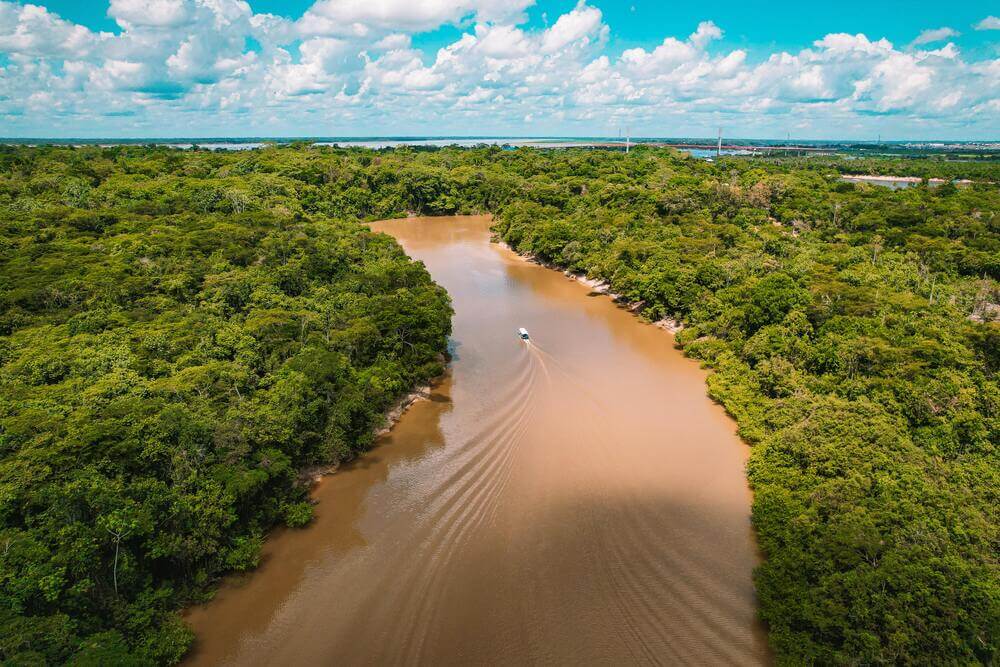
From Desert to Cloud Forest
A Northern Peru journey can connect:
Pacific coast → agricultural valleys → Andean mountains → cloud forests → Amazonian landscapes.
This geographic diversity creates opportunities for hiking, photography, wildlife observation and cultural exploration.
Bosque de Pómac
Near Lambayeque, the Bosque de Pómac Historical Sanctuary combines dry forest with archaeological heritage. Peru's official birdwatching resources describe the protected area as covering more than 5,800 hectares and containing numerous adobe mounds and pyramids associated with the Sicán/Lambayeque cultural tradition.
It is an excellent example of how nature and archaeology can coexist within a single itinerary.
8. Why Northern Peru Is Ideal for Private Travel
Northern Peru is particularly rewarding when the itinerary is designed around the traveler rather than around a fixed group schedule.
Distances, transportation connections, archaeological sites and changing landscapes require thoughtful planning.
A private journey allows you to decide where to spend more time.
Your Journey Can Be Designed Around:
- Your preferred travel pace
- Archaeology and history
- Gastronomy
- Photography
- Nature and hiking
- Boutique accommodations
- Private guides
- Family travel
- Couples and special occasions
- Combining North and South Peru
The goal is not to make the journey more complicated.
It is to make it seamless.
9. How to Combine Northern Peru with Machu Picchu
One of the most compelling ways to experience Peru is to connect its northern and southern cultural landscapes.
The North reveals civilizations that flourished before the Inca expansion.
The South introduces the traveler to the extraordinary world of Cusco, the Sacred Valley and Machu Picchu.
Together, they create a much broader understanding of Peru.
The Grand Peruvian Contrast
| Region | Experience |
|---|---|
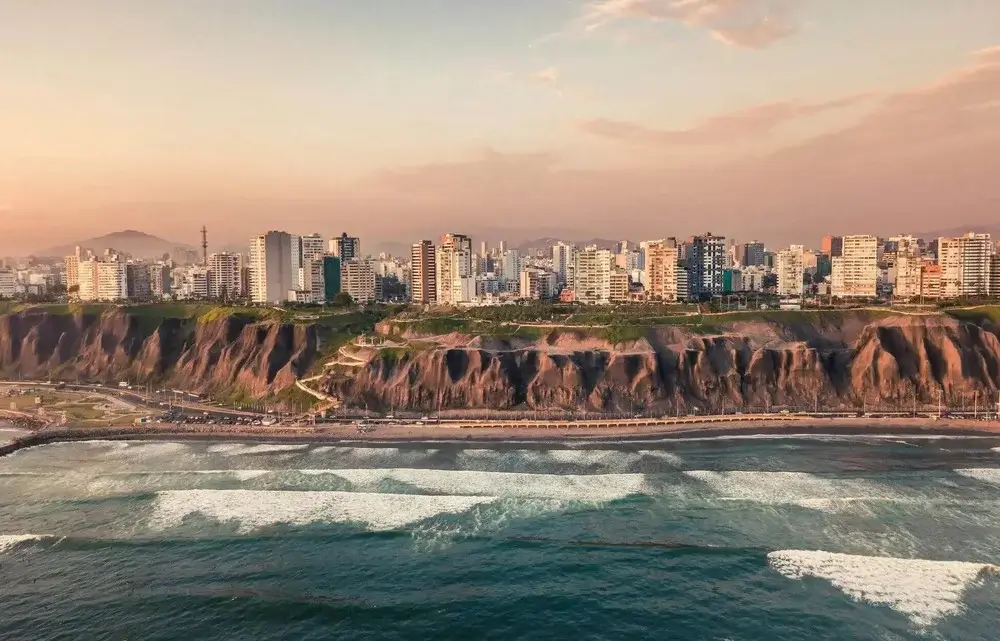
| Lima | Contemporary gastronomy and culture |
| Trujillo | Moche and Chimú heritage |
| Chiclayo | Lambayeque archaeology and northern cuisine |
| Chachapoyas | Chachapoya heritage and cloud forests |
| Arequipa | Colonial architecture, volcanoes and regional cuisine |
| Colca | Dramatic Andean landscapes and condors |
| Sacred Valley | Inca heritage and living Andean culture |
| Cusco | Historic capital of the Inca world |
| Machu Picchu | Peru's iconic archaeological sanctuary |
This is not about seeing everything.
It is about creating a coherent story.
10. A Sample 15-Day Northern Peru and Southern Peru Itinerary
For travelers with approximately two weeks, the following framework can provide an excellent starting point.
Days 1–2: Lima
Arrive in Peru and begin with the country's contemporary culinary and cultural scene.
Days 3–4: Trujillo
Explore the archaeological heritage of the Moche and Chimú civilizations, including Chan Chan.
Days 5–6: Chiclayo & Lambayeque
Discover Túcume, regional museums and Northern Peru's culinary traditions.
Days 7–9: Chachapoyas
Explore Kuélap, Gocta and the landscapes of Amazonas.
Days 10–11: Arequipa
Experience the White City and its distinctive architectural and culinary heritage.
Day 12: Colca Canyon
Travel through dramatic Andean scenery and experience the Colca landscape.
Days 13–15: Cusco & Machu Picchu
Finish among the archaeological and cultural landmarks of the Inca heartland.
Important: The ideal sequence depends on current flight schedules, site access, operating conditions, preferred pace and traveler priorities. A private itinerary should always be adjusted accordingly.
Have 10, 15 or 20 days in Peru? We can create different North South combinations around your available time.
11. When Is the Best Time to Visit Northern Peru?
There is no single answer because Northern Peru encompasses several distinct geographical and climatic zones.
The Pacific coast, Andes and cloud forests can experience very different conditions.
For that reason, the best time depends on where you want to go and what you want to do.
Before traveling, it is also important to verify current site conditions and transportation arrangements, particularly for archaeological destinations and mountain areas.
Planning for a specific month? Our Travel Designers can help you match your itinerary to the season and your preferred experiences.
12. Is Northern Peru Suitable for Luxury Travelers?
Absolutely but luxury in Northern Peru should not simply mean adding a more expensive hotel.
For a sophisticated traveler, the real value is often found in access, expertise, flexibility and authenticity.
A well-designed private journey can prioritize:
- Private transportation
- Expert local guides
- Carefully selected accommodations
- Flexible daily schedules
- Personalized culinary experiences
- Cultural interpretation
- Smaller-scale encounters
- Seamless connections between destinations
- Local expertise throughout the journey
The result is a different definition of luxury.
More space. More time. More context. Less friction.
Discover how a tailor-made private journey can transform Northern Peru from a destination into a personal experience.
13. Sustainable Travel in Northern Peru
Traveling responsibly becomes particularly important in destinations where archaeological heritage and fragile ecosystems intersect.
Chan Chan, for example, faces conservation challenges associated with its earthen architecture and environmental conditions, including the impacts of climate-related phenomena. UNESCO continues to monitor the site's conservation.
The Chachapoyas cultural landscape also demonstrates why heritage protection and local communities matter.
Responsible travel can contribute by supporting local guides, accommodation providers, artisans, restaurants and community-based initiatives while encouraging visitors to treat archaeological and natural sites with respect.
At ATE, sustainability is not simply a statement added to an itinerary.
It is part of how we think about the relationship between travel, local communities and the destinations we are privileged to share.
Ask us how we can incorporate responsible experiences and local initiatives into your private Peru journey.
14. Why Travel Northern Peru With a Local Travel Designer?
The difference between visiting Northern Peru and experiencing Northern Peru often comes down to the details.
Which archaeological sites deserve more time?
How should the itinerary flow geographically?
Where can you experience regional cuisine authentically?
How should Northern Peru connect with Cusco or Arequipa?
Which experiences match your interests?
And how can everything work together without making the trip feel rushed?
A local Travel Designer can turn these questions into a coherent journey.
At Andean Travel Experience, our approach is based on private, tailor-made travel through Peru.
We don't believe that the best itinerary is the one with the most destinations.
We believe it is the one that feels as though it was designed specifically for you.
Start with a conversation. Tell us what you want to discover the highlights in Peru, and we'll help shape the journey.
Northern Peru Is Not an Alternative to Machu Picchu
It is a different chapter of the same story.
The deserts of the northern coast.
The monumental architecture of the Chimú.
The legacy of the Moche.
The pyramids of Lambayeque.
The mountains of Chachapoyas.
The cloud forests surrounding Gocta.
The flavors of the northern coast.
And eventually, the Andes of Arequipa, the Sacred Valley and the extraordinary world of the Incas.
This is the Peru that rewards travelers who want to look beyond the obvious.
For those who have already traveled widely, Northern Peru offers something increasingly valuable: the opportunity to discover without simply repeating what everyone else has seen.
Ready to Discover a Different Peru?
Peru is not one destination. It is a tapestry of civilizations, landscapes, flavors and living cultures.
Your journey could begin with the ancient kingdoms of Northern Peru and continue south toward Arequipa, Colca, the Sacred Valley, Cusco and Machu Picchu or take an entirely different direction based on what inspires you.
At Andean Travel Experience, we create private, tailor-made journeys for travelers who want to experience Peru with depth, comfort and authenticity.
Tell us what you want to discover. We'll design the Peru that fits you.