
High in the Andes, where snow-capped peaks meet ancient stone paths, the Quechua people continue a way of life shaped by centuries of history, resilience, and harmony with nature. Far from being relics of the past, the Quechua represent one of South America’s most vibrant living cultures guardians of traditions that trace their roots to the Inca civilization while adapting thoughtfully to the modern world.
For travelers seeking meaningful, immersive experiences in Peru, understanding Quechua culture transforms a journey into something deeper. At Andean Travel Experience, we believe luxury is not only about comfort it is about connection, authenticity, and respectful engagement with the people who shape the landscapes you explore.
This guide invites you to discover who the Quechua people are today, how their traditions endure, and how responsible travel can play a role in preserving this extraordinary cultural legacy.
Who Are the Quechua People?
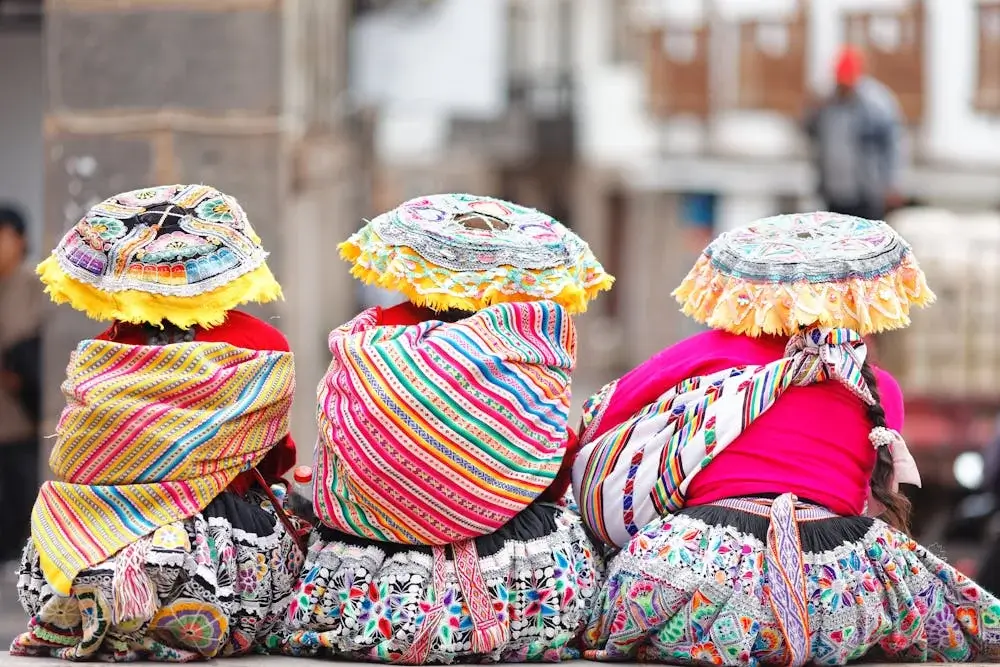
The Quechua people are Indigenous communities whose cultural roots are closely linked to the Inca civilization that once governed vast areas of the Andes. Today, Quechua-speaking populations live primarily in the highlands of Peru, Bolivia, and Ecuador, maintaining ancestral ties to the land.
Rather than existing as a single group, the Quechua encompass diverse communities, each with distinct customs, textiles, and local traditions shaped by geography and history. What unites them is a shared worldview grounded in reciprocity, respect for nature, and collective responsibility.
“To understand the Andes, one must first understand the people who have lived in dialogue with these mountains for generations.”
The Quechua Worldview: Living in Balance with Nature
At the heart of Quechua culture lies a philosophy of balance. Nature is not seen as something to dominate, but as a living system deserving respect. Mountains often referred to as Apus are considered sacred guardians, while Pachamama (Mother Earth) represents fertility, life, and sustenance.
This worldview influences everything from farming cycles to community rituals. Offerings to the earth, seasonal ceremonies, and agricultural practices all reflect an understanding of coexistence rather than exploitation.
Language as Cultural Identity: The Role of Quechua Today
Quechua is one of the most widely spoken Indigenous languages in the Americas and remains a vital part of cultural transmission. Through oral storytelling, songs, and daily conversation, knowledge and values are passed from one generation to the next.
While many Quechua people are bilingual, efforts to preserve and revitalize the language are essential to maintaining cultural continuity. Language, in this context, is not simply communication it is memory, identity, and worldview.
Traditional Andean Practices Still Alive
Agriculture Adapted to the Andes
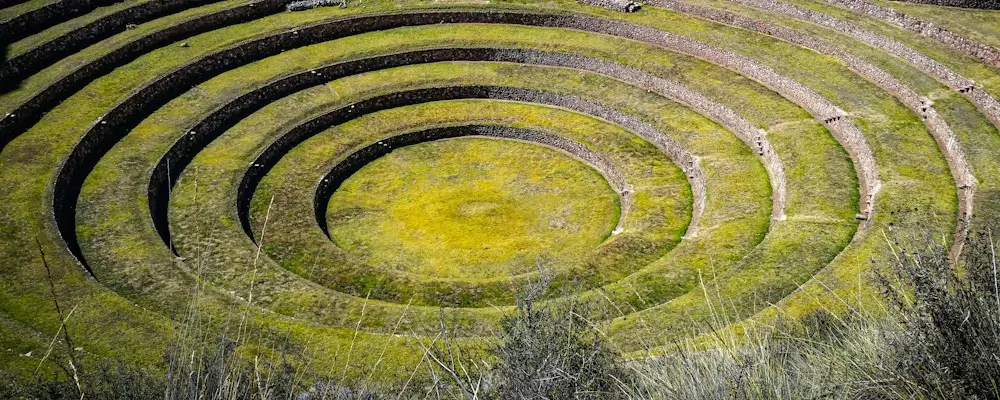
Quechua communities continue to cultivate native crops such as potatoes, quinoa, and maize using techniques suited to high-altitude environments. These practices reflect generations of ecological knowledge rather than modern industrial methods.
Weaving and Handicrafts
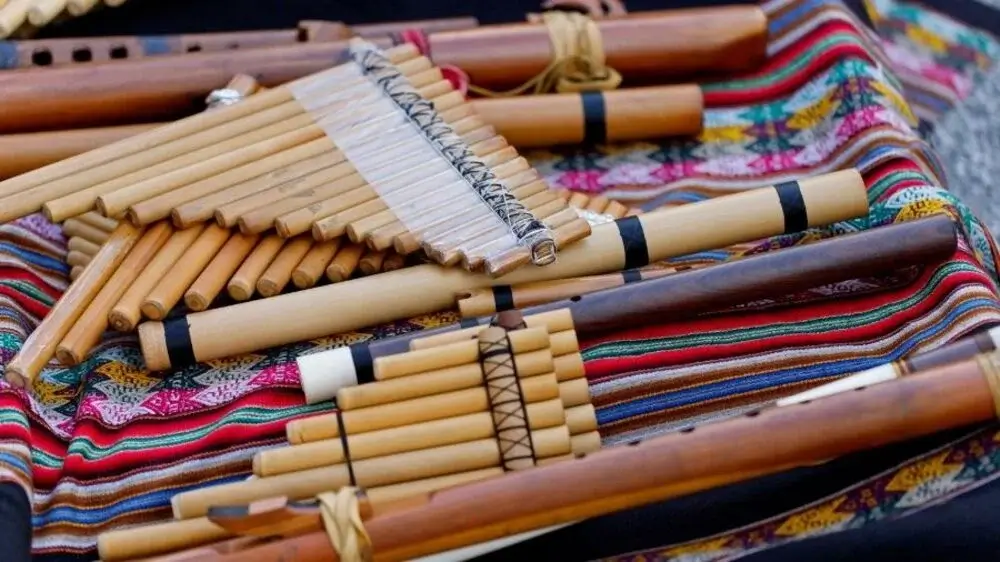
Textiles are among the most visible expressions of Quechua culture. Patterns, colors, and symbols often carry meanings connected to local history, landscapes, and social identity.
Key characteristics of Quechua textiles include:
- Natural fibers such as alpaca and sheep wool
- Hand-dyed colors derived from plants and minerals
- Designs that vary by region and community
Festivals, Rituals, and Spiritual Life
Seasonal festivals remain central to Quechua cultural life. Celebrations connected to agricultural cycles, solstices, and communal milestones reinforce social bonds and shared identity.
One of the most widely known ceremonies is Inti Raymi, a celebration honoring the sun and the Andean relationship with time, seasons, and renewal. While modern adaptations exist, these events continue to express enduring spiritual values.
→ Discover Peru's Dynamic Traditions An Overview of Public Holidays
Daily Life in Quechua Communities
Daily life in Quechua villages reflects a balance between tradition and modernity. Farming, herding, and artisan work coexist with contemporary education and regional travel. Community cooperation often referred to as ayni (mutual support) remains a guiding principle.
Rather than individualism, success is often measured by collective well-being, reinforcing strong community ties.
Ethical Tourism and Cultural Preservation
Tourism can offer meaningful opportunities when approached responsibly. When local communities actively participate in tourism, it can support livelihoods while encouraging cultural pride.
At Andean Travel Experience, our journeys are designed to:
- Work with local guides and hosts
- Encourage cultural exchange based on respect
- Prioritize small-group, low-impact experiences
- Luxury travel is most powerful when it creates value for both travelers and host communities.
Traveling with Respect: Experiencing Quechua Culture
For travelers interested in engaging with Quechua culture, meaningful experiences go beyond observation.
Consider experiences such as:
- Guided walks led by local experts
- Visits to traditional weaving communities
- Cultural encounters integrated into trekking routes
Preserving Quechua culture requires collaboration between communities, educators, and responsible travelers. Cultural continuity depends on maintaining language, land stewardship, and intergenerational knowledge transfer.
Sustainable, community-centered tourism can play a supportive role when guided by ethics, respect, and long-term vision.
Key Takeaways
- The Quechua people represent a living cultural heritage, not a historical footnote
- Their worldview emphasizes balance with nature and community cooperation
- Language, agriculture, and textiles remain central to cultural identity
- Responsible travel can support preservation when done thoughtfully
Frequently Asked Questions (FAQs)
Are the Quechua people the same as the Incas?
The Quechua are descendants of communities associated with the Inca civilization, but they represent diverse groups with evolving identities.
Is Quechua still spoken today?
Yes. Quechua remains an important language in many Andean regions and continues to be used in daily life.
Can travelers respectfully engage with Quechua culture?
Yes, when experiences are designed collaboratively with local communities and approached with cultural sensitivity.
Travel Deeper with Andean Travel Experience
When you journey through the Andes with us, you don’t just visit iconic landscapes you engage with the cultures that give them meaning. Let us design a refined, responsible journey that connects you with Peru’s living heritage.