
Machu Picchu, Peru’s most iconic travel destination and one of the New Seven Wonders of the World, may soon become significantly easier to reach. A long-planned airport project near the Sacred Valley is expected to transform access to the ancient Inca citadel potentially increasing visitor numbers by up to 200% in the coming years.
While this news excites travelers eager for faster journeys, it has also raised serious concerns among archaeologists, conservationists, and local communities.
Machu Picchu Today: A Journey Worth the Effort
Currently, reaching Machu Picchu is part of the adventure. Most travelers fly into Lima, connect to Cusco, then continue by train or bus to Aguas Calientes (Machu Picchu Town), followed by a short bus ride or hike to the citadel itself.
For many visitors, this multi-step journey enhances the sense of discovery. However, for others especially travelers with limited time the logistics can be challenging.
Chinchero International Airport: What’s Planned?
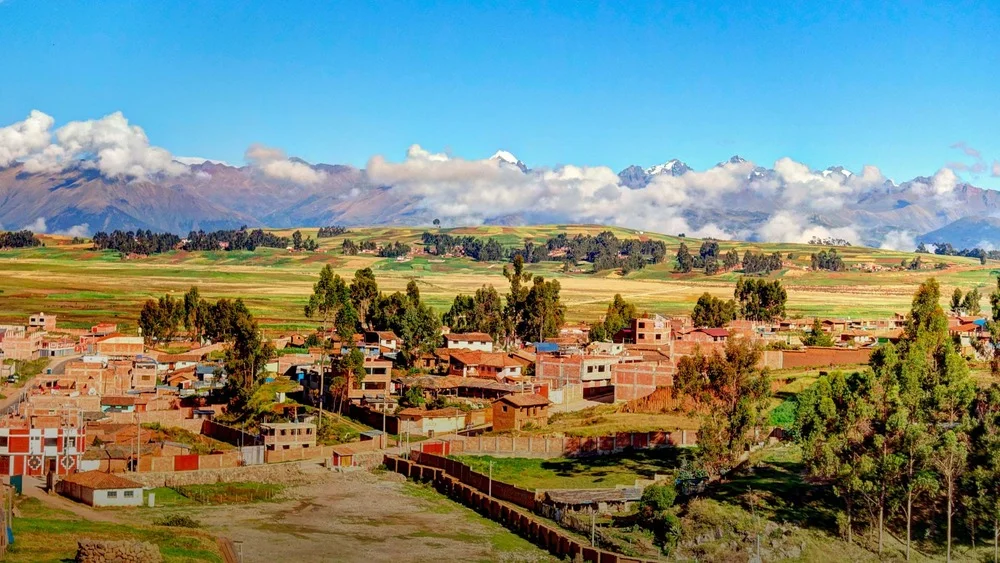
The proposed Chinchero International Airport, located near the historic Andean town of Chinchero in the Sacred Valley, aims to eliminate the need for domestic connections through Lima and Cusco. Authorities have announced that the airport could be completed by late 2027, after decades of delays.
Once operational, the airport is designed to handle up to eight million passengers annually, dramatically reducing travel time to Machu Picchu and surrounding destinations.
Economic Growth vs. Cultural Preservation
Supporters of the project argue that the airport will bring economic benefits to the region, including job creation, improved infrastructure, and expanded tourism services. Increased accessibility could also encourage longer stays and more exploration beyond Machu Picchu.
However, critics warn that such rapid growth could place unsustainable pressure on Peru’s most fragile heritage sites.
Machu Picchu already operates under strict daily visitor limits due to overcrowding concerns. Archaeologists caution that a dramatic surge in arrivals could threaten the structural integrity of the ruins and the surrounding ecosystem.
Risks to the Sacred Valley and Local Communities
Conservationists and Indigenous groups have highlighted potential damage to the Sacred Valley, an area rich with Inca terraces, ancient roads, irrigation systems, and living agricultural traditions.
There are also environmental concerns, including:
Increased air and vehicle traffic over archaeological zones
Loss of farmland near Chinchero
Pressure on water resources, particularly Lake Piuray, which supplies much of Cusco’s drinking water
Insufficient waste management and recycling infrastructure
As Peruvian art historian Natalia Majluf previously noted, the Sacred Valley is not untouched land it is a carefully designed cultural landscape dating back centuries.
What This Means for Travelers
For travelers planning a future trip to Machu Picchu, these developments highlight the importance of responsible and well-planned travel. Sustainable tourism, controlled visitor numbers, and respect for local communities will be more crucial than ever.
Choosing experienced local operators, traveling outside peak seasons, and exploring lesser-known destinations in Peru can help reduce pressure on Machu Picchu while still delivering unforgettable experiences.
Looking Ahead
The Chinchero airport project continues to face scrutiny, and its timeline remains uncertain. Whether it becomes a gateway to opportunity or a threat to heritage will depend on how tourism growth is managed in the coming years.
For now, Machu Picchu remains a destination where history, nature, and careful preservation must go hand in hand.
Discover more about Peru on our blog.