
There is a moment in the Andes when everything becomes silent.
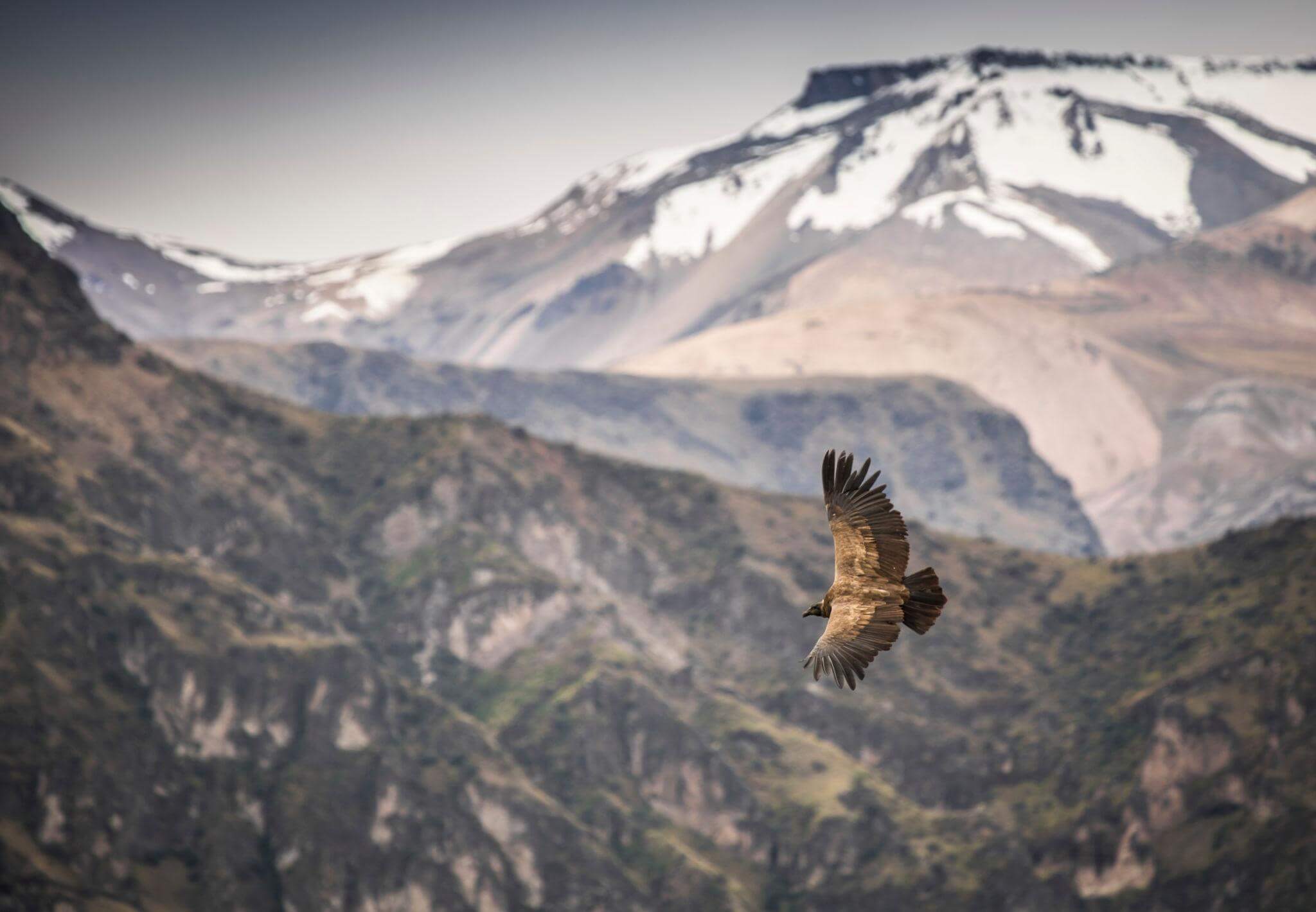
The wind rises above the canyon walls, travelers stop speaking, and suddenly a massive shadow glides across the sky. With wings stretching over three meters wide, the Andean Condor appears effortless, ancient, and sacred.
For centuries, the condor has been one of the most powerful symbols of Andean culture. In Inca belief, it represented the connection between the human world and the heavens. Today, seeing one in the wild remains one of the most unforgettable experiences in Peru.
Luxury travelers are searching for something different: quieter viewpoints, meaningful encounters, ethical tourism, and photography-focused experiences far from crowded bus tours.
This guide explores where and how to see the Andean Condor in Peru with insider recommendations, cultural insight, and private travel experiences designed for travelers seeking authenticity.
Why the Andean Condor Still Captivates Travelers in 2026
The Andean Condor is one of the largest flying birds in the world and a sacred figure across the Andes.
Found soaring above deep canyons and mountain valleys, these birds use thermal air currents to glide for hours without flapping their wings. Watching them rise above the Colca Canyon is not simply sightseeing it is witnessing one of nature’s most extraordinary performances.
Quick Facts About the Andean Condor
| Feature | Information |
|---|---|
| Wingspan | Up to 3.3 meters (10.8 ft) |
| Habitat | Andes Mountains |
| Best Viewing Season | April to November |
| Best Viewing Hours | 8:00 AM – 10:00 AM |
| Symbolism | Messenger between Earth and the gods |
| Main Destinations | Colca Canyon, Chonta, Apurímac Canyon |
According to conservation organizations, habitat loss and poisoning continue to threaten condor populations across South America, making responsible tourism increasingly important.
Travel Tip: Booking a small-group or private wildlife experience helps reduce environmental pressure while improving your chances of meaningful sightings.
Beyond the Crowds: Best Places to See Condors in Peru
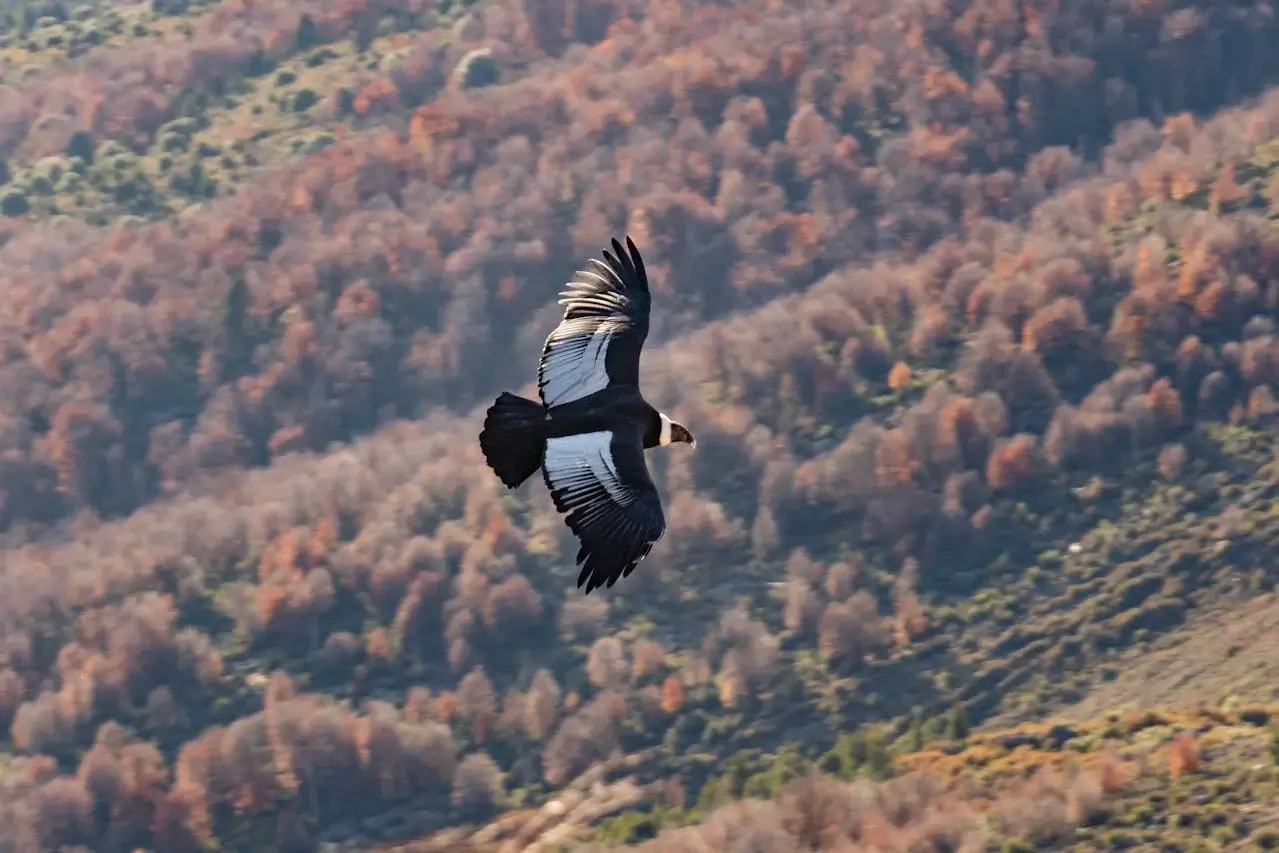
Most travelers only know the famous Cruz del Condor viewpoint in Colca Canyon. While impressive, it can become crowded during peak hours.
1. Cruz del Condor, Colca Canyon
Peru’s Most Famous Condor Viewpoint
Located in the heart of the Colca Canyon near Cabanaconde, Cruz del Condor remains the classic location for seeing Andean Condors soaring dramatically above the canyon.
The key difference is timing.
Private tours that depart earlier than standard buses often provide:
- Better lighting for photography
- Less crowded viewpoints
- More silence and connection with nature
- Increased chances of seeing low-flight gliding
Highlights
- Easy access from Arequipa
- Spectacular canyon landscapes
- Ideal for first-time visitors
- Excellent sunrise photography
“The silence before the condors appeared was just as unforgettable as the birds themselves.”
Looking for a quieter experience? Colca Canyon Trek designed around slow travel and wildlife observation.
2. Chonta, Cusco
The Hidden Condor Sanctuary Near Cusco
For travelers wanting a less touristy experience, Chonta has become one of Peru’s most exciting alternatives.
Located in the Apurímac Canyon near Cusco, Chonta offers dramatic landscapes and fewer visitors compared to Colca Canyon. The hike to the viewpoint adds a sense of adventure while rewarding travelers with panoramic canyon views and condor sightings.
Why Travelers Love Chonta
- Fewer crowds
- Authentic rural landscapes
- Incredible photography opportunities
- Easy combination with Sacred Valley itineraries
Important Information
- Moderate hike required
- Best visited during dry season
- Ideal for private cultural itineraries
Planning a Cusco extension? Combine Chonta with Machu Picchu and Sacred Valley experiences for a deeper Andean journey.
3. Private Viewpoints Near Cabanaconde
Luxury Wildlife Experiences in the Colca Region
One of the newest trends in luxury travel is avoiding crowded public viewpoints altogether.
Some boutique lodges and specialized guides now offer access to quieter observation areas around Cabanaconde and Chivay, where travelers can enjoy:
- Early access viewpoints
- Premium binoculars
- Wildlife photography assistance
- Slower-paced experiences
- Gourmet breakfasts overlooking the canyon
These experiences focus on patience, silence, and observation rather than rushing through sightseeing stops.
What Makes Private Condor Tours Different?
| Standard Tours | Private Experiences |
|---|---|
| Large groups | Personalized guiding |
| Fixed schedules | Flexible timing |
| Quick photo stops | Dedicated photography time |
| Crowded viewpoints | Alternative scenic areas |
| General commentary | Expert wildlife interpretation |
Want a more exclusive wildlife experience? Discover how private Peru journeys create deeper connections with nature and culture.
Wildlife Photography in Peru: How to Photograph the Andean Condor
Wildlife photography tourism continues to grow rapidly in Peru, especially among travelers from the United States and Europe seeking immersive nature experiences.
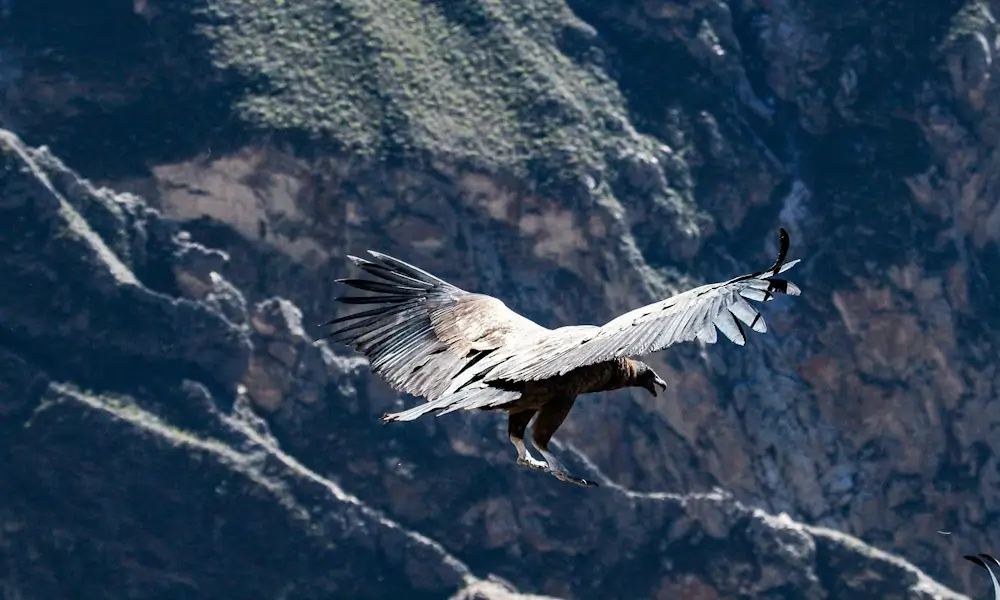
Photographing condors requires patience, timing, and understanding air currents.
Recommended Photography Tips
Best Camera Gear
- Telephoto lens (200–600mm)
- Fast shutter speed
- Extra batteries for high-altitude conditions
- Polarizing filter for canyon light
Best Time for Photos
- Early morning flights
- Late afternoon golden light
- Dry season for clearer skies
Ethical Photography Rules
- Avoid loud noises
- Never use drones near wildlife
- Keep distance from nesting zones
- Respect local conservation regulations
Why Guided Photography Tours Matter
Experienced local guides understand:
- Condor behavior
- Wind conditions
- Seasonal movement patterns
- Best hidden viewpoints
This dramatically improves photography opportunities while protecting wildlife habitats.
“The best wildlife moments happen when travelers slow down and allow nature to unfold naturally.”
Responsible Tourism and Condor Conservation
The future of the Andean Condor depends heavily on conservation efforts and responsible tourism practices.
Travelers today increasingly choose companies that:
- Support local communities
- Promote sustainable tourism
- Respect wildlife habitats
- Educate visitors about conservation
Choosing ethical tours helps preserve the fragile ecosystems of the Andes while creating economic opportunities for rural communities.
Responsible Travel Guidelines
- Stay on designated trails
- Avoid feeding wildlife
- Travel with certified local guides
- Support community-based tourism
- Choose smaller groups whenever possible
Responsible travel is no longer optional in luxury tourism it is expected.
Why the Andean Condor Experience Belongs on Your Peru Itinerary
Some travel experiences are beautiful.
Others stay with you forever.
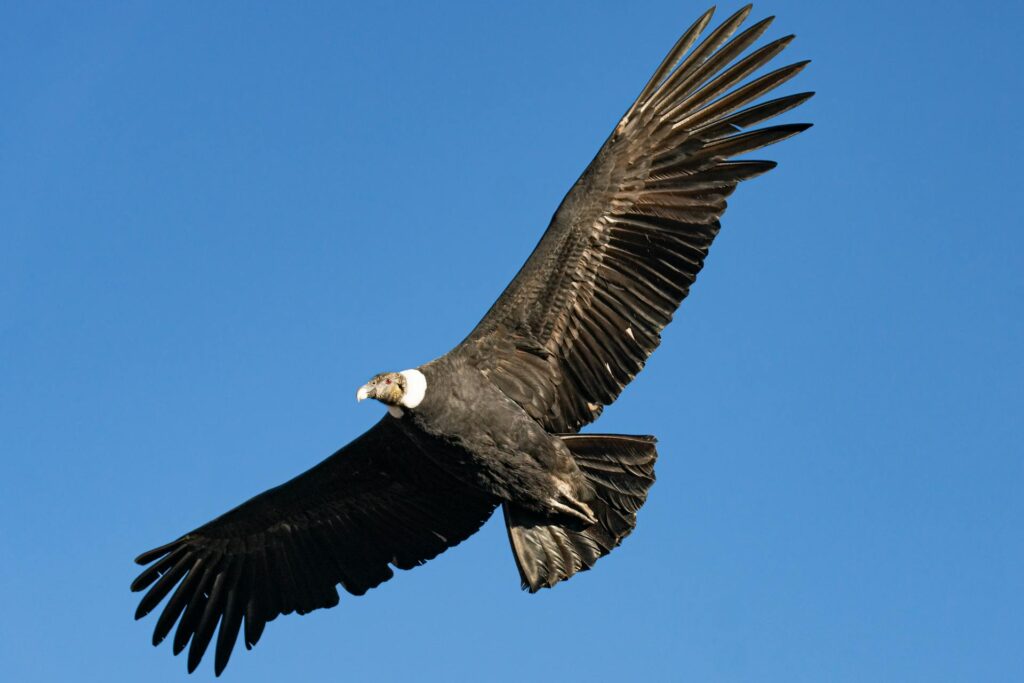
Watching an Andean Condor glide silently above one of the deepest canyons on Earth is not simply a photo opportunity it is a reminder of the scale, mystery, and spiritual power of the Andes.
Travelers are moving beyond rushed itineraries and crowded tours. They are searching for meaningful experiences shaped by nature, culture, and authenticity.
The Andean Condor represents all three.
Whether you explore the Colca Canyon, discover the hidden viewpoints of Chonta, or join a private wildlife photography journey, this is one of Peru’s most unforgettable encounters.
Plan Your Private Condor Experience in Peru
At Andean Travel Experience, we design tailor-made journeys focused on authentic cultural encounters, responsible tourism, and unforgettable landscapes.
Our private condor experiences include:
- Expert local guides
- Early-access wildlife viewing
- Boutique accommodations
- Photography-focused itineraries
- Personalized Peru travel planning
Ready to witness the King of the Andes?
Contact our team today and start planning your private wildlife journey through Peru.