
Planning a journey into the southern Peruvian Amazon requires looking beyond simple temperatures. Nestled near the border of Bolivia and Brazil, Puerto Maldonado is the gateway to two of South America’s most pristine biodiversity hotspots: Tambopata National Reserve and Bahuaja-Sonene National Park.
While the Amazon rainforest is warm and humid year-round, subtle shifts in water levels, rainfall, and animal behaviors dictate what kind of adventure you will experience. Whether you are hunting for clear hiking trails, hoping to photograph hundreds of macaws at clay licks, or seeking a serene boat navigation through flooded forest canopies, this guide breaks down the best time to visit Puerto Maldonado for your specific travel style.
Quick Overview: Dry vs. Wet Season
The Southern Amazon has two main seasons, with short transition periods between them.
| Feature | Dry Season (May – October) | Wet Season (November – April) |
|---|---|---|
| Primary Focus | Hiking, clay licks, reliable boat access | High-water navigation, lush scenery, fewer crowds |
| Avg. Temperature | 24–31°C (75–88°F) | 26–32°C (79–90°F) |
| Rainfall | Low to moderate (~40–80 mm/month) | High (~250–300 mm/month) |
| Trail Conditions | Firm, dry, and easy to hike | Muddy; rubber boots essential |
| Mosquito Activity | Moderate to low | High |
| Wildlife Highlights | Caimans, river otters, monkeys along riverbanks | Macaws at clay licks, fruiting-season wildlife |
The Seasons in Detail
1. Dry Season (May–October): Peak Season for Exploration
For most first-time visitors, the dry season delivers the most comfortable and predictable conditions.
Key advantages
- Firm hiking trails — Receding water dries the forest floor, making multi-mile treks to oxbow lakes such as Lago Sandoval much easier.
- Concentrated river wildlife — Dropping water levels expose beaches along the Tambopata and Madre de Dios rivers. Capybaras, caimans, and side-necked turtles gather to bask.
- Clearer skies & stargazing — Lower humidity and fewer clouds create excellent nighttime views of the Milky Way over the rivers.
The “Friaje” phenomenonBetween May and August, polar air from Antarctica occasionally reaches the southern Peruvian Amazon. These cold fronts (locally called friaje) can drop temperatures to 10–12°C (50–53°F) for 2–4 days. Pack a fleece and light windbreaker even in the dry season.
2. Wet Season (November–April): The Vibrant High-Water Season
Don’t let the term “rainy season” put you off. Rain in the Amazon usually means dramatic afternoon downpours followed by clear skies not continuous gray days.
Key advantages
- Macaw clay-lick peak (November–January) — This period coincides with the main breeding season. Macaws and parrots need extra sodium while raising chicks, so visits to Chuncho or Colorado clay licks are often spectacular.
- High-water boat access — Elevated rivers let canoes penetrate flooded creeks that are impassable in the dry season, reducing long muddy walks.
- Fruiting season — From December to March, trees produce abundant fruit that draws howler monkeys, toucans, and peccaries into the canopy.
Month-by-Month Wildlife & Activity Calendar
January–February: Lush PeakHigh water creates flooded-forest landscapes. Excellent for birdwatching and spotting monkeys in fruiting trees. Ideal for low-crowd travel and misty jungle photography.
March–April: Shoulder TransitionRains ease while water levels stay high. Good balance of boat access and improving trails. Strong period for night walks targeting amphibians and insects.
May–June: Early Dry SeasonPleasant temperatures and falling humidity. Trails open fully; giant river otter sightings peak on oxbow lakes. Possible friaje cold fronts.
July–August: High-Season PeakDriest months with the most reliable sunshine. Best visibility for riverbank wildlife (caimans, capybaras, tapirs). Book lodges well in advance.
September–October: Transition & Clay LicksWarmest temperatures of the year. Macaw activity at clay licks ramps up sharply as breeding season begins. Outstanding conditions for photography before the heavy rains return.
November–December: Early Wet SeasonWarm showers refresh the forest. Macaw numbers at clay licks reach their annual peak. The jungle turns intensely green and vibrant.
When to Visit Based on Your Priorities
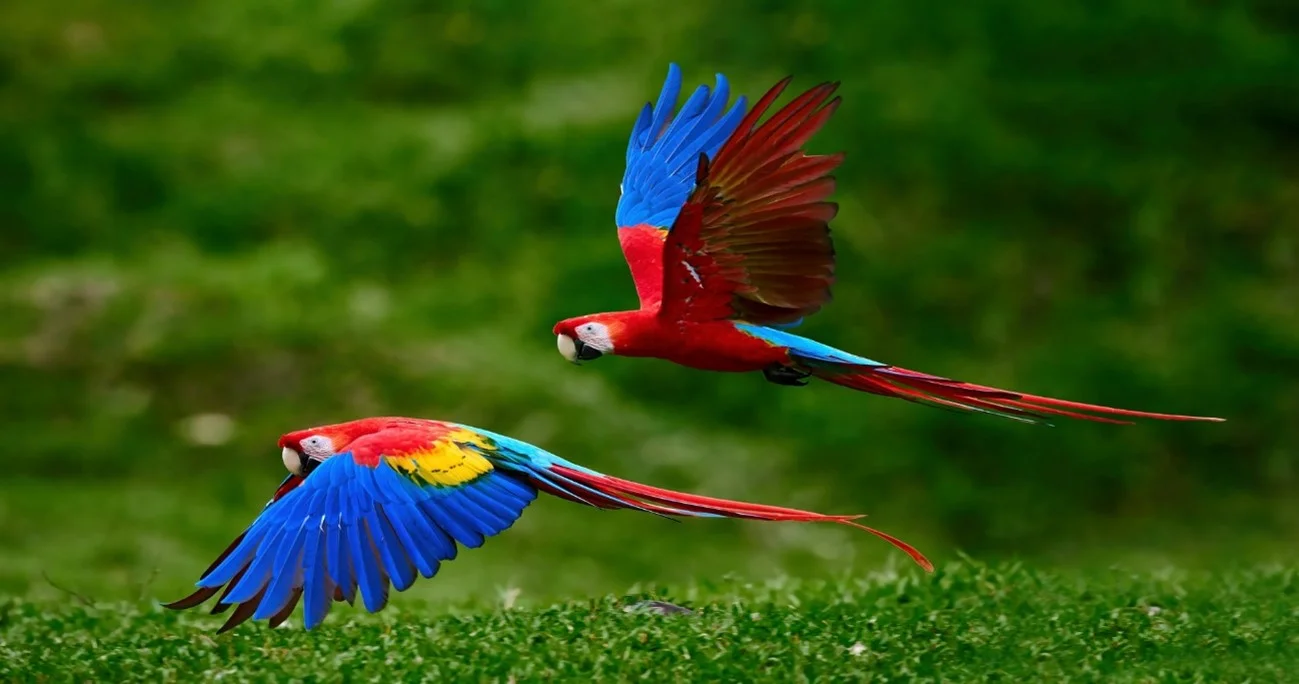
Macaws & Clay Licks → September to JanuaryIf seeing large flocks of Red-and-green, Scarlet, and Blue-and-gold Macaws at riverbank clay licks is a top priority, aim for these months when dietary needs and breeding drive maximum activity.
Giant River Otters & Canopy Walks → May to OctoberLow water and calm lake surfaces make early-morning canoe tours on places like Lake Sandoval especially productive for endangered giant river otters.
Solitude & Photography → November to AprilFewer visitors, often lower rates, and dramatic green landscapes with high-water reflections create excellent conditions for landscape and macro photography.
What to Pack (Any Season)
Essential gear for Tambopata:
- Lightweight, quick-dry long sleeves and pants (sun and insect protection)
- Waterproof dry bags for cameras, phones, and electronics
- High-quality insect repellent (DEET or picaridin) and SPF 50+ sunscreen
- Headlamp with spare batteries for night walks
- Light fleece or sweater (useful for friaje events or cool boat rides)
Quick Recommendation
- Choose May–October for dry trails, comfortable hiking, reliable weather, and strong riverbank wildlife viewing.
- Choose November–April for peak macaw activity, access to flooded forest creeks, lush scenery, and a quieter jungle experience.
Both seasons offer outstanding rainforest experiences your priorities simply determine which set of advantages you prefer.
How to Choose the Right Season for You
When deciding between the dry and wet seasons in the Southern Amazon, start with your main priorities rather than the weather forecast alone.
Ask yourself:
- Do you want easy hiking and classic riverbank wildlife viewing? → Lean toward May–October.
- Are macaws at clay licks or a quieter, greener experience more important? → Choose November–April.
- Prefer fewer crowds and potentially better rates? → The wet season usually delivers.
- Traveling with limited mobility or preferring firm trails? → The dry season is more forgiving.
Many lodges and guides operate year-round, so both seasons are fully viable. The biggest differences are trail conditions, water levels, and wildlife concentration. Once you match the season to your goals, the rest of the planning becomes straightforward.
The Southern Amazon rewards visitors in every month of the year. The dry season offers comfort, accessibility, and reliable wildlife viewing along the rivers. The wet season brings vibrant green landscapes, peak macaw activity, and a more intimate sense of the forest. Neither is objectively better each simply highlights different sides of the same extraordinary ecosystem.
Choose the season that aligns with what you most want to experience, pack thoughtfully, and you’ll leave with lasting memories of one of the planet’s richest natural environments. The rainforest is always waiting.