
Cusco is not merely the gateway to Machu Picchu. At 3,399 meters (11,152 feet), it is the world’s oldest vertical culinary laboratory a place where Inca agricultural genius meets contemporary fine dining.
Here, potatoes were first domesticated thousands of years ago. Quinoa was revered as the “mother grain.” Microclimates created by ancient terraces still shape what reaches the plate today. For the discerning traveler, Cusco food is no longer a side note. It is the main reason to come.
This guide goes beyond restaurant lists. It explores the soul of Andean ingredients, the physiology of dining at altitude, curated epicurean experiences, and how Cusco connects to the wider southern Peruvian culinary narrative.
At Andean Travel Experience, we design private journeys that align your palate with your body’s natural acclimatization because true luxury means tasting everything at its peak.
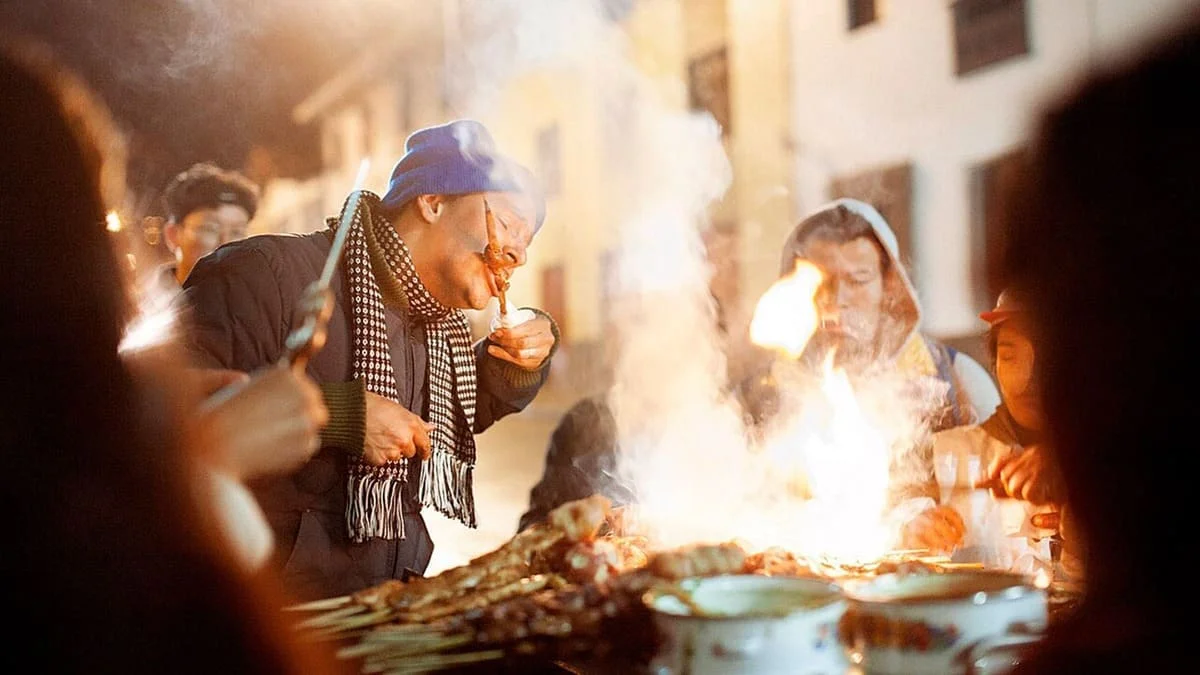
The Soul of Andean Cuisine: Sacred Ingredients and What They Mean
Andean cuisine is defined by biodiversity and resilience. Generations of farmers selected crops that thrive in thin air, intense UV light, and extreme temperature swings. The result is a pantry found nowhere else on earth.
Native Tubers & Corn: Treasures from the Sacred Valley Terraces
Peru is home to more than 4,000 potato varieties. Many of the rarest still grow in the highlands around Cusco and the Sacred Valley. You will encounter purple, yellow, red, and even blue-fleshed potatoes, each with distinct textures and subtle flavors.
Corn (choclo) here is larger-kerneled and starchier than varieties grown at sea level. It appears in everything from simple boiled ears to elegant purees and fermented chicha.
These crops are living cultural heritage. Supporting restaurants and experiences that source directly from native farmers helps preserve varieties that might otherwise disappear.
Alpaca Meat and River Trout: Clean, Sustainable Proteins of the Heights
Alpaca is lean, delicate, and sustainably raised on high pastures. When properly prepared it is tender and mild far from the gamey stereotype some travelers expect. Trout thrives in the cold, clear rivers of the Andes and offers a clean, delicate alternative to coastal seafood.
Both proteins pair beautifully with native herbs and tubers, creating dishes that feel both ancient and modern.
Ready to taste these ingredients in their purest form? Our private culinary itineraries include market visits and chef-led experiences that connect you directly to the source.
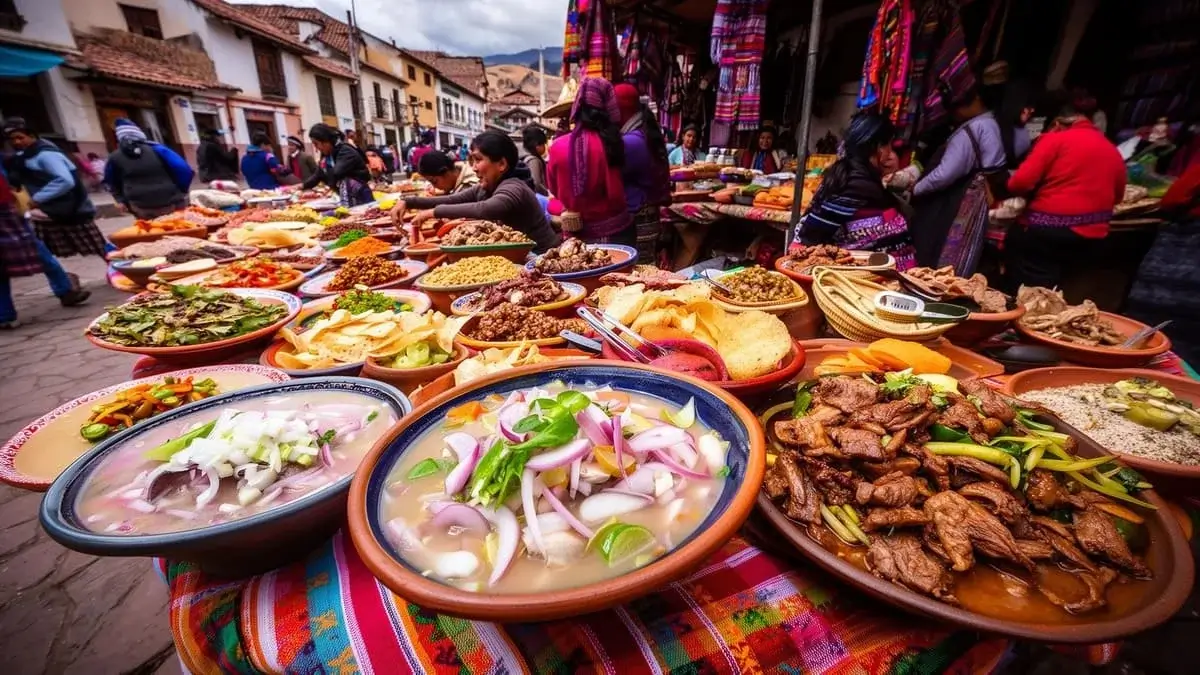
The Foodie’s Guide to Altitude Adaptation: Dining Smarter in Cusco
Altitude changes everything including how your body digests food and perceives flavor.
In the first 24–48 hours, appetite often decreases and digestion slows. Heavy, rich meals or large portions can leave you feeling unwell and diminish the rest of your trip.
Expert recommendations for your first nights in Cusco:
- Choose light broths and soups (quinoa soup, clear vegetable broths, or light trout chupe)
- Drink muña (Andean mint) or coca leaf infusions both traditional aids for digestion and mild altitude symptoms
- Favor easily digestible carbohydrates and lean proteins
- Avoid heavy meats, fried foods, and excessive alcohol until the third day
- Eat smaller portions more frequently
By day three, most travelers are ready for full tasting menus and richer preparations. Thoughtful itinerary design that respects this physiological timeline transforms the culinary experience from risky to sublime.
Because your palate performs best when your body feels flawless, we construct our itineraries around your physiology. In our Private Southern Peru Heritage & Culinary Tours, your restaurant bookings in Arequipa and Cusco are meticulously synchronized with your acclimatization timeline.
Curated Epicurean Experiences in Cusco and Beyond
Cusco’s dining scene has matured into one of the most exciting in South America. The best tables balance deep respect for Andean ingredients with refined technique.
Contemporary Masters: The Fine Dining Revolution
Several restaurants stand out for consistent excellence:
- Mauka (Belmond Palacio Nazarenas) — Led by acclaimed chef Pía León, this is a celebration of high-altitude biodiversity. Expect creative use of forgotten tubers, native grains, and hyper-local produce in an elegant setting.
- MAP Café — Nestled inside the Museo de Arte Precolombino, this glass-walled dining room offers polished contemporary Andean cuisine with museum-caliber service and atmosphere.
- Chicha por Gastón Acurio — Regional Andean soul food elevated with the signature of Peru’s most influential chef. Excellent for understanding traditional flavors with modern precision.
- Cicciolina — A long-standing favorite for refined, Mediterranean-influenced Peruvian plates and an outstanding wine list in a charming colonial setting.
- Uchu Peruvian Steakhouse — Specializes in high-altitude Andean proteins, particularly alpaca and local beef, cooked over wood or volcanic stone.
Reservations are essential in high season, especially for dinner.
Farm-to-Table Exclusivity in the Sacred Valley
Just beyond the city lies one of the most compelling dining destinations in the world: MIL Centro by Virgilio Martínez (of Central fame). Located near the ancient Moray terraces at approximately 3,568 meters, MIL offers multi-course tasting menus structured around distinct Andean ecosystems. Ingredients are sourced from extreme altitudes and local communities. Immersive experiences that include community visits or botanical walks are available and highly recommended for serious food travelers.
Private lunches at colonial haciendas surrounded by giant cornfields and organic gardens offer another level of exclusivity quiet, personal, and deeply connected to the land.
The Living Heritage: Interactive Chocolate and Pisco Masterclasses
Hands-on experiences deepen understanding. Private chocolate workshops using Peruvian cacao and pisco tastings that explore local distillates provide engaging, sensory ways to connect with Peru’s broader gastronomic identity while remaining in the highlands.
Prefer exclusive access and private tables? Let us arrange chef introductions, priority reservations, and bespoke farm visits that never appear on public booking platforms.
The Gastronomic Continuum: Linking Cusco with the Picanterías of Arequipa
Cusco is only one chapter in southern Peru’s culinary story. To fully understand the region’s flavors, continue south to Arequipa the city of volcanoes and picanterías.
Arequipa’s traditional picanterías serve robust, deeply flavorful dishes rooted in colonial and indigenous techniques: rocoto relleno, adobo, chupe de camarones, and slow-cooked stews. The volcanic soil and different microclimates produce distinct ingredients and preparations that complement Cusco’s high-altitude purity.
A well-designed itinerary links these worlds seamlessly Sacred Valley farm experiences, Cusco fine dining, and authentic Arequipa picantería meals creating a coherent narrative of southern Peruvian gastronomy.
Cusco is only one stop in Peru’s grand culinary narrative. Let our expert local Travel Designers curate a seamless, private luxury tour from the traditional picanterías of Arequipa to the finest dining rooms of Cusco. Contact us today to design your custom gastronomic itinerary.
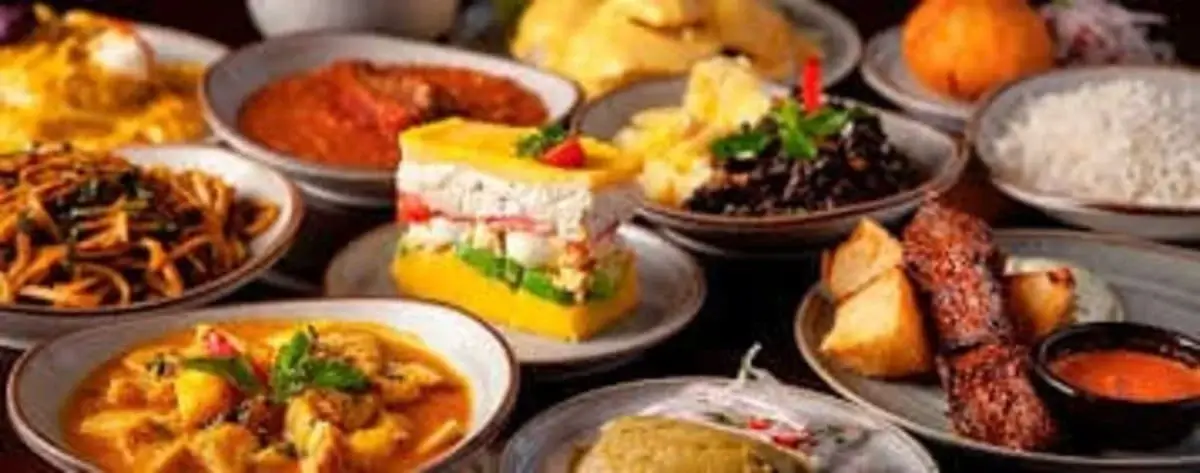
Taste the Andes at Their Highest Expression
Cusco food rewards those who approach it with curiosity, respect for the altitude, and a desire for authenticity. When ingredients, timing, and context align, every meal becomes a deeper connection to the Andes and the people who have cultivated this land for millennia.
The most memorable journeys are those designed around the traveler not the other way around. At Andean Travel Experience we specialize in private, tailor-made culinary itineraries that honor both the sophistication of modern Peruvian gastronomy and the living heritage of the highlands.
Whether you seek intimate farm-to-table lunches, priority access to the region’s most celebrated tables, or a complete southern Peru gastronomic odyssey, we are ready to create it with you.
Begin your journey.