
Few landmarks define a destination as completely as El Misti defines Arequipa.
Rising majestically above Peru’s White City, this nearly symmetrical stratovolcano is more than a mountain it is the guardian of Arequipa’s identity, culture, architecture, and history. Whether admired from a colonial plaza, photographed at sunset from a boutique hotel terrace, or climbed during an unforgettable high-altitude expedition, El Misti creates an experience that remains with travelers long after they leave Peru.
For centuries, local communities have viewed the volcano as an Apu, a sacred mountain spirit that protects the valley below. Today, it continues to inspire adventurers, photographers, historians, and luxury travelers seeking authentic connections with Peru’s extraordinary landscapes.
In this guide, discover everything you need to know about El Misti Volcano, from its fascinating history and cultural significance to the best ways to experience it in comfort and style.
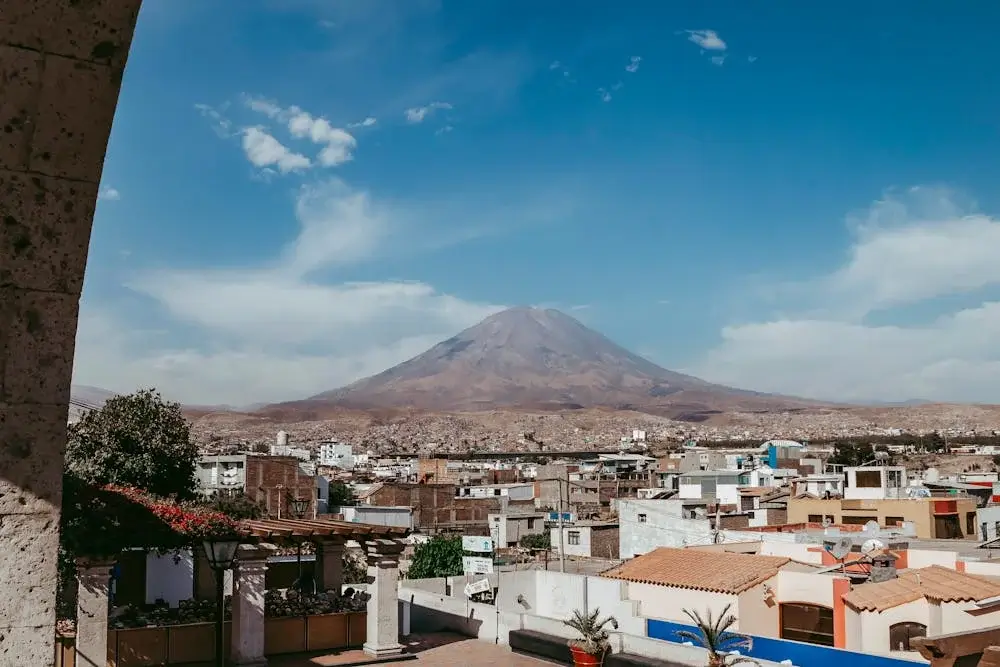
Why El Misti Is the Symbol of Arequipa
Standing at approximately 5,822 meters (19,101 feet), El Misti dominates the skyline of Arequipa and is visible from almost every corner of the city.
Unlike many volcanic peaks in South America, El Misti rises directly beside a major urban center, creating one of the most dramatic city-and-mountain landscapes in the world.
A Natural Masterpiece
Its almost perfect cone shape has made it one of Peru’s most photographed natural landmarks.
Together with neighboring volcanoes Chachani and Pichu Pichu, El Misti forms a spectacular backdrop that has shaped local culture and traditions for centuries.
A Living Volcano
Although currently quiet, El Misti is considered an active volcano and remains under constant monitoring by Peruvian geological authorities.
Its most recent periods of activity occurred during historical times, reminding visitors of the powerful geological forces that created southern Peru.
Watching sunrise illuminate El Misti from Arequipa's historic center is one of the city's most unforgettable experiences.
The Silent Architect: How El Misti Shaped Arequipa
El Misti’s influence extends far beyond the horizon.
The volcano literally helped build the city.
Sillar Stone: The Foundation of the White City
Arequipa is famously known as "The White City" because of its distinctive volcanic stone called sillar.
This white volcanic rock originated from ancient eruptions and pyroclastic flows associated with El Misti and neighboring volcanoes.
The stone was used to construct:
- Monasteries
- Churches
- Colonial mansions
- Bridges
- Historic plazas
Today, Arequipa’s Historic Centre is recognized as a UNESCO World Heritage Site largely because of this unique architectural heritage.
Visiting the Sillar Quarries
Travelers can visit the stunning sillar quarries located outside the city, where enormous walls carved by local artisans reveal the geological story of the region.
These landscapes provide exceptional photography opportunities and deeper insight into Arequipa’s identity.
El Misti and the Sacred World of the Incas
For the Incas, mountains were living beings.
Known as Apus, sacred peaks were believed to protect communities and maintain harmony between humans and nature.
High-Altitude Sanctuaries
Archaeological discoveries near El Misti have revealed ceremonial offerings and evidence of Inca rituals performed thousands of meters above sea level.
These ceremonies were part of the Capacocha tradition, one of the most important religious practices of the Inca Empire.
Offerings included:
- Textiles
- Ceramics
- Precious metals
- Symbolic objects
The discoveries highlight the spiritual significance El Misti held within the Andean worldview.
Understanding the Apu Tradition
Even today, respect for the mountains remains deeply embedded in Andean culture.
Many local communities continue to honor sacred peaks through traditional ceremonies and offerings known as pagos a la tierra (payments to the earth).
Experiencing Andean traditions with local cultural experts offers a deeper understanding of Peru beyond its famous archaeological sites.
Experiencing El Misti Without Climbing It
Not every traveler wants to reach 5,822 meters.
Fortunately, some of the most memorable experiences involving El Misti require no hiking at all.
Best Viewpoints of El Misti
Yanahuara Viewpoint
The iconic arches of Yanahuara frame the volcano beautifully and provide one of the most famous photographs in Arequipa.
Carmen Alto Viewpoint
Located above the city, this peaceful location offers panoramic views of:
- El Misti
- Chachani
- Pichu Pichu
- The Chilina Valley
Plaza de Armas
Arequipa’s main square offers a unique perspective where colonial architecture and volcanic scenery merge into one extraordinary view.
Luxury Experiences Around El Misti
Premium travelers often prefer experiences such as:
- Private sunset photography sessions
- Gourmet dining with volcano views
- Boutique hotel terraces
- Private cultural tours
- Exclusive wine and pisco tastings
These experiences allow visitors to connect with El Misti in comfort while still appreciating its grandeur.
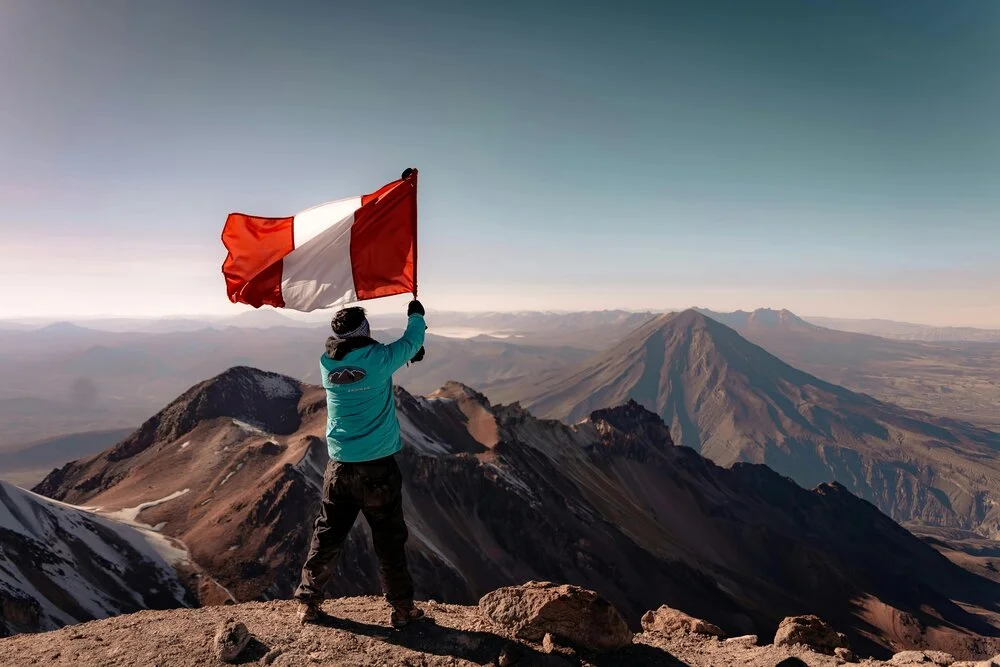
Climbing El Misti: A Bucket-List Adventure
For adventurous travelers, reaching the summit of El Misti is one of Peru’s most rewarding trekking experiences.
How Difficult Is the Climb?
El Misti is considered a challenging high-altitude trek.
While technical climbing skills are generally not required under normal conditions, the altitude demands strong physical preparation.
Key Facts
| Detail | Information |
|---|---|
| Elevation | 5,822 m / 19,101 ft |
| Duration | 2 Days |
| Difficulty | Moderate to Challenging |
| Technical Skills | Usually Not Required |
| Best Season | May – October |
What Makes a Luxury Expedition Different?
At Andean Travel Experience, adventure does not mean sacrificing comfort.
Premium expedition services may include:
- Private transportation
- Expert mountain guides
- Personalized acclimatization plans
- High-quality camping equipment
- Nutritional support
- Emergency oxygen systems
- Customized itineraries
This approach transforms a demanding trek into a carefully curated adventure.
El Misti, Gastronomy, and Volcanic Terroir
One of the most overlooked aspects of El Misti is its contribution to Arequipa’s renowned culinary culture.
How Volcanic Soil Shapes Local Cuisine
For centuries, volcanic minerals have enriched the agricultural valleys surrounding Arequipa.
This fertile environment supports the cultivation of:
- Rocoto peppers
- Native potatoes
- Corn varieties
- Beans
- Traditional herbs
These ingredients form the foundation of Arequipeñan gastronomy, considered among Peru’s most distinctive regional cuisines.
Must-Try Dishes
When visiting Arequipa, don't miss:
- Rocoto Relleno
- Adobo Arequipeño
- Chupe de Camarones
- Solterito de Queso
- Ocopa Arequipeña
The connection between landscape, agriculture, and cuisine creates a fascinating culinary story that begins on the slopes of the volcano.
Exploring local picanterías provides an authentic taste of Arequipa’s cultural heritage.
Best Time to Visit El Misti
Choosing the right season can dramatically improve your experience.
Dry Season (May to October)
This period offers:
- Clear skies
- Excellent visibility
- Better hiking conditions
- Ideal photography opportunities
It is generally considered the best time to visit Arequipa and climb El Misti.
Rainy Season (November to April)
Travelers can still enjoy the city and viewpoints, although summit expeditions may be affected by weather conditions.
June through September typically provides the clearest views of the volcano.
Frequently Asked Questions About El Misti Volcano
Is El Misti an active volcano?
Yes. El Misti is classified as an active volcano and is continuously monitored by Peruvian geological authorities.
Can beginners climb El Misti?
Physically fit beginners can successfully complete the climb with proper acclimatization and professional guidance.
How many days should I spend in Arequipa before climbing?
A minimum of 2 to 3 days is recommended to adapt to the altitude.
What is the altitude of El Misti?
El Misti stands at approximately 5,822 meters (19,101 feet) above sea level.
Is El Misti worth visiting if I don't plan to hike?
Absolutely. The volcano is central to Arequipa’s history, architecture, gastronomy, and scenery, making it a highlight even for non-hikers.
Conclusion: Discover the Soul of Arequipa Through El Misti
El Misti is more than a volcano.
It is the silent guardian of Arequipa, the source of its iconic white architecture, a sacred mountain of the Andes, and one of Peru’s most inspiring natural landmarks.
Whether you choose to admire its beauty from a colonial terrace, explore its cultural legacy through local traditions, savor the flavors nurtured by its volcanic soils, or challenge yourself on a summit expedition, El Misti offers a profound connection to the spirit of southern Peru.
For travelers seeking meaningful experiences beyond the ordinary, few places capture the essence of Peru as completely as El Misti.
Ready to Experience El Misti in Style?
At Andean Travel Experience, we create tailor-made journeys that combine luxury, culture, gastronomy, and adventure throughout southern Peru.
Whether you dream of a private Arequipa escape, a premium volcano expedition, or a complete itinerary including the Colca Canyon, Cusco, and Machu Picchu, our travel specialists will design an experience perfectly suited to your interests.