
The Andes Mountains are far more than a spectacular backdrop for Machu Picchu or a destination for adventurous hikers. Stretching across the western edge of South America, they are the longest continental mountain range on Earth, a place where towering peaks, ancient civilizations, extraordinary biodiversity, and world-renowned gastronomy come together.
For thousands of years, the Andes have shaped the way people live, farm, build, trade, and celebrate life. Today, these mountains continue to inspire travelers from around the world who seek authentic cultural experiences, breathtaking landscapes, and meaningful connections with nature.
What makes the Andes truly remarkable isn't just their size it's the incredible diversity they contain. Within a single day, you can travel from coastal deserts to fertile valleys, snow-capped peaks, cloud forests, and the Amazon basin. Few places on Earth offer such dramatic contrasts in geography, climate, wildlife, and culture.
For Peru, the Andes are the country's beating heart. They cradle iconic destinations like Cusco, the Sacred Valley, and Machu Picchu while also nurturing lesser-known gems such as Arequipa, the Colca Canyon, and remote Andean communities where centuries-old traditions remain alive.
Whether you're planning your first visit to Peru or simply fascinated by one of the world's greatest natural wonders, these fascinating facts will reveal why the Andes are unlike any mountain range on Earth.
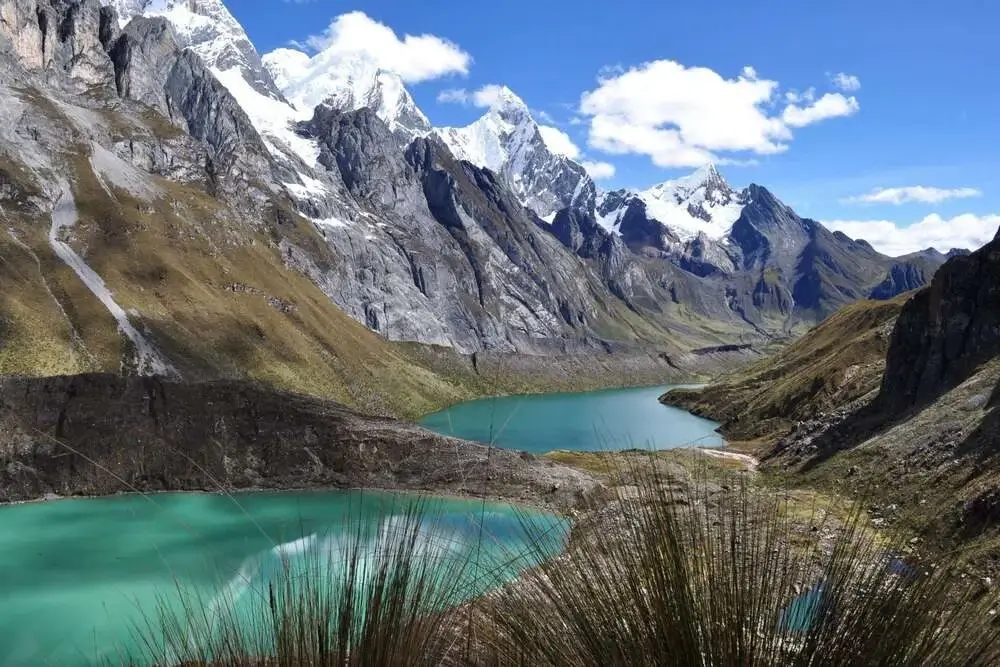
Quick Facts About the Andes Mountains
| Feature | Fact |
|---|---|
| Length | Approximately 7,000 km (4,350 miles) |
| Countries | Venezuela, Colombia, Ecuador, Peru, Bolivia, Chile and Argentina |
| Highest Peak | Aconcagua (6,961 m / 22,838 ft) |
| Highest Capital City | La Paz, Bolivia (administrative capital) |
| UNESCO Icons | Machu Picchu, Qhapaq Ñan and many cultural landscapes |
| Famous Wildlife | Andean condor, vicuña, alpaca, llama, spectacled bear |
| Best Known Destinations | Cusco, Sacred Valley, Colca Canyon, Lake Titicaca, Huaraz |
Where Are the Andes Mountains?
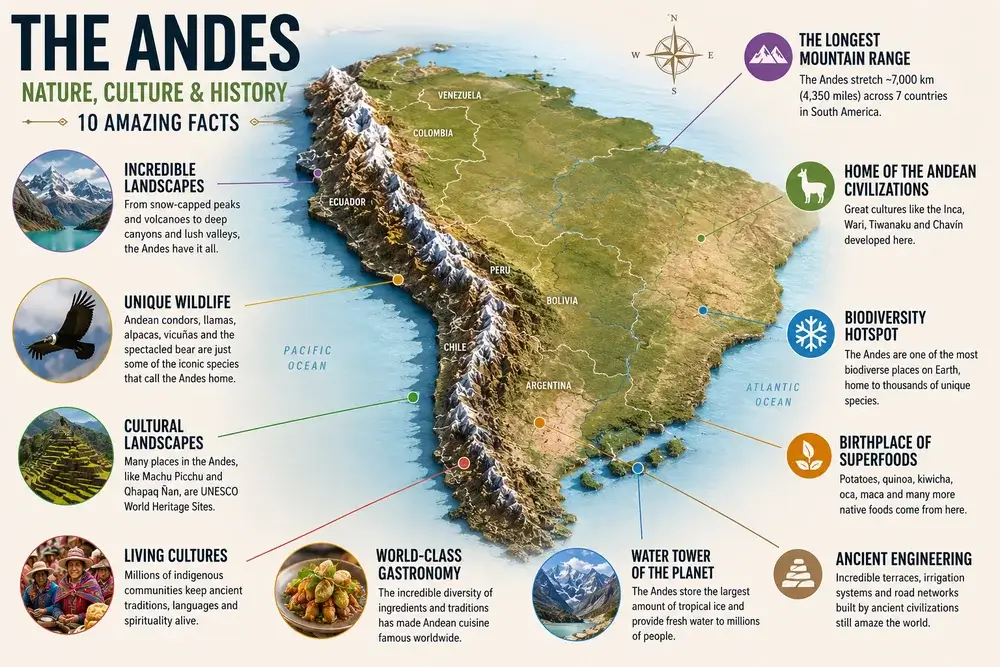
The Andes stretch along the western side of South America, forming an immense natural corridor that crosses seven countries: Venezuela, Colombia, Ecuador, Peru, Bolivia, Chile, and Argentina.
Unlike many mountain ranges that divide regions, the Andes connect vastly different ecosystems. Along their journey, they overlook Pacific coastlines, fertile valleys, volcanoes, glaciers, cloud forests, and eventually the Amazon rainforest.
Peru occupies one of the most diverse sections of the Andes. Here, the mountains are not only spectacular but deeply intertwined with everyday life. Ancient agricultural terraces still produce native crops, vibrant Indigenous cultures preserve centuries-old traditions, and cities such as Cusco and Arequipa blend colonial architecture with Andean heritage.
For travelers, this diversity means that no two Andean journeys are ever the same. A carefully designed itinerary can combine luxury accommodations, archaeological wonders, exceptional cuisine, wildlife encounters, and breathtaking landscapes all within a relatively short distance.
Why Are the Andes So Special?
Unlike mountain ranges that are known primarily for climbing or skiing, the Andes offer something much richer: they are a living landscape where nature, history, gastronomy, spirituality, and local communities continue to evolve together.
This is one of the few places in the world where travelers can:
- Walk through a UNESCO World Heritage Site in the morning.
- Enjoy a farm-to-table lunch prepared with ingredients grown at over 3,000 meters (9,800 feet).
- Watch Andean condors soaring above one of the world's deepest canyons.
- Sleep in luxury lodges surrounded by ancient mountains that have inspired civilizations for millennia.
These experiences transform the Andes from a destination into a lifelong memory.
1. The Andes Are the Longest Continental Mountain Range on Earth
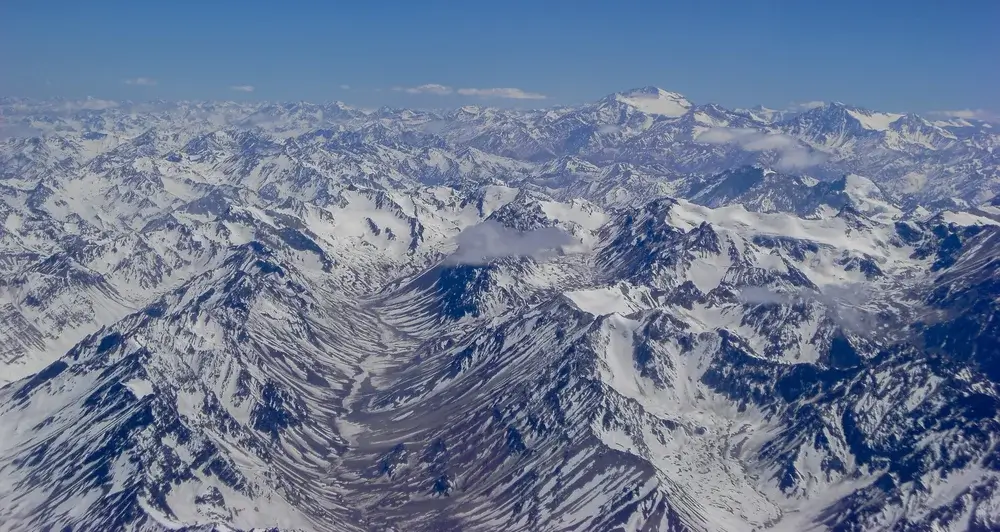
Stretching approximately 7,000 kilometers (4,350 miles), the Andes are the longest continental mountain range on the planet.
To put that into perspective, they extend nearly the entire length of western South America, crossing climates that range from tropical rainforests to high-altitude deserts and icy glaciers.
Because of this incredible length, the Andes are not a single landscape but thousands of interconnected environments, each with its own culture, wildlife, architecture, and traditions.
In Peru alone, the mountain range shapes everything from the dramatic Colca Canyon to the sacred peaks surrounding Cusco and the lush valleys that once sustained the Inca Empire.
For travelers, this means every region offers a completely different experience. Exploring the southern Andes is less about checking famous landmarks off a list and more about discovering how geography influences every aspect of local life.
Expert Insight
One of the greatest surprises for first-time visitors is how quickly the scenery changes. Within a few hours of driving through Southern Peru, travelers can move from volcanic landscapes near Arequipa to fertile valleys, snow-covered mountains, and traditional Andean villages that seem untouched by time.
2. The Andes Cross Seven Different Countries
The Andes begin in Venezuela and continue through Colombia, Ecuador, Peru, Bolivia, Chile, and Argentina.
Each country has developed its own traditions, architecture, cuisine, and relationship with the mountains.
However, Peru occupies a particularly unique position because its Andes contain one of the greatest concentrations of archaeological sites, living Indigenous cultures, and ecological diversity anywhere along the mountain chain.
This is where visitors can experience the legacy of the Inca civilization while also discovering lesser-known pre-Inca cultures, colonial cities built from volcanic stone, and remote villages where weaving traditions have been preserved for generations.
Rather than viewing the Andes as a border, local communities have long considered them a bridge connecting different ecosystems and peoples.
Did You Know?
The Andes are so extensive that they influence weather patterns across the entire South American continent, affecting rainfall in both the Amazon rainforest and the Pacific coast.
3. The Andes Created One of the World's Greatest Natural Laboratories
Perhaps the most remarkable feature of the Andes is not their height but their ability to create countless microclimates.
As elevation changes, so do temperature, rainfall, soil composition, and vegetation. Ancient Andean civilizations understood this phenomenon thousands of years ago and developed sophisticated agricultural systems that allowed them to grow different crops at different elevations.
This concept is often called the "vertical archipelago" or "vertical ecology."
Instead of relying on one type of farmland, communities cultivated crops across multiple ecological zones.
A single family might produce: potatoes in the highlands, corn in temperate valleys, fruits in warmer regions, coca leaves on eastern slopes, and tropical products closer to the Amazon.
This extraordinary understanding of altitude remains one of the greatest agricultural achievements in human history.
Today, many luxury restaurants throughout Peru continue to celebrate this vertical diversity by sourcing ingredients from multiple elevations to create seasonal tasting menus that cannot be replicated anywhere else in the world.
4. Peru Is Home to More Than 4,000 Native Potato Varieties
When most people think about potatoes, they imagine a handful of familiar varieties.
The Andes tell a completely different story.
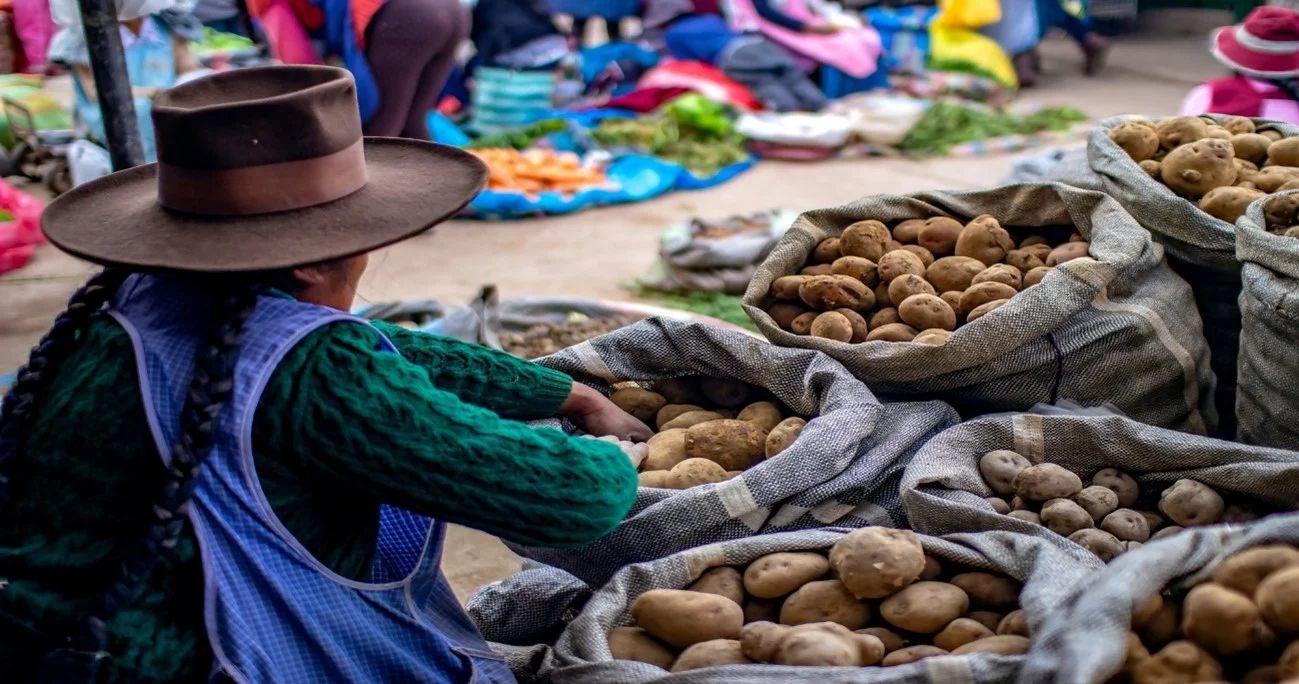
Peru alone is home to more than 4,000 native potato varieties, many of which have been cultivated by Indigenous communities for centuries.
These potatoes vary dramatically in:
- color,
- texture,
- flavor,
- size,
- nutritional value,
- altitude tolerance.
Some grow above 4,000 meters, while others thrive in lower valleys.
This incredible biodiversity has become one of the foundations of modern Peruvian gastronomy, inspiring chefs recognized among the best in the world.
Luxury dining experiences in Cusco and Arequipa often showcase rare potato varieties paired with local herbs, native corn, high-altitude cheeses, and Andean grains.
Far from being an ordinary side dish, potatoes represent thousands of years of agricultural innovation.
Luxury Travel Perspective
One of the most rewarding experiences in Southern Peru is visiting traditional farming communities where native potatoes, quinoa, and giant corn are still cultivated using ancestral techniques. Many private cultural experiences include visits to local producers, allowing travelers to better understand the origins of Peru's extraordinary cuisine.
5. The Colca Canyon Is One of the Deepest Canyons on Earth
While the Grand Canyon often dominates international headlines, Peru's Colca Canyon quietly surpasses expectations.
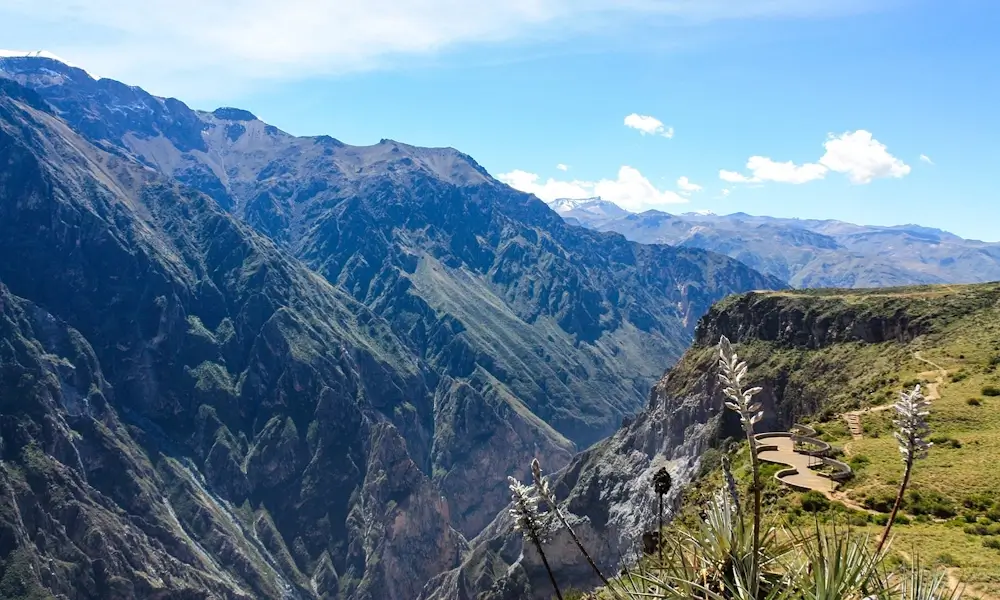
Located in the Andes near Arequipa, the Colca Canyon reaches depths of more than 3,200 meters (10,500 feet) in certain sections, making it one of the deepest canyons on the planet.
Its immense scale is difficult to appreciate until standing at one of its panoramic viewpoints, where layers of volcanic rock, ancient agricultural terraces, and soaring cliffs create an unforgettable landscape.
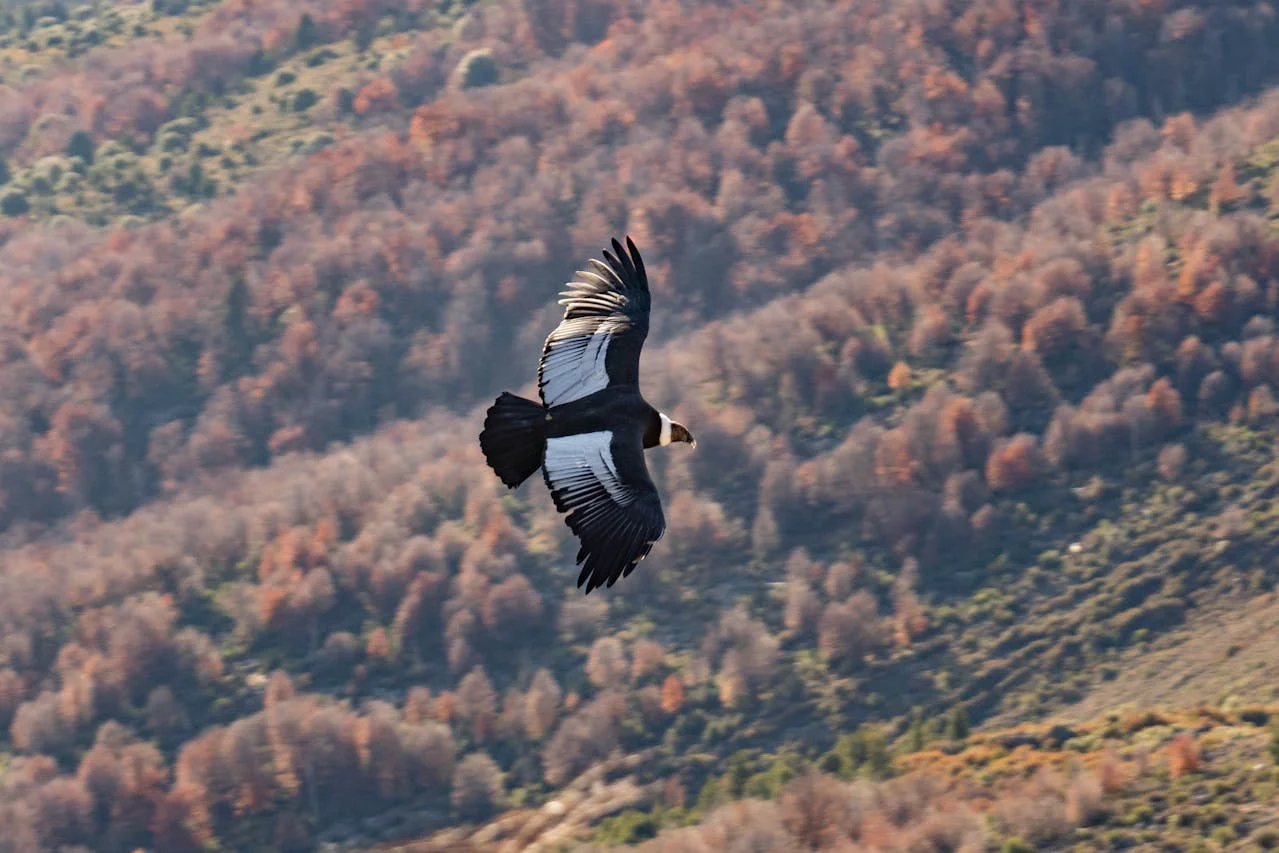
The canyon is also one of the best places in the world to observe the majestic Andean condor, whose wingspan can exceed three meters (10 feet). Watching these magnificent birds glide effortlessly on morning thermal currents is one of Peru's most iconic wildlife experiences.
Beyond its dramatic scenery, the Colca Valley is home to charming villages, centuries-old churches, natural hot springs, and family-run farms that continue to cultivate the land using traditional methods.
Unlike destinations focused solely on adventure, Colca offers a slower rhythm of travel one that invites visitors to immerse themselves in local culture while enjoying spectacular mountain landscapes in comfort.
6. The Andes Are Home to One of the Greatest Biodiversity Hotspots on Earth
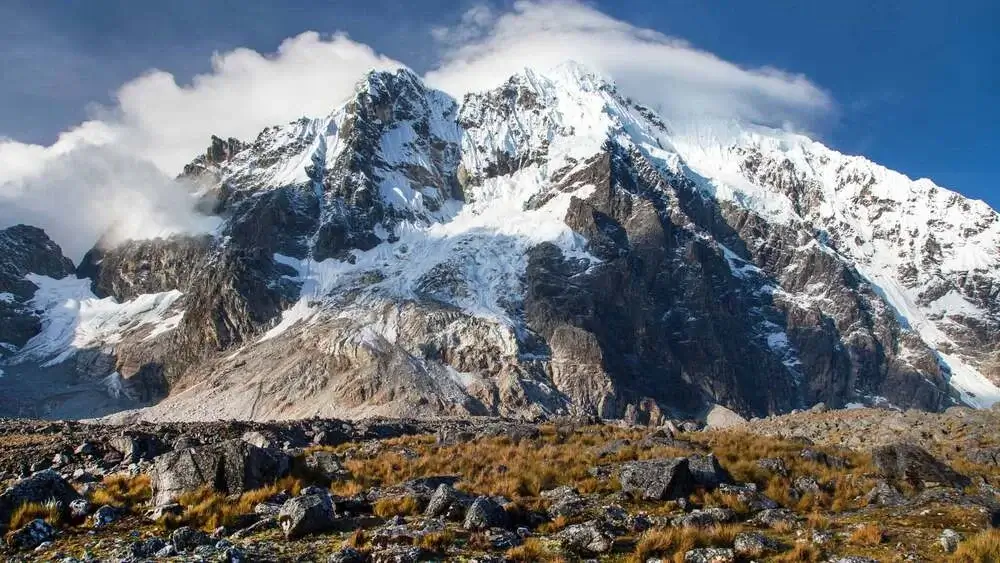
When people imagine the Andes, snow-covered peaks often come to mind. Yet these mountains shelter an astonishing variety of ecosystems that make them one of the richest biodiversity hotspots on the planet.
As the Andes rise and fall through thousands of meters of elevation, they create countless habitats where plants and animals have evolved in remarkable ways. Within a relatively short distance, travelers can encounter dry highland grasslands, fertile valleys, cloud forests, glacial lakes, wetlands, and even the gateway to the Amazon rainforest.
This extraordinary ecological diversity supports thousands of species found nowhere else on Earth.
Some of the Andes' most iconic wildlife includes:
- The majestic Andean condor
- Graceful vicuñas, whose fine wool is among the world's most valuable natural fibers
- Friendly alpacas and sturdy llamas
- The elusive spectacled bear, South America's only native bear species
- Colorful hummingbirds adapted to high-altitude ecosystems
- Rare orchids growing in cloud forests
Every ecosystem plays an essential role in maintaining the health of the mountains and the communities that depend on them.
Unlike many protected landscapes that feel isolated from daily life, the Andes remain a living environment where people and nature have coexisted for thousands of years.
Did You Know?
Scientists estimate that the Tropical Andes contain nearly 15% of the world's plant diversity, despite occupying only a small fraction of Earth's land area. This makes the region one of the most biologically important places on Earth.
7. Ancient Agricultural Terraces Are Still Feeding Communities Today
Long before modern engineering, Andean civilizations transformed steep mountain slopes into productive farmland.
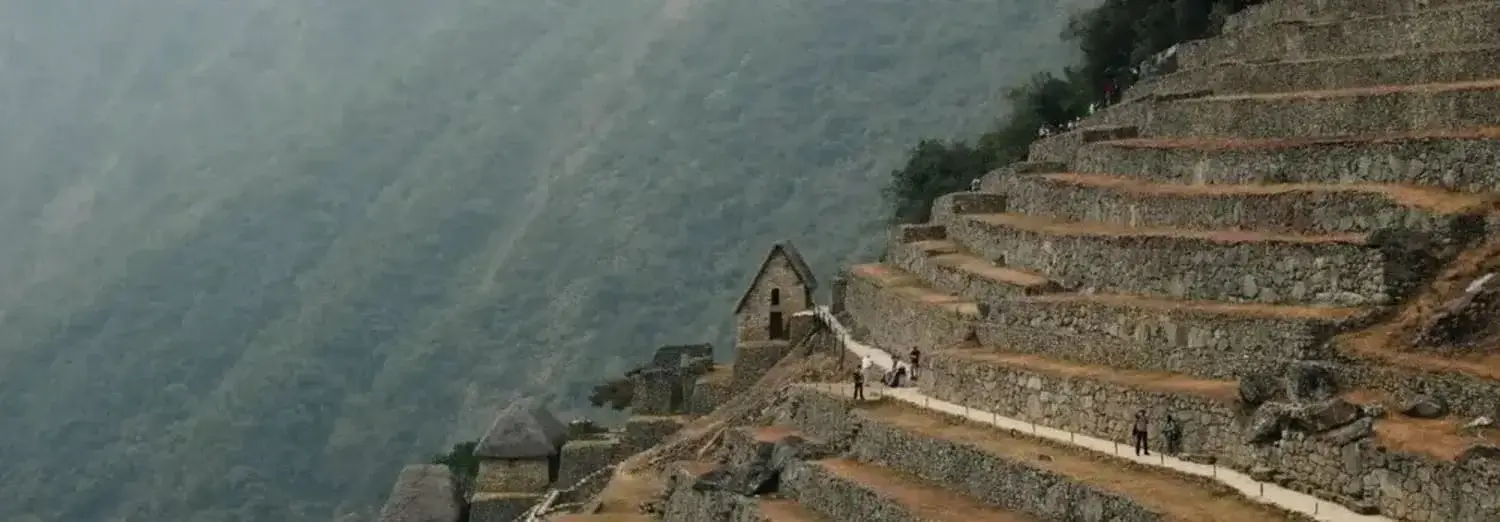
The famous agricultural terraces or andenes that travelers admire around the Sacred Valley were far more than beautiful stone structures. They were sophisticated engineering systems designed to maximize sunlight, regulate water, prevent erosion, and create different growing environments across varying elevations.
The Incas inherited and expanded many of these techniques from earlier civilizations, building thousands of kilometers of terraces throughout Peru.
Some of these agricultural systems are more than 500 years old and continue to produce crops today.
Walking among these terraces offers a glimpse into a civilization that understood sustainability long before the concept became part of modern environmental discussions.
Many communities still cultivate:
- Native potatoes
- Giant white corn
- Quinoa
- Kiwicha (amaranth)
- Broad beans
- Traditional medicinal herbs
These crops continue to supply local markets and many of Peru's finest restaurants.
Expert Insight
One of the greatest privileges of traveling through Southern Peru is seeing these landscapes not as archaeological relics but as living cultural heritage. Farmers continue planting and harvesting using knowledge passed down through generations, preserving traditions that remain deeply connected to the mountains.
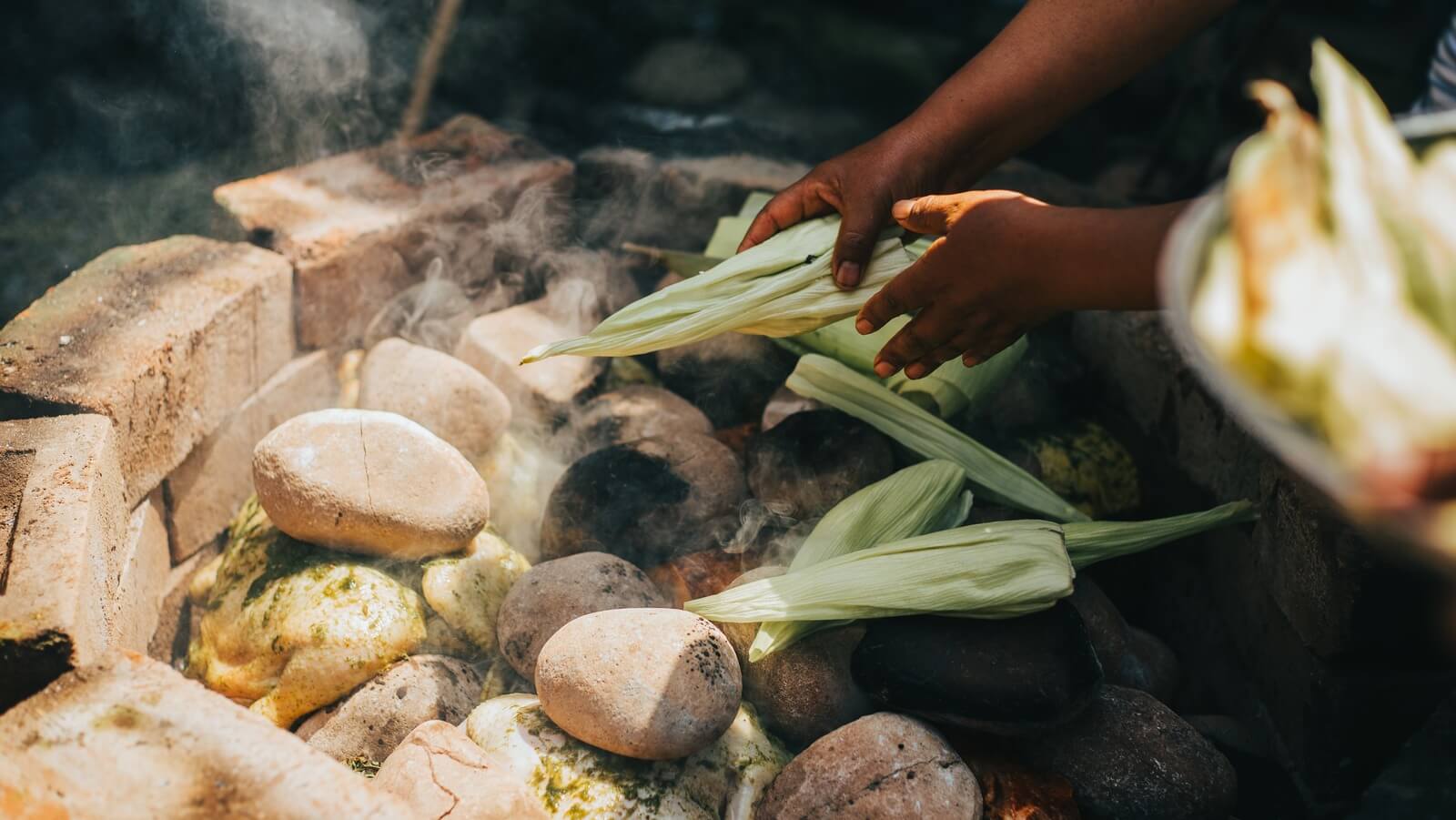
8. The Andes Gave Birth to Peru's World-Famous Cuisine
Peruvian cuisine has become one of the world's most celebrated gastronomic traditions, earning international recognition for its creativity and diversity.
But few travelers realize that much of this culinary excellence begins high in the Andes.
Altitude creates an extraordinary range of ecological zones where ingredients develop unique flavors, textures, and nutritional profiles.
Some of Peru's most iconic products originate in the Andes, including:
- Native potatoes
- Quinoa
- Kiwicha
- Oca
- Mashua
- Tarwi
- Giant Cusco corn
- Hundreds of native chili peppers
- Aromatic herbs like muña
- High-altitude cacao grown along the eastern Andean slopes
Modern chefs combine these ancestral ingredients with contemporary techniques, creating tasting menus that tell the story of Peru through every course.
This deep connection between biodiversity and gastronomy has transformed Peru into one of the world's leading culinary destinations.
From Ancient Fields to Fine Dining
This deep connection between biodiversity and gastronomy has transformed Peru into one of the world's leading culinary destinations.
One of the most fascinating aspects of Peruvian gastronomy is the close relationship between local producers and award-winning chefs.
Many luxury restaurants source ingredients directly from Andean farmers who continue cultivating rare varieties that exist nowhere else.
For travelers, this means every meal becomes an opportunity to experience centuries of agricultural knowledge transformed into contemporary cuisine.
Travel Inspiration
Private culinary journeys through Southern Peru often include visits to traditional markets, family farms, artisanal producers, and exclusive cooking experiences where travelers can discover how Andean ingredients are transformed into unforgettable dishes.
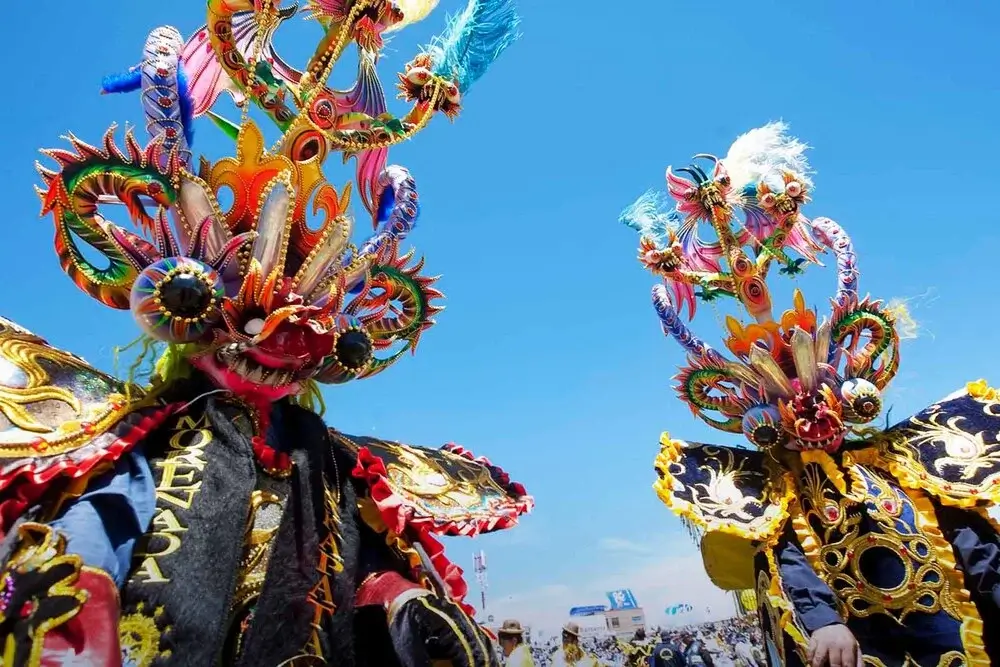
9. The Andes Are Sacred to Andean Culture
For many Indigenous communities, the Andes are far more than mountains.
They are living beings.
Across Peru, towering peaks known as Apus are considered protective spirits that watch over nearby villages.
For centuries, local communities have honored these sacred mountains through ceremonies, offerings, and festivals that express gratitude for water, fertile land, and abundant harvests.
Although daily life has evolved, many of these traditions remain deeply rooted in Andean culture.
Visitors may encounter colorful festivals, traditional music, vibrant textiles, and ceremonies that reflect a profound respect for nature.
Understanding this spiritual connection offers a richer perspective on destinations like Cusco, the Sacred Valley, and remote Andean villages.
Rather than simply admiring spectacular scenery, travelers begin to appreciate the mountains as places of cultural identity and living heritage.
Did You Know?
The famous Qhapaq Ñan, the Great Inca Road System, stretches over 30,000 kilometers (18,600 miles) across six South American countries, connecting sacred mountains, valleys, ceremonial centers, and communities throughout the Andes.
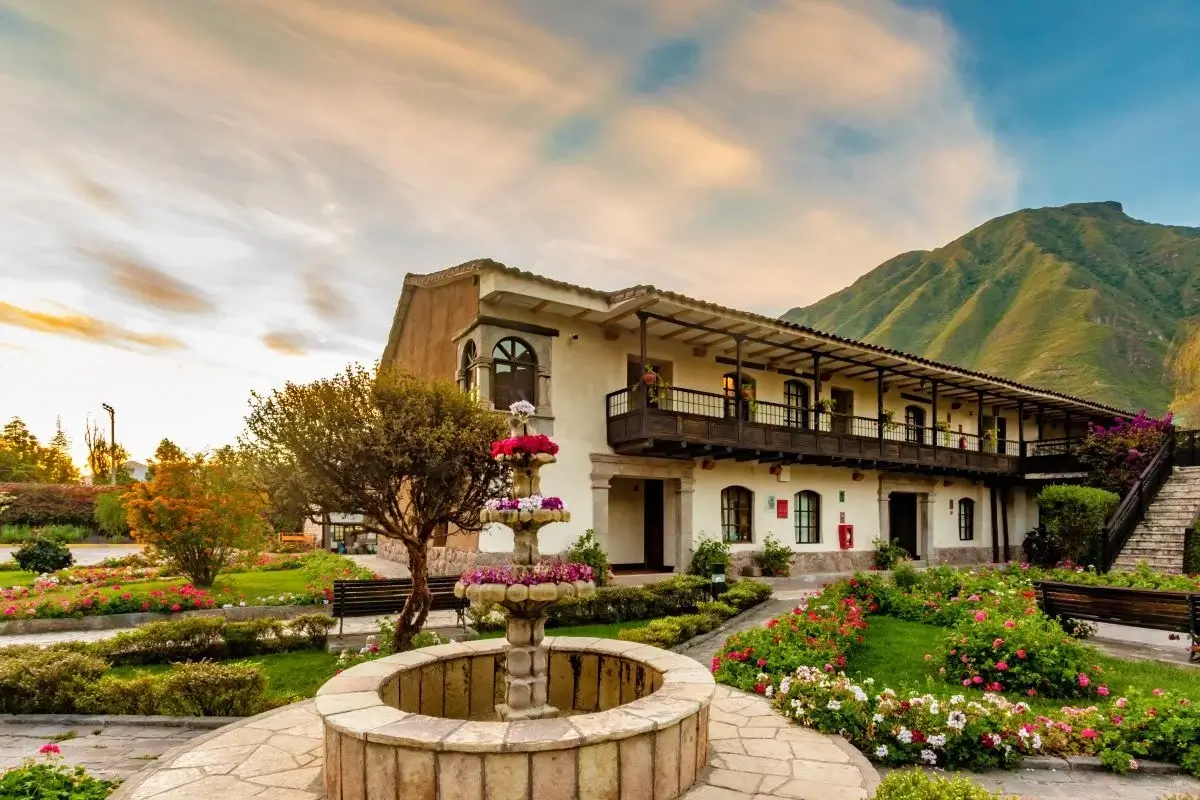
10. Luxury Travel in the Andes Is More Comfortable Than Ever
Many people still imagine traveling through the Andes as an experience reserved for backpackers or mountaineers.
Luxury Perspective
The finest journeys through the Andes aren't measured by how many destinations you visit they're measured by how deeply you experience each one.
Watching sunrise over volcanic peaks, sharing lunch with local farmers, enjoying a private tasting menu inspired by native ingredients, or simply relaxing in a luxury lodge surrounded by snow-capped mountains creates memories that last far longer than any checklist of attractions.
Thoughtfully crafted itineraries prioritize quality over quantity, allowing travelers to connect with the landscapes, cultures, and traditions that make the Andes one of the world's most extraordinary destinations.
The reality is very different.
Today, the Peruvian Andes offer some of South America's finest hospitality, combining spectacular natural settings with exceptional comfort.
Travelers can enjoy:
- Elegant boutique hotels
- Luxury mountain lodges
- Restored colonial mansions
- Exclusive wellness retreats
- Private culinary experiences
- Luxury train journeys through the Andes
- Personalized cultural encounters
- Expert private guides
Perhaps most importantly, thoughtfully designed itineraries allow travelers to acclimatize gradually while exploring the region at a comfortable pace.
Beginning in cities such as Arequipa, continuing through the Colca Canyon, and later visiting Cusco and the Sacred Valley provides a natural progression that balances discovery with wellness.
This slower approach transforms altitude from a challenge into part of the experience itself.
Planning Your Journey Through the Andes
Exploring the Andes is not about reaching a single destination it's about embracing one of the most diverse regions on Earth.
A well-designed itinerary allows you to experience several distinct landscapes without feeling rushed. Many travelers begin in Arequipa, continue through the breathtaking Colca Canyon, then travel to Cusco, the Sacred Valley, and finally Machu Picchu. Along the way, every change in altitude reveals new scenery, flavors, traditions, and perspectives.
Traveling privately also offers greater flexibility, whether you wish to spend more time photographing condors at sunrise, visiting artisan communities, enjoying wellness experiences, or discovering hidden archaeological sites beyond the typical tourist route.
The Andes reward those who travel slowly, with curiosity and an appreciation for both nature and culture.
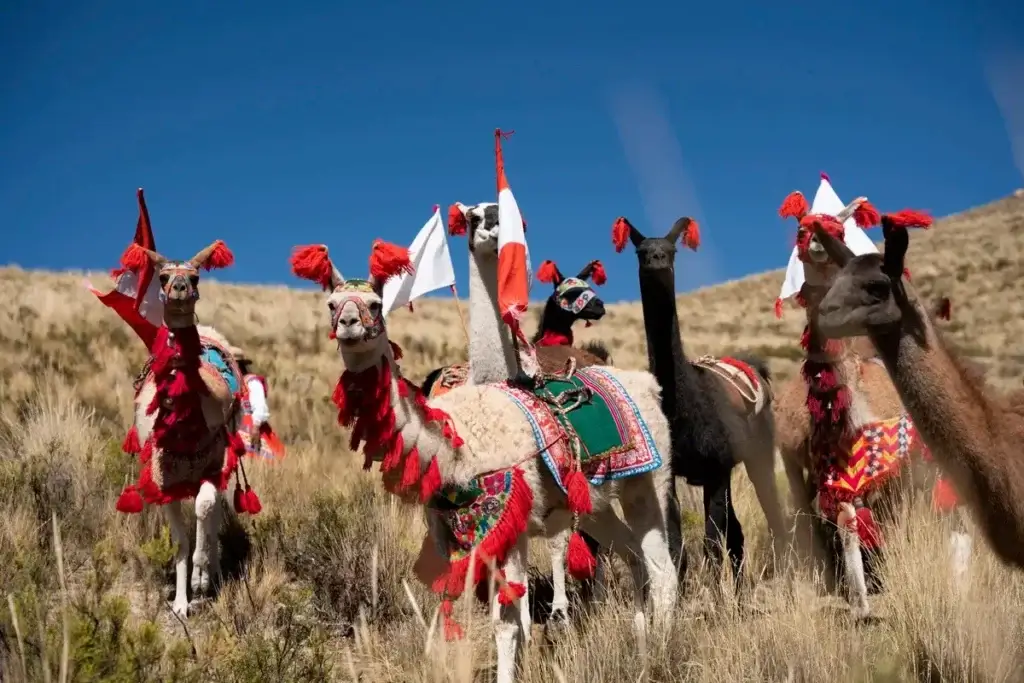
11. Llamas, Alpacas, and Vicuñas Are Native to the Andes
Few animals are as closely associated with the Andes as South America's native camelids. While llamas and alpacas have become international symbols of Peru, many travelers are surprised to learn that they each serve very different purposes and have played an essential role in Andean life for thousands of years.
Llamas were traditionally used as pack animals, carrying goods across the vast network of Inca roads that connected the empire. Strong and resilient, they continue to support rural communities in remote mountain regions.
Alpacas, on the other hand, are prized for their exceptionally soft fleece. Their wool is naturally lightweight, warm, and breathable, making it one of the world's finest natural fibers. Today, it is used to create elegant garments sought after by designers and travelers alike.
Perhaps the most remarkable of all is the vicuña, Peru's national animal. Living wild at elevations above 3,500 meters (11,500 feet), the vicuña produces one of the rarest and most luxurious natural fibers on Earth. Because the animals are protected, their wool is collected through carefully managed traditional ceremonies known as chaccu, where communities gently shear the animals before releasing them back into the wild.
Encountering these graceful animals in their natural habitat offers a deeper appreciation for the enduring relationship between Andean communities and their environment.
Did You Know?
A vicuña can produce only a small amount of fiber every few years, making its wool one of the most exclusive natural textiles in the world.
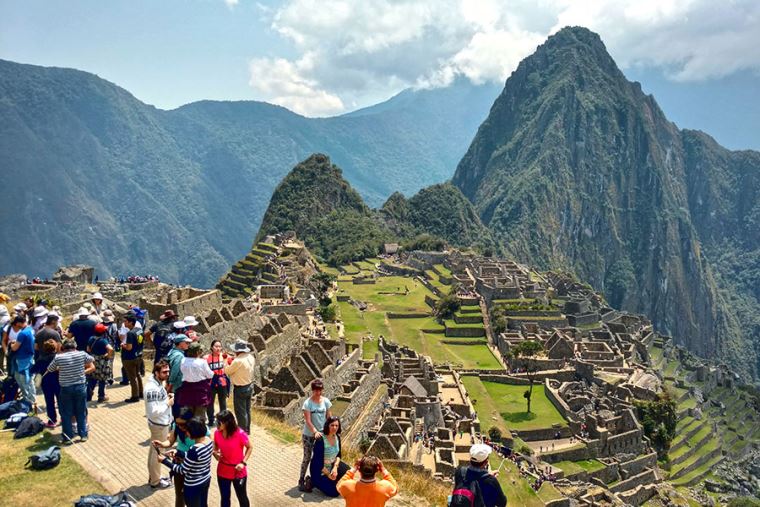
12. Machu Picchu Was Designed in Perfect Harmony with the Mountains
Machu Picchu is often celebrated for its impressive stonework, but its true brilliance lies in how seamlessly it blends with the surrounding landscape.
Rather than imposing their architecture on nature, Inca engineers designed the citadel to complement the mountains. Buildings align with nearby peaks, terraces follow the contours of the land, and sophisticated drainage systems continue to function remarkably well more than five centuries later.
The surrounding mountains including Huayna Picchu, Putucusi, and Machu Picchu Mountain were not simply dramatic scenery. They held deep spiritual significance and formed part of a carefully planned sacred landscape.
Visiting Machu Picchu becomes even more meaningful when viewed through this perspective. It is not just an archaeological masterpiece but a testament to a civilization that understood how to work in harmony with nature.
Expert Insight
Many visitors spend only a few hours at Machu Picchu before rushing back to Cusco. A slower itinerary that includes time in the Sacred Valley allows travelers to better understand the agricultural innovations, spiritual traditions, and engineering achievements that culminated in this extraordinary sanctuary.
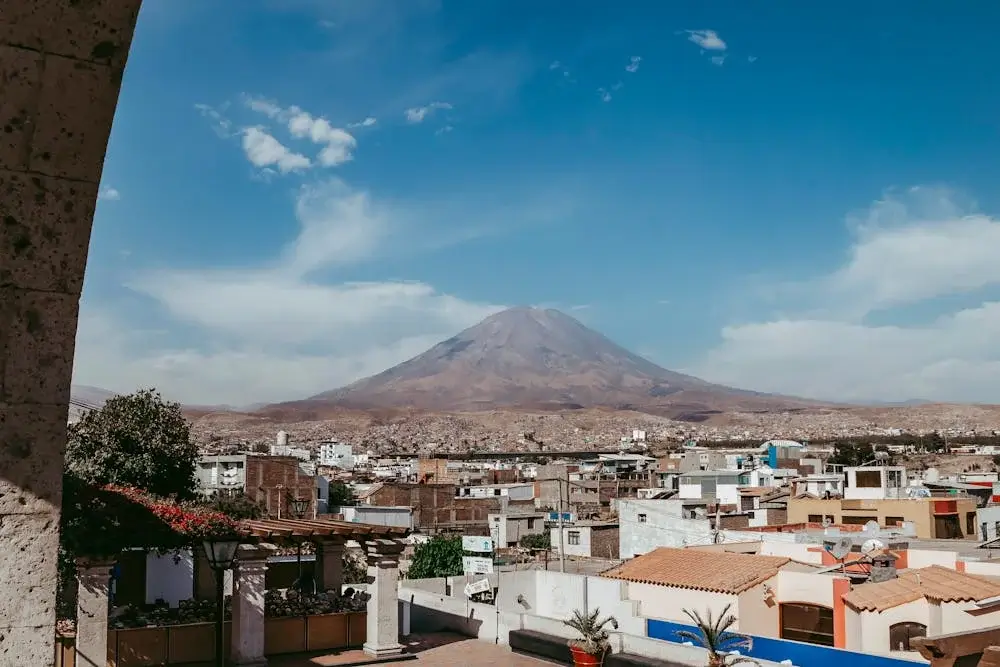
13. The Southern Andes Are Home to Spectacular Volcanoes
While snow-capped peaks often define people's image of the Andes, Southern Peru introduces another dramatic feature: volcanoes.
The region surrounding Arequipa is dominated by three magnificent volcanoes:
- Misti
- Chachani
- Pichu Pichu
Together, they create one of South America's most iconic skylines.
The volcanic activity that shaped these mountains also gave rise to fertile soils, unique geological formations, thermal springs, and the distinctive white volcanic stone known as sillar.
This brilliant stone has been used for centuries to construct Arequipa's churches, monasteries, mansions, and plazas, earning the city its nickname: The White City.
Travelers exploring the region quickly realize that these volcanoes are far more than scenic backdrops they have influenced architecture, agriculture, local identity, and even cuisine.
Did You Know?
The historic center of Arequipa is a UNESCO World Heritage Site largely because of its remarkable architecture built from locally quarried white volcanic stone.
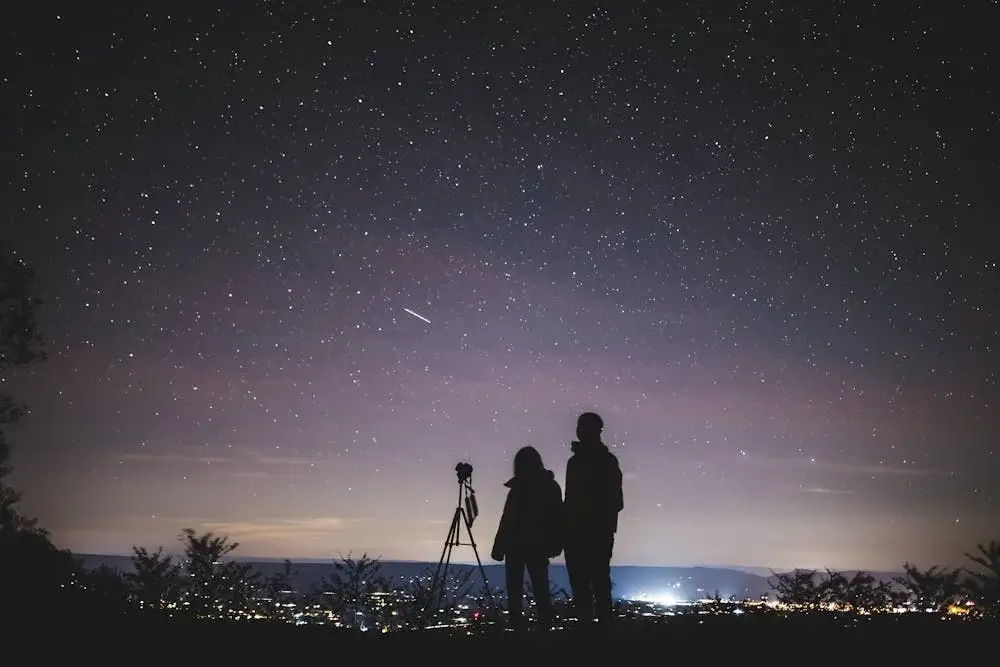
14. The Andes Offer Some of the World's Most Spectacular Night Skies
Far from major cities, the high Andes provide exceptional conditions for stargazing.
Clear skies, dry air, high elevations, and minimal light pollution create extraordinary visibility throughout much of the year.
For thousands of years, Andean civilizations carefully observed the stars to determine agricultural calendars, religious ceremonies, and seasonal changes.
Unlike many ancient cultures that identified constellations by connecting bright stars, the Incas also recognized dark constellations shapes formed by the shadows within the Milky Way.
Animals such as the llama, serpent, fox, and condor were believed to appear in these celestial silhouettes, reflecting the deep relationship between the heavens and life on Earth.
Today, spending an evening beneath the brilliant Andean sky offers travelers a rare opportunity to disconnect from modern life and reconnect with nature's rhythms.
Luxury Perspective
Several boutique lodges throughout Southern Peru offer private terraces where guests can enjoy astronomy experiences paired with local wines, gourmet dinners, or simply the peaceful silence of the mountains.
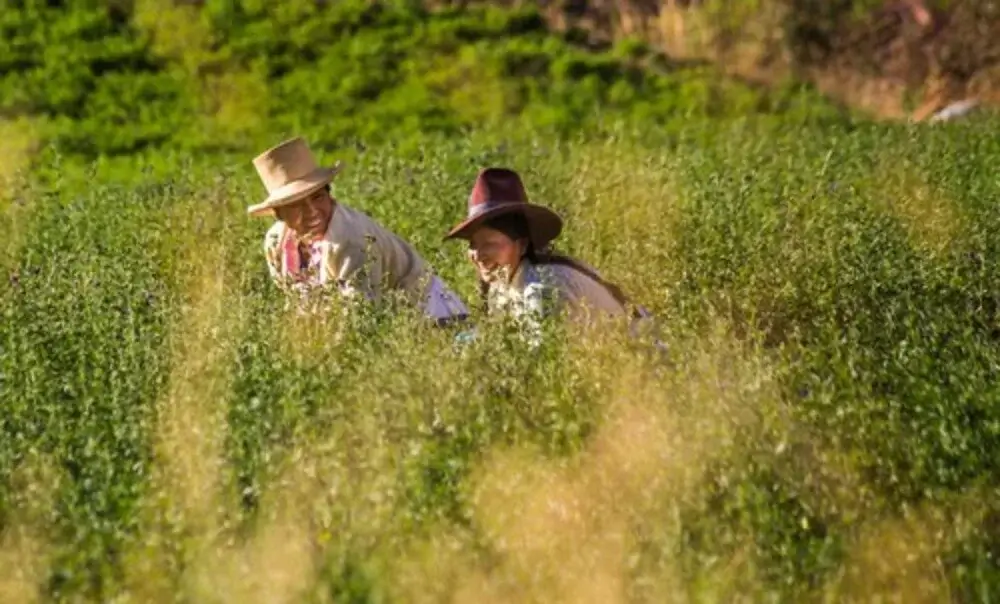
15. The Andes Continue to Shape Peru's Future
Although the Andes are deeply connected to ancient history, they remain central to Peru's future.
These mountains continue to provide water for millions of people, support countless farming communities, preserve extraordinary biodiversity, and inspire artists, chefs, scientists, and conservationists around the world.
At the same time, the Andes face important environmental challenges.
Climate change is accelerating the retreat of tropical glaciers, altering water supplies and affecting fragile ecosystems. Conservation initiatives, sustainable agriculture, and responsible tourism all play an important role in protecting these landscapes for future generations.
Thoughtfully designed travel experiences can contribute positively by supporting local guides, family-owned businesses, artisan communities, conservation projects, and cultural preservation efforts.
Every meaningful journey through the Andes becomes an opportunity not only to discover extraordinary places but also to help protect them.
The Andes at a Glance
| Feature | Why It Matters |
|---|---|
| Length | The world's longest continental mountain range |
| Countries | Crosses seven South American nations |
| Biodiversity | One of Earth's richest biodiversity hotspots |
| Agriculture | Birthplace of thousands of native crops |
| Culture | Home to ancient civilizations and living Indigenous traditions |
| Wildlife | Condors, alpacas, vicuñas, spectacled bears, and more |
| Landscapes | Volcanoes, glaciers, canyons, valleys, and cloud forests |
| Travel | Combines culture, gastronomy, history, and luxury experiences |
Frequently Asked Questions About the Andes Mountains
Where are the Andes Mountains located?
The Andes stretch along the western coast of South America, passing through Venezuela, Colombia, Ecuador, Peru, Bolivia, Chile, and Argentina.
How long are the Andes Mountains?
The Andes extend approximately 7,000 kilometers (4,350 miles), making them the longest continental mountain range on Earth.
What is the highest mountain in the Andes?
Aconcagua, located in Argentina, reaches 6,961 meters (22,838 feet) above sea level and is the highest peak in both the Andes and the Western Hemisphere.
Why are the Andes Mountains famous?
The Andes are renowned for their breathtaking scenery, ancient civilizations, extraordinary biodiversity, iconic destinations such as Machu Picchu, and their influence on South America's culture, agriculture, and gastronomy.
Is Machu Picchu in the Andes?
Yes. Machu Picchu is located high in the Peruvian Andes, surrounded by dramatic mountain peaks and cloud forests.
What animals live in the Andes?
The Andes are home to llamas, alpacas, vicuñas, Andean condors, spectacled bears, pumas, foxes, hummingbirds, and thousands of other species.
Can you visit the Andes without hiking?
Absolutely. Many of Peru's most spectacular Andean destinations can be explored through private guided tours, scenic drives, luxury trains, boutique hotels, and comfortable walking experiences suitable for a wide range of travelers.
What is the best time to visit the Andes in Peru?
The dry season, from May to October, generally offers sunny days and clear mountain views, making it one of the best times to explore Southern Peru.
How do travelers adjust to the altitude?
Gradual acclimatization is the key. Many visitors begin their journey in Arequipa before continuing to the Colca Canyon, Cusco, and the Sacred Valley, allowing the body to adapt comfortably while enjoying each destination. (Read our full blog on Altitude Sickness)
Why should I explore the Southern Andes instead of only visiting Machu Picchu?
The Southern Andes offer a richer and more complete experience. Beyond Machu Picchu, travelers can discover volcanic landscapes, one of the world's deepest canyons, vibrant colonial cities, exceptional cuisine, traditional Andean communities, and extraordinary wildlife all while enjoying a slower, more immersive pace of travel.
Experience the Andes Beyond the Guidebooks
The Andes are much more than a mountain range. They are the backbone of South America, the birthplace of remarkable civilizations, the source of extraordinary biodiversity, and the foundation of one of the world's most celebrated culinary traditions.
Every valley, volcano, glacier, and ancient trail tells a story shaped over thousands of years. Whether you find yourself watching condors soar above the Colca Canyon, wandering through the timeless streets of Arequipa, exploring the Sacred Valley's agricultural terraces, or standing in awe before Machu Picchu, you'll discover that the Andes are not simply a destination they are an experience that transforms the way you see the world.
The true beauty of these mountains lies not only in their spectacular landscapes but also in the people who continue to preserve their traditions, protect their ecosystems, and share their culture with genuine warmth and pride.
Traveling through the Andes is an invitation to slow down, embrace curiosity, and connect with one of the most fascinating regions on Earth.
Discover the Andes with Andean Travel Experience
The most memorable journeys through Peru are never rushed. They are thoughtfully designed around your interests, your pace, and the experiences that matter most to you.
Whether you dream of exploring Arequipa's volcanic landscapes, witnessing the majestic Andean condor in the Colca Canyon, discovering the rich history of Cusco and the Sacred Valley, or experiencing the wonder of Machu Picchu, our travel designers create personalized itineraries that combine authentic cultural encounters with exceptional comfort.
From boutique hotels and private guides to exclusive culinary experiences and seamless logistics, every journey is tailored to help you experience the Andes in a meaningful and unforgettable way.
Ready to start planning your private journey through Peru? Contact our travel specialists and let us design an itinerary inspired by the extraordinary landscapes, cultures, and traditions of the Andes.