
Long before telescopes and modern observatories, the Incas looked to the night sky not simply for wonder, but for guidance. In the high Andes of Peru where mountains meet constellations astronomy was a practical science, a spiritual language, and a way to understand the rhythms of life.
For the Incas, the stars were not distant objects. They were living references, deeply connected to agriculture, water, animals, and seasonal cycles. Even today, traces of this ancient knowledge remain visible in Cusco, the Sacred Valley, and sites like Machu Picchu inviting travelers to experience the Andes through a celestial lens.
“To understand the Andes, one must look both at the earth beneath their feet and the sky above their heads.”
This article explores Inca astronomy, its unique worldview, its dark constellations, and how modern travelers can still experience this extraordinary legacy.
1. The Foundations of Inca Astronomy
Inca astronomy developed from careful observation of natural cycles, rather than abstract theory. Scholars and ethnographers agree that celestial observation played a key role in:
- Agricultural planning
- Religious ceremonies
- Seasonal migration of animals
- Ritual calendars
The Incas did not separate science from spirituality. Astronomy, agriculture, and cosmology formed a single integrated system that guided everyday life.
2. The Milky Way as a Sacred River (Willka Mayu)
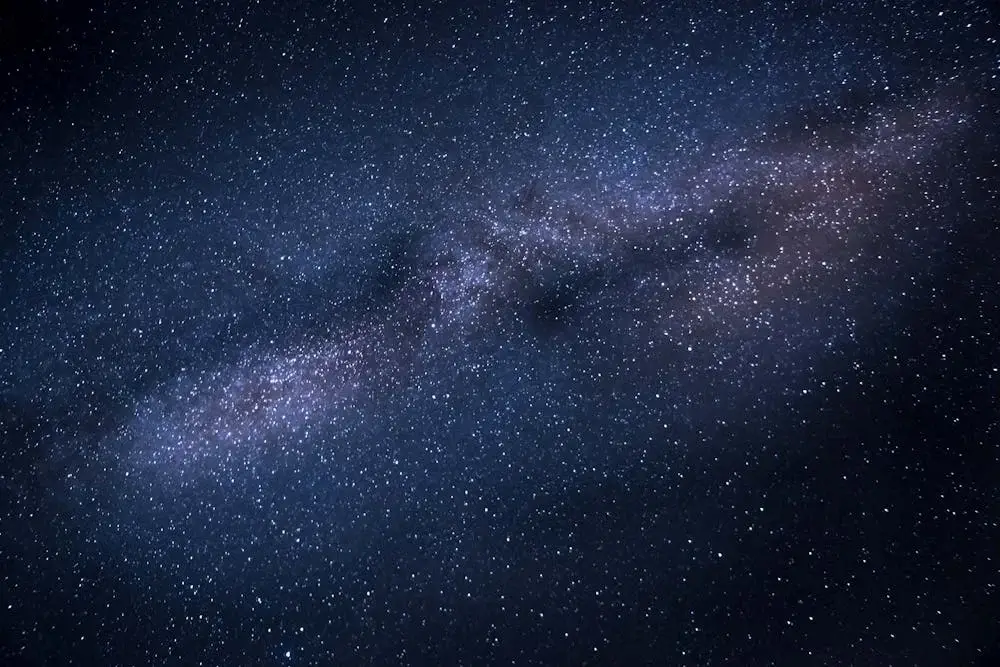
The Incas referred to the Milky Way as Willka Mayu, meaning Sacred River. Rather than focusing only on stars, they observed the dark clouds within the Milky Way, interpreting them as living beings.
This celestial river was believed to mirror the Vilcanota–Urubamba River on Earth reinforcing the idea that what happens in the sky is reflected in the natural world.
This mirrored relationship between sky and earth is a recurring theme in Andean cosmology.
→ Explore the Inca Heritage: 15 Fascinating Facts about the Inca Civilization
3. Light Constellations vs. Dark Constellations
One of the most distinctive aspects of Inca astronomy is the recognition of two types of constellations:
Light Constellations
- Formed by bright stars
- Similar to Western constellations
- Included star clusters such as the Pleiades, which were closely observed for agricultural indicators
Dark Constellations
- Formed by dark patches within the Milky Way
- Considered animate (living) beings
- Unique to Andean cosmology
This dual system sets Inca astronomy apart from all other ancient civilizations.
4. The Dark Constellations of Inca Astronomy
Ethnographic research identifies several key dark constellations, each associated with natural and seasonal phenomena:
- Mach’aqway (Serpent): Associated with water and the underworld
- Hamp’atu (Toad): Linked to rainfall and planting season
- Lluthu / Yutu (Partridge or Tinamou): Connected to harvest cycles
- Yana Llama (Black Llama): One of the most prominent constellations, associated with pastoral life
- Atoq (Fox): Often linked to crop protection and balance
These constellations were observed at specific times of year, helping Andean communities anticipate environmental changes.
5. Astronomy, Agriculture, and Seasonal Cycles
Astronomy in the Andes was deeply practical. Observations of the sky helped determine:
- When to plant and harvest
- Seasonal rainfall patterns
- Altitude-based agricultural decisions
For example, changes in the visibility of certain constellations were interpreted as signs of favorable or difficult agricultural years knowledge that continues to influence Andean communities today.
→ The Chasquis of the Inca Empire: Masters of Communication in Ancient Peru
6. Sacred Sites and Celestial Alignment
Many Inca sites demonstrate astronomical awareness, though interpretations must remain cautious and evidence-based.
- Sites commonly associated with celestial observation include:
- Machu Picchu: solar alignments and ritual architecture
- Cusco: horizon markers and radial urban planning
- Intihuatana stones associated with solar observation
Archaeologists suggest these sites functioned as ceremonial spaces where astronomical observation supported ritual and agricultural planning.
7. Experiencing Inca Astronomy in Cusco Today
Modern travelers can still connect with this ancient knowledge through curated experiences, including:
- Guided visits to Cusco Planetarium
- Stargazing in the Sacred Valley
- Cultural walks with Andean specialists
- Luxury trekking experiences under pristine night skies
✨ At Andean Travel Experience, we design journeys that reveal not only Peru’s landscapes but its ancient wisdom.
8. Why Inca Astronomy Still Matters
Inca astronomy offers a powerful reminder that humanity once viewed nature as an interconnected system. Today, this perspective resonates strongly with travelers seeking:
- Meaningful cultural immersion
- Sustainable travel values
- Deeper understanding beyond sightseeing
Understanding the sky as the Incas did invites us to slow down, observe, and reconnect.
FAQs About Inca Astronomy
Did the Incas use telescopes?
No. Observations were made with the naked eye over generations.
Are dark constellations unique to the Incas?
They are primarily associated with Andean cultures and are rare in other astronomical traditions.
Can travelers see these constellations today?
Yes, under clear skies in the Andes, especially in low-light areas.
Discover the sky as the Incas once did.
At Andean Travel Experience, we don’t just design journeys we curate profound encounters with Peru’s living history. From sacred observatories in Cusco to starlit nights in the Sacred Valley, our tailor-made experiences invite you to explore Inca astronomy through culture, landscape, and timeless Andean wisdom.
✨ Walk ancient paths.
✨ Read the stars with local experts.
✨ Travel in comfort, depth, and authenticity.