
Few destinations on Earth stir the imagination like Machu Picchu. Suspended between misty Andean peaks and ancient stone terraces, this legendary citadel delivers both visual drama and a sense of profound discovery. Yet before stepping into this masterpiece of Inca engineering, travelers often ask one crucial question: Will the altitude affect me?
Understanding elevation is the key to enjoying a seamless journey in Peru. With thoughtful planning, acclimatization strategies, and expert guidance, altitude becomes part of the adventure not a barrier. This guide reveals everything you need to know about Machu Picchu’s altitude so you can explore confidently, comfortably, and in style.
1. What Is the Altitude of Machu Picchu?
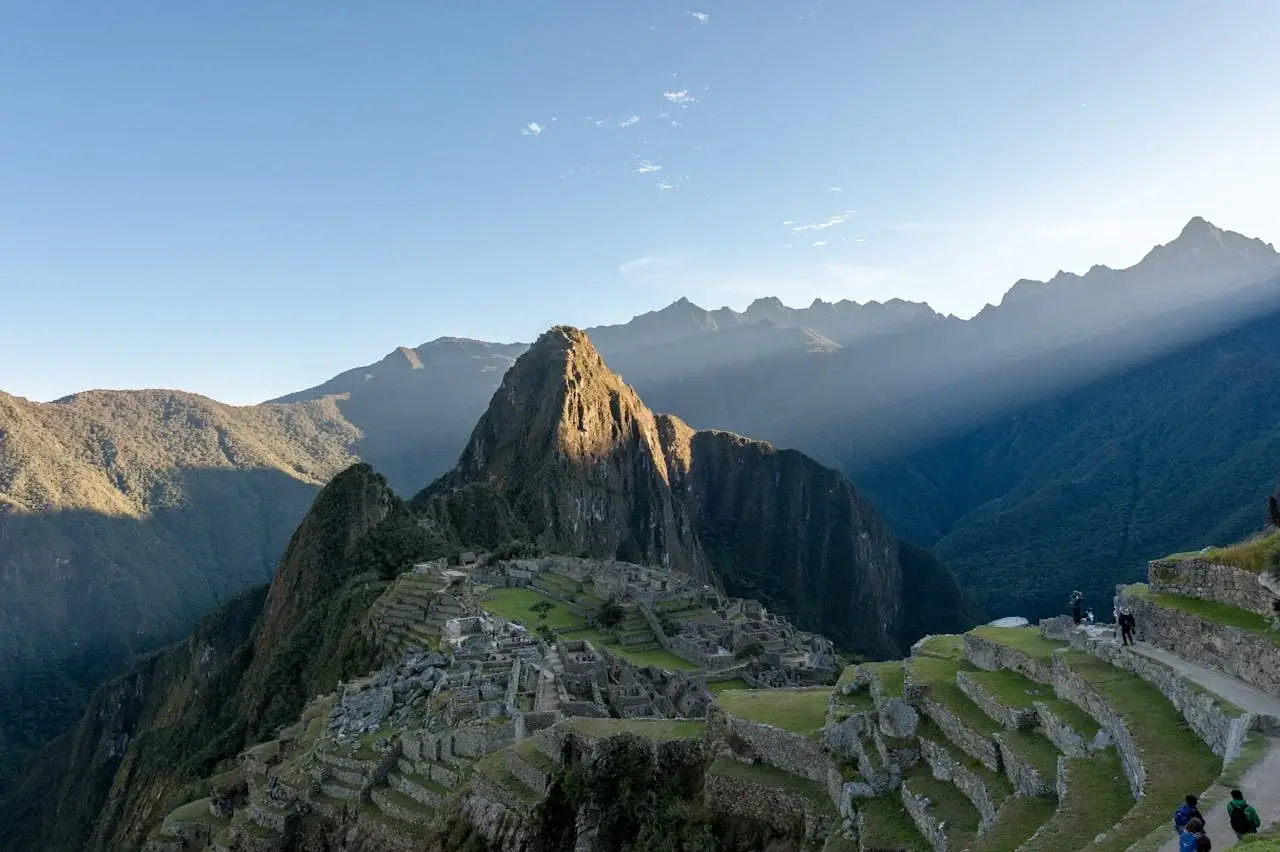
Machu Picchu sits at approximately 2,430 meters (7,972 ft) above sea level.
This elevation is considered moderate altitude, not extreme. Many travelers feel comfortable here, especially compared to higher Andean destinations.
Nearby peaks, including Huayna Picchu, rise significantly higher, reaching elevations above 2,600 meters (8,500+ ft).
Traveler Insight:
“For most visitors, Machu Picchu itself feels surprisingly comfortable once acclimatized.”
2. How High Is Too High? Understanding Elevation Effects
Altitude affects individuals differently. Scientific and medical sources generally note that noticeable altitude effects can begin around 2,000 meters (6,561 ft).
Factors influencing response include:
Rate of ascent
Hydration levels
Sleep quality
Individual physiology
Important: Experiencing symptoms is possible but not guaranteed. Many travelers report none at all.
3. Machu Picchu vs. Cusco Altitude Comparison
| Destination | Elevation |
|---|---|
| Cusco | ~3,400 m / 11,152 ft |
| Sacred Valley | ~2,800 m / 9,186 ft |
| Machu Picchu | ~2,430 m / 7,972 ft |
Interestingly, Machu Picchu is lower than both Cusco and the Sacred Valley, meaning many travelers feel better there after acclimatizing elsewhere first.
→ Machu Picchu vs Cusco Elevation
4. Symptoms Travelers May Experience
Possible altitude-related symptoms include:
Headache
Fatigue
Dizziness
Nausea
Difficulty sleeping
These are general symptoms associated with elevation changes and do not necessarily occur for every traveler.
5. Proven Ways to Prepare for High Altitude
Experienced luxury travelers often follow these preparation principles:
Before arrival
Consult a physician if you have health concerns
Stay well hydrated before flying
Upon arrival
Rest first day
Eat light meals
Avoid alcohol initially
During exploration
Walk slowly
Breathe deeply
Drink water regularly
→ How to Avoid Altitude Sickness in Cusco
6. Best Acclimatization Itinerary Strategy
One of the most effective approaches is ascending gradually.
Recommended elevation flow
Arrive in Sacred Valley
Visit Machu Picchu
Continue to Cusco
This approach allows your body to adjust naturally.
7. Trekking vs Train Travelers; Does It Matter?
Yes, sometimes.
| Travel Style | Altitude Impact |
|---|---|
| Train + guided visit | Lower exertion, easier adjustment |
| Multi-day trek | Higher exertion, more preparation needed |
Trekkers should allow extra acclimatization days before hiking.
8. Luxury Travel Tips for Comfort at Altitude
At Andean Travel Experience, we prioritize seamless comfort in high-altitude destinations.
Preferred comfort strategies
Private transfers to reduce exertion
Carefully paced itineraries
Premium hotels with oxygen available
Expert guides trained in altitude awareness
9. What Happens If You Feel Unwell?
If you experience discomfort:
Pause activity
Hydrate
Inform your guide
Rest
In more serious situations, descending to a lower elevation is widely recommended as a precautionary measure.
Local hospitality providers often offer traditional herbal teas such as coca infusion, which travelers commonly try as part of cultural experience.
10. Expert Travel Takeaways
Altitude at Machu Picchu in a nutshell
It’s high but not extreme
Most visitors adapt easily
Preparation dramatically improves comfort
Gradual ascent is the best strategy
Golden Rule:
“Altitude is not about strength it’s about pacing.”
11. FAQs About Machu Picchu Altitude
Is Machu Picchu considered high altitude?
It is generally classified as moderate altitude.
Do fit people avoid altitude symptoms?
Fitness does not guarantee immunity; response varies by individual.
Is altitude worse in Cusco or Machu Picchu?
Cusco is higher and more likely to trigger symptoms.
How long does acclimatization take?
Many travelers adapt within 24–72 hours.
Altitude is simply part of the Andean experience a reminder that you’re standing somewhere extraordinary. With thoughtful preparation and expert planning, your journey to Machu Picchu becomes not just comfortable, but unforgettable.
Contact us now to start planning your dream Machu Picchu Tour.