
Traveling through Peru is not only about iconic landmarks such as Machu Picchu or the Sacred Valley; it is also about discovering the living culture that thrives in everyday spaces. Among the most immersive and rewarding experiences are the traditional markets of Peru vibrant centers where history, gastronomy, craftsmanship, and local life converge.
At Andean Travel Experience, we believe true luxury lies in authentic encounters. Peru’s markets offer precisely that: a sensory journey through colors, aromas, textures, and stories that reveal the country’s cultural depth. Whether you are an experienced traveler, a curious adventurer, or a family seeking meaningful connections, exploring Peru’s best markets offers an unparalleled way to understand the destination beyond the surface.
“A market is not just a place to shop it is a living reflection of a destination’s identity.”
Why Visiting Markets in Peru Is a Must
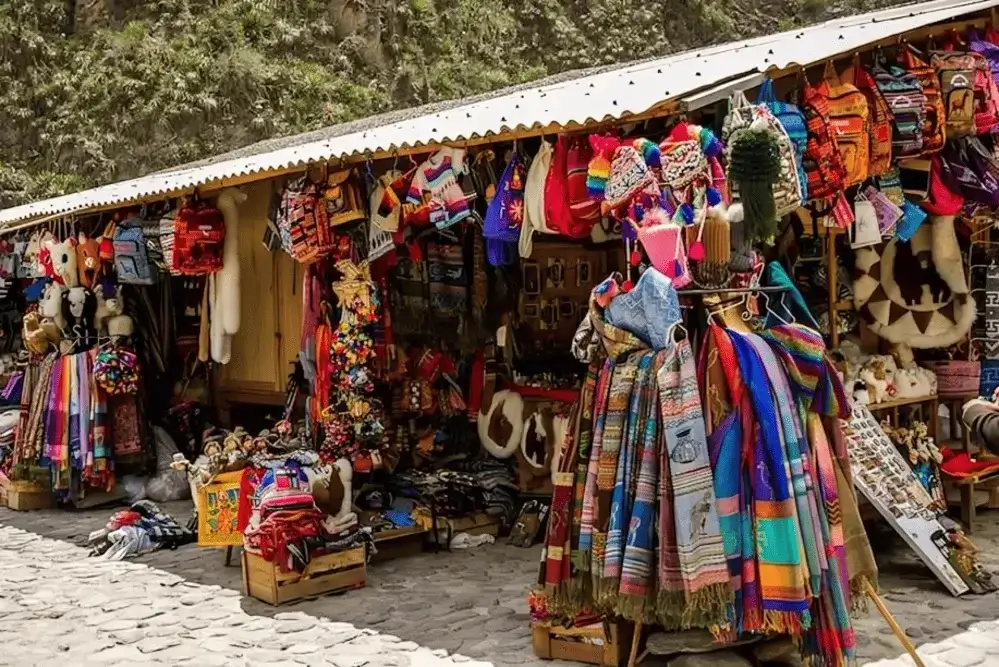
Local markets in Peru are far more than commercial spaces. They are social hubs where families gather, traditions are preserved, and regional economies flourish. Visiting these markets allows travelers to observe daily life, interact with artisans and farmers, and gain insight into Peru’s diverse geography from the Andes to the coast.
By choosing to explore traditional markets, travelers also contribute directly to local communities. Many vendors rely on market sales as their primary source of income, helping sustain ancestral techniques such as alpaca weaving and natural dye production.
- 11-day travel itinerary Peru: Highlights of Peru
- Complete Cusco Exploration: Best Value with Total Peace of Mind
What Makes Peru’s Markets Unique
Peru’s markets stand out for their diversity and authenticity. Unlike highly curated shopping districts, these spaces retain their original purpose: serving local communities. As a visitor, you are stepping into a living environment where commerce, culture, and tradition coexist.
Key characteristics include:
- Regional biodiversity reflected in fresh produce
- Handcrafted goods rooted in ancestral knowledge
- A strong sense of community and cultural continuity
Peru Best Markets You Should Not Miss
San Pedro Market – Cusco
Located a short walk from Cusco’s Plaza de Armas, San Pedro Market is the city’s main food and produce market. Designed in the early 20th century, it remains a cornerstone of local life.
Here you will find:
- Fresh fruits, vegetables, cheeses, and Andean grains
- Traditional food stalls serving local dishes
- Handicrafts and everyday household goods
This market offers an authentic glimpse into Cusqueño daily life and is ideal for travelers seeking cultural immersion.
Pisac Market – Sacred Valley
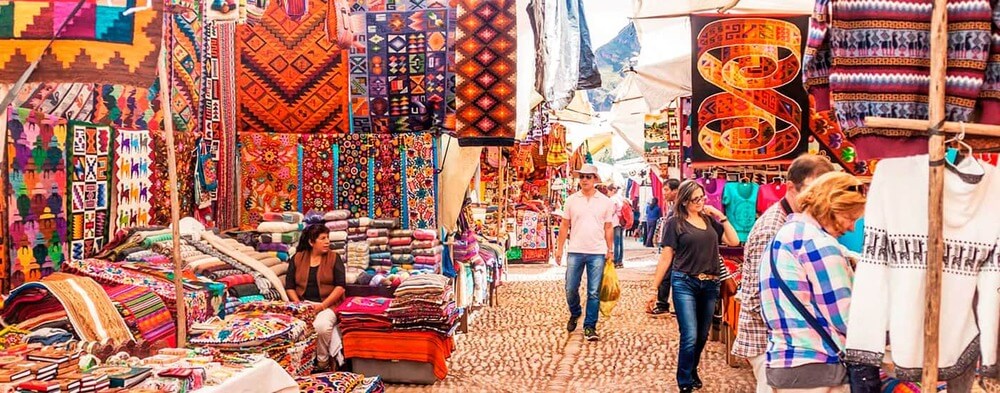
Pisac Market is one of the most iconic markets in Peru, particularly vibrant on Sundays when Quechua communities from surrounding villages gather to sell their goods.
Highlights include:
- Handwoven textiles and alpaca products
- Ceramics and silver jewelry
- A scenic setting in the Sacred Valley
Visiting Pisac combines cultural discovery with breathtaking landscapes, making it a favorite among experiential travelers.
Chinchero Market – Sacred Valley
Situated at high altitude, Chinchero is renowned for its deep-rooted textile traditions. The market is especially active on Sundays and is known for live weaving demonstrations.
What makes Chinchero special:
- Artisans openly demonstrate ancestral weaving techniques
- Natural dyes derived from plants and minerals
- Strong community-based craftsmanship
- This is one of the best places in Peru to purchase meaningful, story-rich textiles.
Inca Market of Miraflores – Lima
Located in Lima’s Miraflores district, the Inca Market offers a convenient introduction to Peruvian handicrafts, especially for travelers with limited time.
You will find:
- Alpaca clothing and accessories
- Silver jewelry and decorative crafts
- Souvenirs from across Peru
While more tourist-oriented, it provides a curated overview of Peruvian artisan traditions.
San Camilo Market – Arequipa
San Camilo Market is the main traditional market in Arequipa and a cultural landmark in its own right.
Known for:
- Freshly prepared fruit juices
- Regional products and spices
- A lively, local atmosphere
It is an essential stop for travelers interested in regional gastronomy and everyday life in southern Peru.
Unique Market Experiences Beyond the Main Cities
If you venture beyond Lima and Cusco, rural Sunday fairs and highland markets offer remarkable authenticity. These less-touristed markets may require extra travel, but reward visitors with deeper cultural exchange and one-of-a-kind pieces.
What to Buy at Peru’s Markets
Some of the most sought-after items include:
- Alpaca and sheep wool textiles
- Handcrafted silver jewelry
- Ceramics and decorative art
- Regional food products and spices
Each item reflects regional identity and artisanal expertise.
How to Identify Authentic Handicrafts
When shopping at markets, consider the following:
- Check materials: Alpaca wool is warm, soft, and never overly cheap
- Look at technique: Hand-woven items show small variations
- Be realistic about price: Extremely low prices often indicate factory production
- Ask questions: Authentic artisans are usually happy to explain their work
- Carry cash: Small bills in Peruvian soles are preferred
Practical Tips for Visiting Markets in Peru
- Visit early in the morning for a calmer experience
- Carry cash in small denominations
- Ask permission before photographing people
- Engage respectfully and show interest in the craft
- Best time to visit: Early morning (8–9 am) for fewer crowds
- Bargaining: Polite negotiation is expected smile and be respectful
- Payments: Cash in soles is safest
- Packing: Plan space for bulky textiles or ask about shipping
- Etiquette:
- Ask before photographing
- Use basic Spanish greetings
- Show interest in the craft, not just the price
Take a look at our guide on the Best time to visit Peru.
Frequently Asked Questions
Are markets in Peru safe to visit?
Markets are generally safe when visited during daytime hours and with basic precautions.
What is the best day to visit traditional markets?
Sundays are typically the most vibrant, especially in Pisac and Chinchero.
Can large items be shipped internationally?
Some vendors and cooperatives offer shipping services; arrangements should be confirmed in advance.
Exploring the markets in Peru means stepping into living traditions, tasting Andean flavors, and meeting the people who keep these cultures alive. From Cusco’s bustling San Pedro Market to the weaving villages of Chinchero, each market tells a story.
When planning your trip, make room for at least one market experience. Buy with intention, ask questions, and take home more than souvenirs take home stories, memories, and a deeper connection to Peru.