
Peru is globally celebrated for its ancient civilizations, dramatic landscapes, and refined gastronomy. Yet one of its most extraordinary treasures often surprises even seasoned travelers: Peruvian chocolate. Rooted in the Amazon basin and shaped by centuries of tradition, cacao in Peru is more than an ingredient it is a cultural legacy and a sensory journey.
For travelers seeking meaningful luxury, Peruvian chocolate offers an intimate way to explore the country’s biodiversity, history, and craftsmanship. From rainforest cacao groves to artisan bean-to-bar workshops, chocolate becomes a gateway into Peru’s living heritage.
At Andean Travel Experience, we curate journeys where every detail tells a story. Exploring Peruvian chocolate is not just about tasting it is about understanding origin, place, and people.
The Origins of Cacao in Peru
Scientific research places some of the earliest known uses of cacao in the Amazon basin, including regions within modern-day Peru. Archaeological findings suggest cacao was used thousands of years ago for beverages and ritual practices among indigenous communities.
While cacao later spread to Central America and Europe, Peru remains one of the world’s most historically significant cacao landscapes, offering travelers a direct connection to chocolate’s ancient roots.
Why Peruvian Chocolate Stands Out
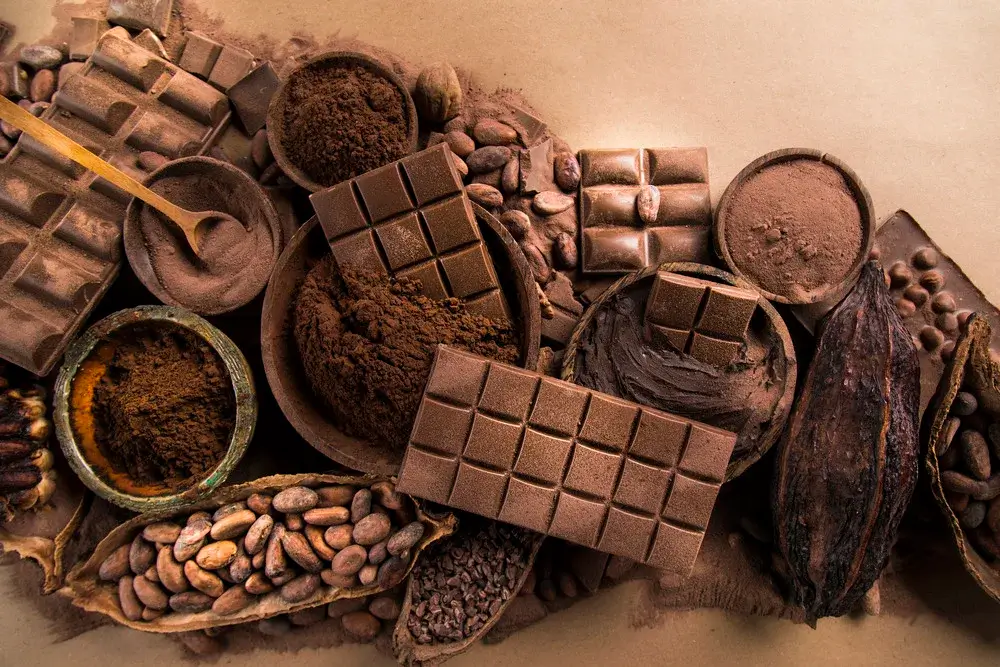
Peruvian chocolate has gained international recognition due to its exceptional diversity and quality, rather than mass production. What makes it distinctive includes:
- One of the world’s richest cacao genetic pools
- Diverse microclimates influencing flavor profiles
- Small-batch, artisan production
- Increasing focus on traceability and origin
- Rather than uniform taste, Peruvian chocolate expresses terroir, much like fine wine or coffee.
“In Peru, chocolate reflects the land as much as the hands that craft it.”
Peru’s Main Cacao-Growing Regions
Peru’s geography allows cacao to grow across multiple ecosystems, each contributing unique characteristics.
Amazon Rainforest
Cacao from Amazonian regions is often associated with fruity, floral, and aromatic notes, influenced by tropical humidity and rich soils.
Andean Foothills and Cusco Region
Lower jungle valleys near the Andes produce cacao with balanced and nuanced profiles, shaped by altitude and temperature variation.
Northern Peru (Piura and Marañón)
These regions are frequently cited for rare cacao varieties and refined flavor expressions valued by artisan chocolatiers.
Flavor profiles vary depending on farming and production techniques.

From Bean to Bar: How Peruvian Chocolate Is Made
Many Peruvian chocolatiers follow a bean-to-bar approach, maintaining control over each stage of production:
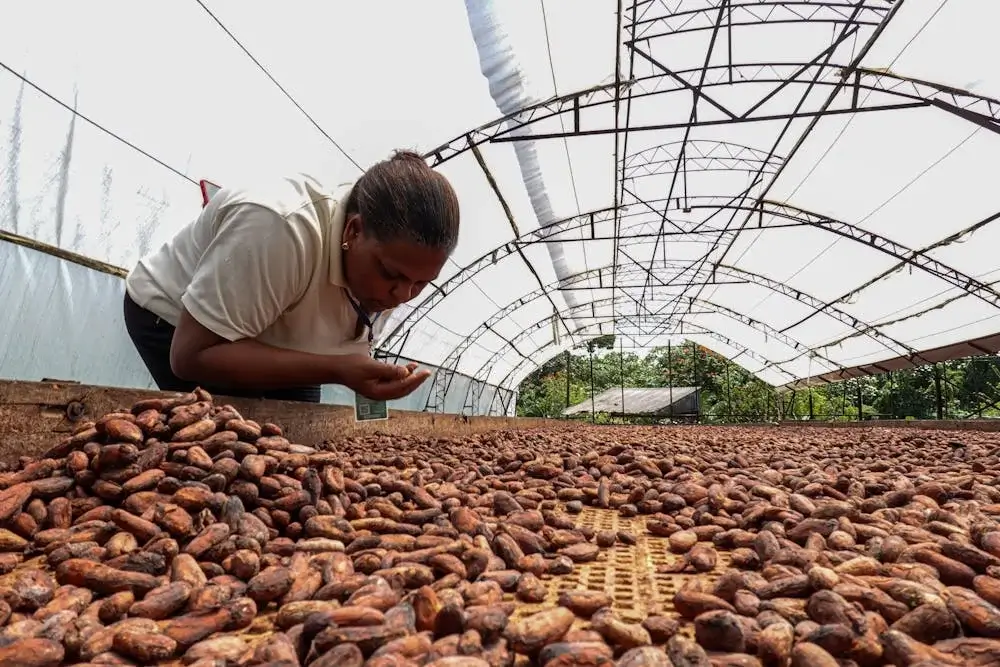
- Harvesting ripe cacao pods by hand
- Fermenting and sun-drying the beans
- Small-batch roasting
- Grinding and slow conching
- Tempering and molding
This process preserves cacao’s natural characteristics and ensures quality at every step.
Types of Cacao Found in Peru
Peru is home to several cacao types commonly referenced in fine chocolate production:
- Criollo: Known for aromatic complexity and low bitterness
- Trinitario: A hybrid valued for balance and adaptability
- Native Amazonian varieties: Often locally named, reflecting Peru’s genetic diversity
- Taste varies more by terroir and craftsmanship than by variety alone.
Sustainability and Community-Based Cacao
Cacao cultivation in Peru is closely linked to agroforestry systems, where cacao grows alongside native plants. This approach supports biodiversity and long-term soil health.
Many cacao initiatives emphasize:
- Sustainable land management
- Community livelihoods
- Ethical sourcing practices
For travelers, these values add depth and purpose to cacao-based experiences.
Chocolate Experiences for Travelers in Peru
Chocolate tourism in Peru offers immersive and educational encounters, including:
- Bean-to-bar chocolate workshops
- Guided cacao farm visits
- Chocolate tastings led by local experts
- Culinary experiences incorporating cacao
These activities are particularly popular in Cusco, Lima, and Amazon regions, and can be seamlessly integrated into private itineraries.
Notable Peruvian Chocolate Brands
Peru hosts a growing number of artisan chocolate producers focused on quality and origin transparency. Travelers often encounter small-batch brands in specialty shops, local markets, and curated tasting experiences.
Brand availability may vary by region and season.
At Andean Travel Experience, chocolate experiences can be thoughtfully woven into luxury journeys, Chocolate becomes part of a broader story one that connects flavor, landscape, and culture.
Top Peruvian Chocolate Brands
Cacaosuyo
An award-winning Peruvian brand specializing in single-origin Amazonian cacao. Cacaosuyo works directly with native cacao varieties and small farmers, producing refined, high-quality chocolate bars celebrated internationally.
La Ibérica
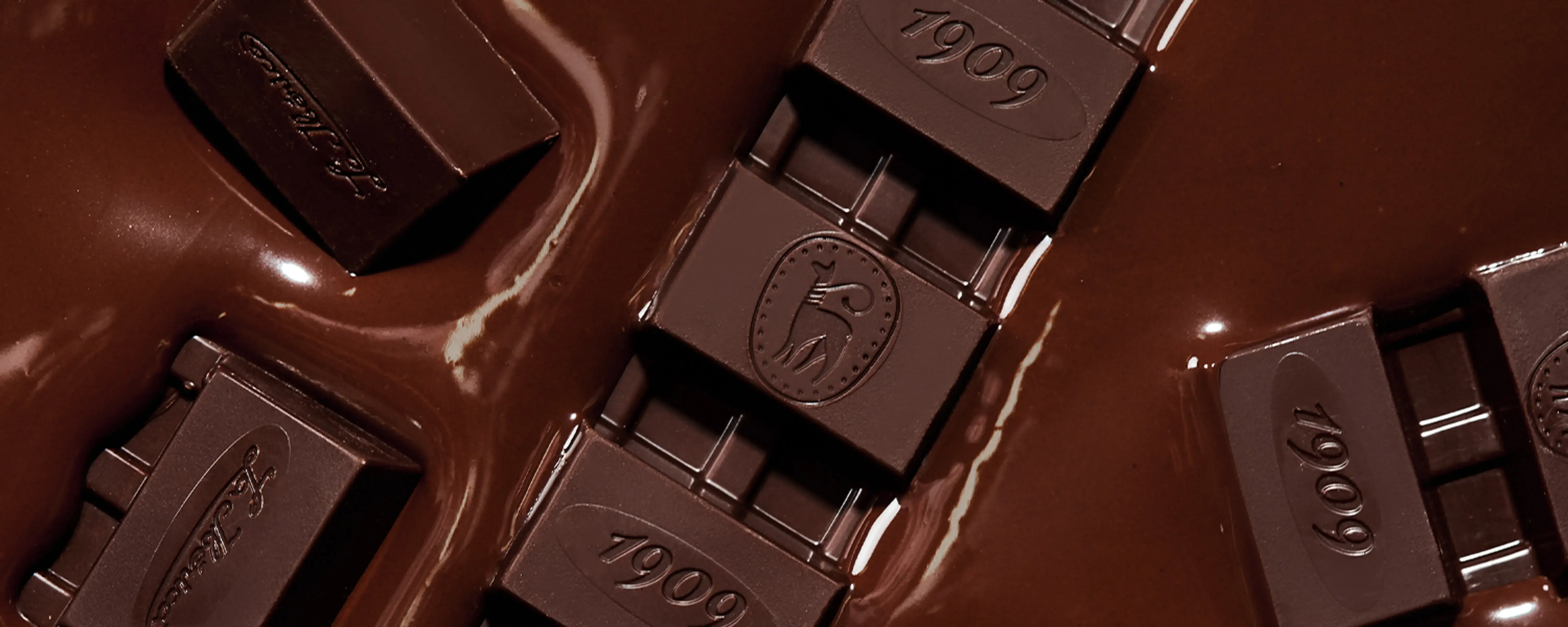
Founded in Arequipa in 1909, La Ibérica is one of Peru’s oldest and most iconic chocolate brands. Known for traditional recipes, premium cacao, and elegant gift boxes, it is a must-try for visitors to southern Peru.
Marana Chocolate
A pioneer in Peru’s bean-to-bar movement, Marana focuses on ethically sourced cacao from regions like Cusco and San Martín. Their chocolates highlight terroir, sustainability, and artisanal craftsmanship.
Orquídea Chocolates
A luxury artisan brand using native Peruvian cacao combined with natural Andean and Amazonian ingredients. Orquídea is known for elegant packaging and innovative flavor profiles inspired by Peru’s biodiversity.
Shattell Chocolates
A boutique Peruvian brand dedicated to organic, handcrafted chocolate. Shattell emphasizes small-batch production, sustainability, and high cacao percentages sourced from Peru’s rainforest regions.
ChocoMuseo (Chocomuseo)
More than a brand, ChocoMuseo is an immersive chocolate experience found in Cusco, Lima, and abroad. They produce artisanal chocolate while educating visitors about Peruvian cacao history and production.
Amazonas Chocolate
Focused on preserving native cacao from the Peruvian Amazon, this brand works closely with local communities and promotes biodiversity through ethically produced chocolate.
Frequently Asked Questions About Peruvian Chocolate
Is Peruvian chocolate considered high quality?
Peruvian chocolate is widely appreciated for its flavor diversity, artisanal production, and fine-flavor cacao varieties.
Where does cacao grow in Peru?
Cacao grows primarily in the Amazon basin, Andean foothills, and northern coastal regions such as Piura.
What makes Peruvian cacao unique?
Peru’s biodiversity, varied climates, and genetic cacao diversity contribute to a wide range of flavor profiles.
Can travelers visit cacao farms in Peru?
Yes. Some regions offer guided visits and educational experiences, often combined with tastings or workshops.
Are chocolate experiences suitable for families?
Many workshops and tastings are suitable for families, depending on location and format.
Can chocolate experiences be included in luxury tours?
Absolutely. Chocolate-focused activities integrate well into private, high-end travel itineraries.
Key Takeaways
- Peru is one of the world’s most important cacao origins
- Chocolate reflects Peru’s biodiversity and cultural heritage
- Artisan production enhances quality and authenticity
- Chocolate tourism adds depth to luxury travel
At Andean Travel Experience, we believe luxury travel should be personal, immersive, and unforgettable. Our tailor-made journeys allow you to explore Peru through its most authentic flavors combining chocolate experiences with cultural encounters, Amazon exploration, and refined gastronomy.
Ready to taste Peru from its origins?
Contact our travel specialists to design a customized itinerary that includes exclusive chocolate experiences, private cultural tours, and hand-selected accommodations crafted entirely around your interests.
Start planning your luxury journey to Peru today and let chocolate lead you into the heart of this remarkable destination.