
In Peru, history lives in every valley, woven textile, sacred temple, and ancient melody. And behind this tapestry lies an undeniable truth: Peruvian women have always been the heartbeat of the Andes preserving ancestral wisdom, protecting the environment, leading communities, and elevating Peruvian culture to the world.
From Indigenous leaders who stood fiercely against oppression, to contemporary voices championing sustainability, art, science, and social change their stories are a testament to courage, grace, and resilience across centuries.
At Andean Travel Experience, we celebrate these women not only through written history, but through immersive journeys that connect travelers with their living legacy master weavers, environmental guardians, artists, leaders, and innovators who continue to transform Peru today.
“To understand Peru, you must listen to the voices of its women the storytellers of time.”
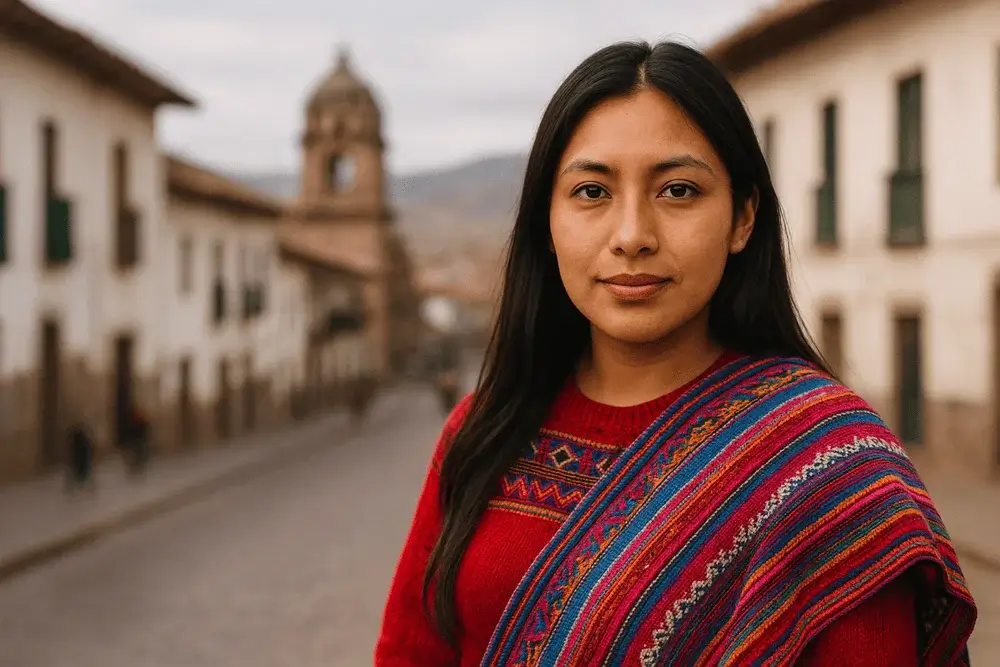
The Role of Women in Peruvian Society
Peruvian women have long been at the heart of the country's social, cultural, and economic life. Across the coast, Andes, and Amazon, they play essential roles as community leaders, entrepreneurs, educators, artisans, farmers, and guardians of ancestral traditions. Their contributions have helped preserve Peru's rich cultural identity while supporting the development of modern society.
In many rural and Indigenous communities, women are the primary keepers of traditional knowledge. They pass down Quechua and Aymara languages, ancient weaving techniques, agricultural practices, medicinal plant knowledge, and culinary traditions from one generation to the next. Through their daily work, they ensure that centuries-old customs continue to thrive in a rapidly changing world.
Today, women in Peru are also making significant contributions in business, science, education, politics, sports, and the arts. Female entrepreneurs are promoting sustainable tourism, local gastronomy, and handcrafted products that showcase Peru's cultural heritage while creating economic opportunities for their communities.
Women in the Inca Empire
Women played a fundamental role in the Inca Empire (Tawantinsuyu), contributing to the political, economic, religious, and social life of one of South America's greatest civilizations. While men often held military and administrative positions, women were respected for their leadership within families and communities, their expertise in textile production, agriculture, and religious ceremonies, and their role in preserving the traditions that sustained the empire.
In Inca society, complementary roles between men and women were considered essential for maintaining balance and harmony. This principle, known as yanantin, emphasized cooperation rather than hierarchy, with both genders contributing to the well-being of the community.
The Coya: The Queen of the Inca Empire
The Coya was the principal wife of the Sapa Inca and one of the most influential women in the empire. Beyond her ceremonial role, she participated in political affairs, managed royal estates, supervised charitable initiatives, and often acted as an advisor to the emperor. The Coya was also regarded as a spiritual leader and was associated with Mama Quilla, the Moon Goddess, who was revered as the protector of women, marriage, and fertility.
The Acllas: The Chosen Women
Among the most respected women in the empire were the Acllas, also known as the "Chosen Women." Selected from different regions of the empire for their skills and abilities, they lived in specialized institutions where they received education in weaving, food preparation, religious rituals, and the production of fine textiles known as cumbi. These exceptionally crafted fabrics were reserved for royalty, religious ceremonies, and diplomatic gifts, highlighting the importance of textile production in Inca society.
Daily Life and Lasting Legacy
Most Inca women played an essential role in everyday life by cultivating crops, caring for their families, raising livestock, preparing food, and weaving textiles that carried symbolic meanings and reflected the identity of their communities. Their knowledge of agriculture, medicinal plants, and traditional crafts was passed from one generation to the next, ensuring the continuity of Andean culture.
Today, many women in Peru continue these ancestral traditions. In communities throughout the Sacred Valley, Cusco, and Lake Titicaca, visitors can meet talented artisans who preserve ancient weaving techniques, natural dyeing methods, and cultural practices that have remained remarkably unchanged for centuries. These living traditions offer travelers a unique opportunity to experience the enduring legacy of the women of the Inca Empire while supporting sustainable tourism and local communities.
Indigenous Women Preserving Peru's Traditions
Across Peru's Andes, Amazon, and highland communities, Indigenous women are the guardians of traditions that have been passed down for centuries. Their knowledge, resilience, and deep connection to the land have helped preserve Peru's cultural identity through language, textiles, agriculture, music, gastronomy, and spiritual practices. Today, they continue to play a vital role in protecting their communities' heritage while sharing it with future generations.
Quechua Women: Keepers of Andean Heritage
The Quechua people, descendants of the Inca civilization, are one of Peru's largest Indigenous groups. Quechua women are renowned for preserving ancestral weaving techniques, traditional farming methods, and the Quechua language, which remains widely spoken throughout the Sacred Valley and other Andean regions.
Their handwoven textiles are more than beautiful works of art they tell stories through intricate patterns and symbols that represent mountains, rivers, animals, and the Andean worldview. In communities such as Chinchero, Patacancha, and Amaru, visitors can meet master weavers who continue to use natural dyes and techniques passed down from generation to generation.
Aymara Women: Guardians of Lake Titicaca's Culture
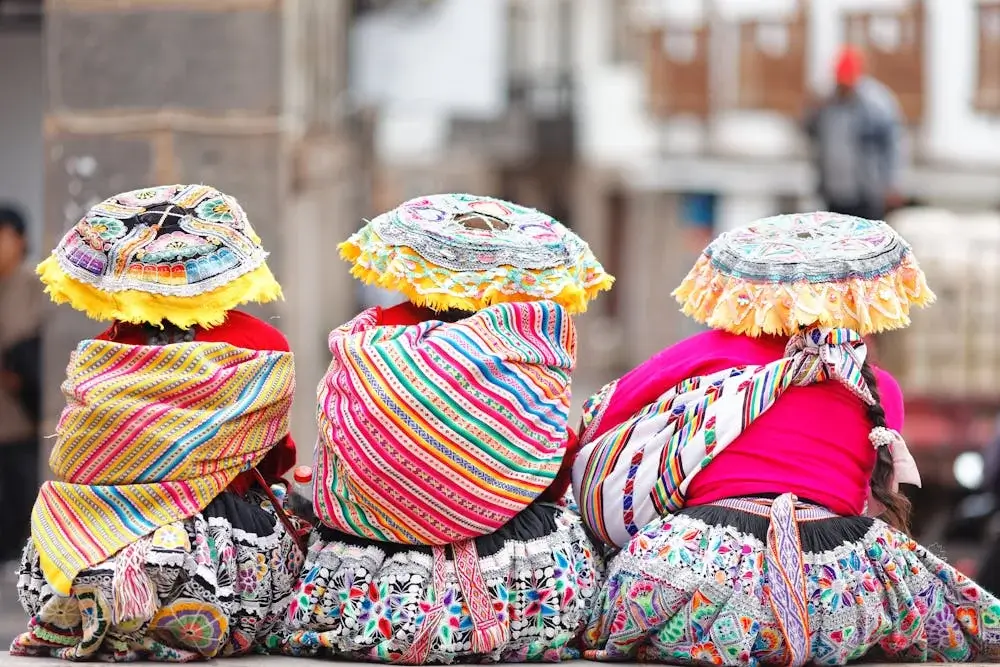
In the southern highlands of Peru, particularly around Lake Titicaca, Aymara women play a central role in preserving their community's customs and traditions. Known for their colorful layered skirts, beautifully embroidered shawls, and distinctive bowler hats, they continue to practice traditional weaving, agriculture, fishing, and local commerce.
Their participation in festivals, artisan markets, and community tourism initiatives helps protect the cultural identity of the Aymara people while creating sustainable economic opportunities for local families.
Indigenous Women in the Peruvian Amazon
Beyond the Andes, Indigenous women in the Peruvian Amazon safeguard centuries of ecological knowledge and cultural traditions. They are experts in medicinal plants, sustainable farming, natural crafts, and storytelling, maintaining a close relationship with the rainforest that has sustained their communities for generations.
Many Indigenous women also lead conservation and community-based tourism projects that promote environmental protection while offering visitors authentic opportunities to learn about Amazonian cultures and their deep respect for nature.
Women and Peru's Textile Heritage
Peru's textile traditions are among the oldest and most sophisticated in the world, with a history that dates back thousands of years. At the heart of this remarkable heritage are Peruvian women, whose skill, creativity, and dedication have preserved ancestral weaving techniques through countless generations. Today, these traditions remain a vibrant expression of cultural identity, connecting the past with the present.
For many Indigenous communities, weaving is far more than a craft—it is a language of symbols, history, and spirituality. Every color, pattern, and motif woven into a textile tells a story about nature, family, local beliefs, or the surrounding landscape. These handmade pieces reflect centuries of knowledge that continue to be passed from mothers and grandmothers to younger generations.
Traditional textiles are created using natural fibers such as alpaca, llama, and sheep's wool, often dyed with pigments extracted from native plants, flowers, minerals, and insects like the cochineal. Women carefully spin the fibers by hand before weaving them on traditional backstrap or foot looms, following techniques that have changed very little since pre-Columbian times.
Among the best-known weaving communities are Chinchero, Patacancha, and Pitumarca in the Sacred Valley, where visitors can witness every stage of the textile-making process. Local artisans proudly demonstrate how natural dyes are prepared, how intricate patterns are woven, and how each design reflects the history and identity of their community. These experiences provide travelers with a deeper appreciation for the artistry and cultural significance behind every handmade textile.
Beyond preserving tradition, textile production has become an important source of sustainable income for many rural families. Women-led weaving cooperatives have created opportunities for economic independence while protecting ancestral knowledge from disappearing. By purchasing authentic handmade textiles directly from local artisans, travelers help support community development and ensure that these centuries-old traditions continue to thrive.
Peruvian Women Abroad Teach Us
1) Education Changes Futures
Many migrated for studies then built global careers, families, and networks.
“A second language isn’t optional it’s a passport.”
Key Takeaway
Multilingual skills = confidence + opportunities + mobility
2) Innovation Without Borders
From psychology institutes in Italy to STEM platforms in Asia Peruvian women drive research, entrepreneurship, and cultural promotion abroad.
Examples of Global Impact
- Mental health centers
- Dance schools preserving folklore
- Women-in-STEM communities
- Cultural heritage initiatives
3) Strong Identity Travels With You
Whether learning new customs or teaching Peruvian dances abroad women blend cultures beautifully.
A cultural truth:
- We adapt we do not erase who we are.
4) Systemic Gaps Back Home
Some interviewees love Peru deeply yet cannot return due to limited research funding or career opportunities.
“Peru must invest in talent to bring talent back.”
5) Courage in the Face of Racism
Many faced discrimination abroad yet used it to grow, not retreat.
- Found support networks
- Built confidence
- Became advocates
The Women of Peru
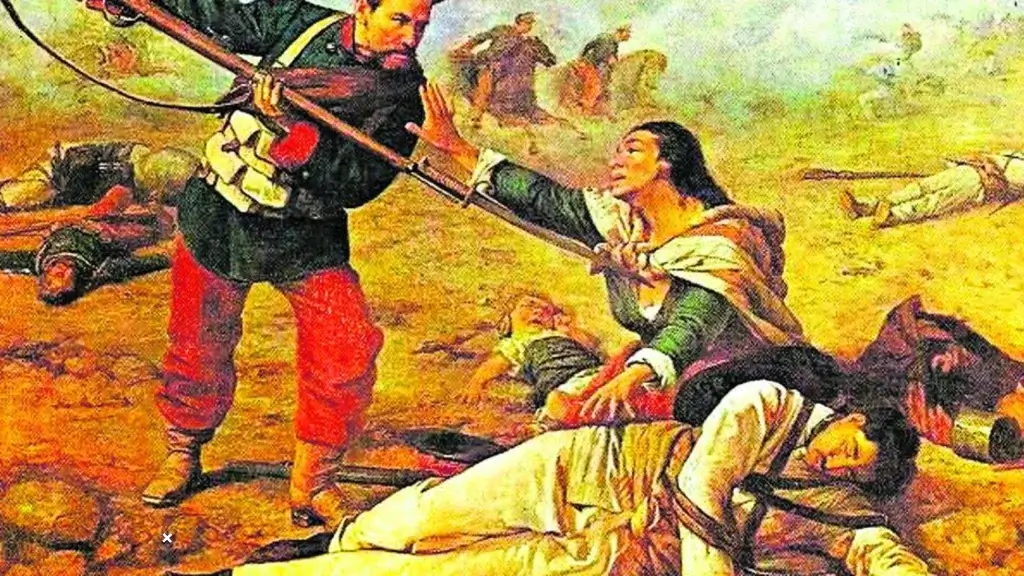
1. Micaela Bastidas The Andean Revolutionary
A visionary leader and one of the most powerful women in Peru’s history, Micaela Bastidas stood at the heart of the Andean independence movement in the 1780s. Her strategic intelligence, courage, and unwavering commitment to justice played a defining role in the early struggle for dignity and freedom in the Andes.
More than a revolutionary, she remains a timeless symbol of Indigenous strength, female leadership, and resistance against oppression.
Legacy Themes
- Indigenous pride
- Women in political resistance
- Leadership and sacrifice
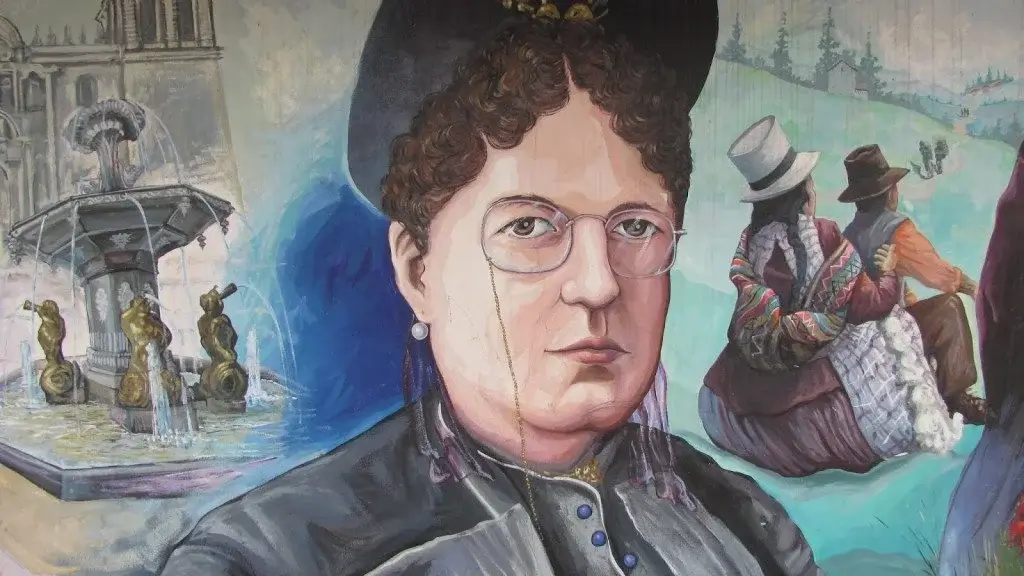
2. Clorinda Matto de Turner Literary Pioneer & Cultural Visionary
A trailblazing author and journalist, Clorinda Matto de Turner transformed the literary landscape of Peru. Through her bold storytelling, she challenged entrenched social hierarchies and gave visibility to Indigenous voices at a time when they were often excluded from national narratives.
Her work not only opened a new chapter in Peruvian literature it inspired future generations to explore identity, justice, and the Andean worldview through the written word.
Why She Matters
- Defender of Indigenous rights
- Feminist voice in 19th-century Peru
- Early storyteller of Andean culture
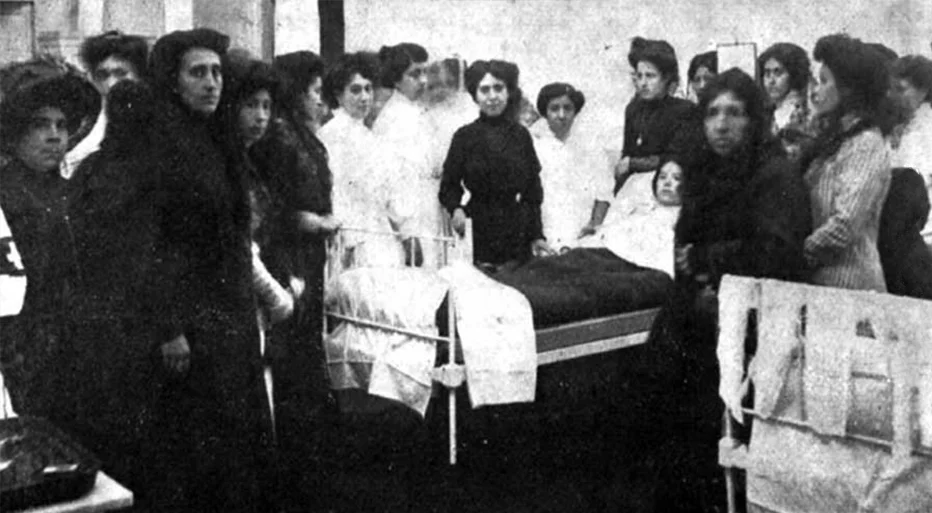
3. Laura Rodríguez Dulanto Peru’s First Female University Graduate
A visionary scholar who defied the limitations of her era, Laura Rodríguez Dulanto carved her name into history as the first woman to officially attend university in Peru. Her perseverance opened doors not only in academia but also in the world of medicine, setting a powerful precedent for women pursuing higher education and scientific careers.
Her legacy stands as a testament to intellectual courage, resilience, and the transformative power of access to education.
Key Contributions
- First Peruvian woman admitted to university
- Trailblazer in medical research
- Advocate for women’s education
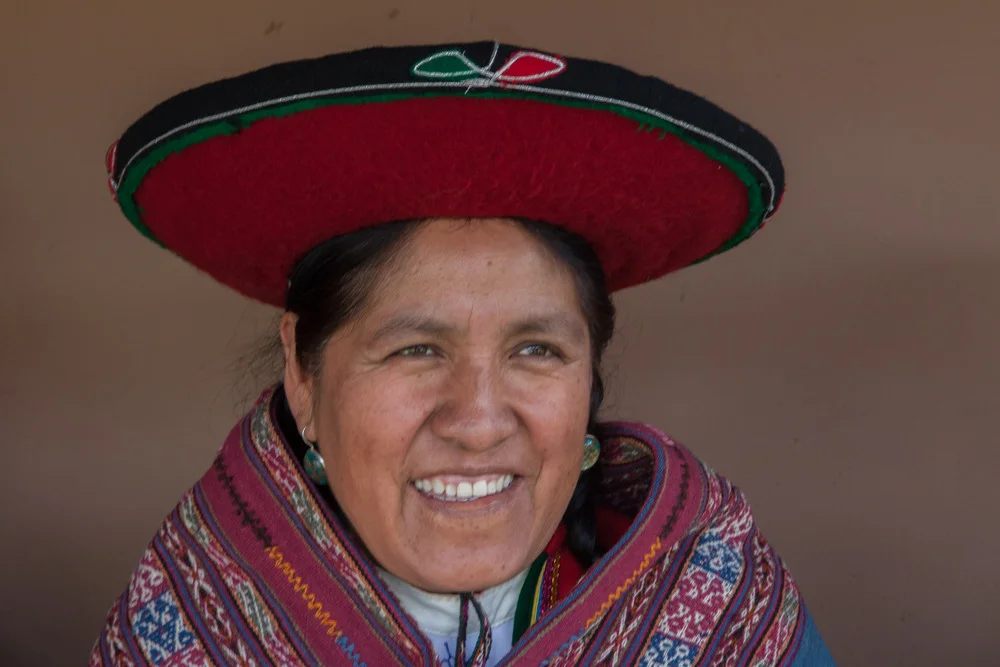
4. Nilda Callañaupa Master Weaver of the Sacred Valley
A guardian of ancestral knowledge, Nilda Callañaupa has dedicated her life to preserving the textile traditions of the Andes and uplifting Quechua women artisans. Through her leadership and vision, she has brought global recognition to the sophistication and symbolism of Andean weaving transforming heritage into sustainable opportunity for rural communities.
Today, she stands not only as a master weaver, but as a cultural ambassador who bridges generations, landscapes, and worlds through fiber and story.
Cultural Impact & Legacy
- Preserves ancient Quechua weaving techniques and iconography
- Empowers women through community-based cooperatives in Chinchero
- Elevates Andean textile art on the global cultural stage
Experience in Travel
Guests visiting Chinchero with us often meet the weavers keeping centuries-old techniques alive a deeply moving cultural encounter.
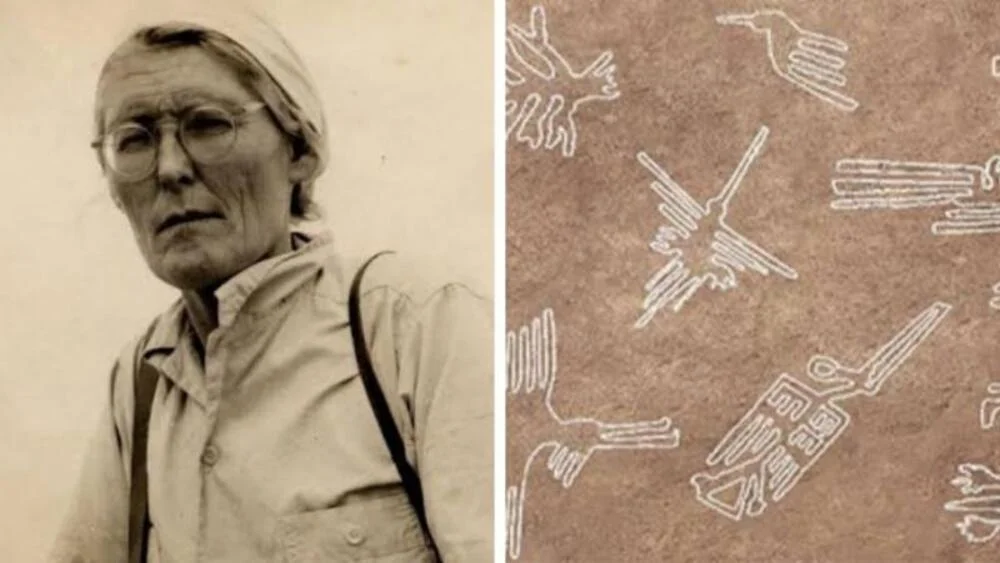
5. Ana María Cogorno Guardian of the Nazca Lines Legacy
Continuing the groundbreaking work begun by the legendary María Reiche, Ana María Cogorno has dedicated her life to safeguarding one of the world’s most extraordinary archaeological mysteries the Nazca Lines.
Through research, education, and cultural advocacy, she has helped protect this sacred desert canvas and ensure its preservation for future generations.
Her commitment serves as a bridge between ancient genius and modern understanding, honoring the vision of those who first traced monumental symbols into the earth.
Legacy & Cultural Role
- Collaborated closely with María Reiche in research and conservation
- Key advocate for protecting and interpreting the Nazca geoglyphs
- Promotes awareness of Peru’s archaeological heritage globally
Travel Insight
- Private expert-led tours enrich understanding of Peru’s most enigmatic UNESCO wonder. For travelers passionate about mystery, history, and human ingenuity, this is an unforgettable chapter of any Peruvian journey.
6. Sofía Mulanovich World Surf Champion
A global icon in surfing, Sofía Mulanovich carved her place in history by becoming Peru’s first world surf champion a milestone that elevated the nation onto the international sports stage. With grace, power, and relentless determination, she has inspired a new generation of women to pursue excellence in the ocean and beyond.
Her legacy continues through her leadership in surf education and mentorship programs, empowering young athletes to ride waves and life with confidence and courage.
Legacy & Athletic Impact
- First Peruvian woman crowned world surf champion
- Role model for female athletes in Latin America
- Advocate for youth development and ocean stewardship

Quick Facts About Peruvian Women
| Topic | Information |
|---|---|
| Languages | Spanish, Quechua, Aymara and many Amazonian Indigenous languages |
| Traditional Clothing | Polleras, llicllas, monteras, embroidered skirts, woven shawls |
| Traditional Activities | Textile weaving, farming, gastronomy, handicrafts, community leadership |
| Regions | Coast, Andes and Amazon |
| Cultural Heritage | Textile traditions, music, festivals, ancestral knowledge and cuisine |
Across Peru, women continue to shape the cultural and sustainable travel landscape from environmental defenders in the Amazon to chefs elevating ancestral cuisine, and artists preserving ancient crafts.
Travel becomes transformative when guided by human stories. Our itineraries highlight authentic cultural encounters, including:
✨ Textile workshops with Indigenous artisans
✨ Culinary journeys celebrating female chefs
✨ Encounters with historians & cultural leaders
✨ Eco-experiences guided by female naturalists
These experiences honor the living heritage of Peruvian women artisans, scholars, leaders, guardians of nature and memory.
Frequently Asked Questions
Why are Peruvian women culturally significant?
Peruvian women have played essential roles in preserving Indigenous identity, knowledge, arts, and social movements.
Can travelers meet local female leaders during a trip?
Yes we offer curated experiences connecting travelers with female artisans, historians, and cultural practitioners.
How can visitors support women in Peru?
- Purchase fair-trade textiles and crafts
- Book community-based travel experiences
- Support NGOs empowering Andean women
How do women contribute to sustainable tourism?
Women are at the forefront of sustainable tourism in Peru by leading artisan cooperatives, managing family-run accommodations, preserving traditional crafts, and guiding visitors through authentic cultural experiences. Their work helps protect local traditions while generating income that supports families and communities. Many women also promote environmental conservation through responsible farming, natural dye production, and community-based tourism initiatives that respect local ecosystems. By choosing experiences led by local women, travelers contribute directly to preserving Peru's cultural heritage and fostering sustainable economic development in rural communities.
Where can I meet local women artisans in Peru?
Travelers can meet talented women artisans in several regions of Peru, especially in the Sacred Valley, Cusco, and around Lake Titicaca. Communities such as Chinchero, Patacancha, Amaru, Taquile, and Amantaní are renowned for preserving traditional weaving, embroidery, and handicraft techniques passed down through generations. Visiting these communities offers an opportunity to learn directly from local artisans, observe ancient textile-making processes, and support women-led cooperatives by purchasing authentic handmade products that help sustain their cultural heritage.
What languages do Indigenous women speak?
Many Indigenous women in Peru are multilingual. While Spanish is the country's official language, millions of people also speak Quechua, the most widely spoken Indigenous language in the Andes, and Aymara, which is common around Lake Titicaca. In the Peruvian Amazon, numerous Indigenous communities speak their own native languages alongside Spanish. These languages are an essential part of Peru's cultural identity, and many women play a vital role in preserving them by teaching younger generations and incorporating them into daily life and community traditions.
Why are Peruvian textiles famous?
Peruvian textiles are celebrated worldwide for their exceptional craftsmanship, vibrant natural colors, and rich cultural symbolism. Many weaving traditions date back thousands of years, with techniques inherited from pre-Columbian civilizations, including the Inca. Skilled artisans use natural fibers such as alpaca, llama, and sheep's wool, along with plant- and mineral-based dyes, to create intricate designs that represent mountains, rivers, animals, and ancestral beliefs. Every handmade textile tells a unique story, making these creations not only beautiful works of art but also an important expression of Peru's living cultural heritage.
Peruvian women are more than guardians of the past they are shaping the future of Peru through their leadership, creativity, resilience, and commitment to preserving the country's extraordinary cultural heritage. From the vibrant communities of the Andes to the Amazon rainforest and the Pacific coast, their traditions continue to inspire new generations while strengthening sustainable tourism and local economies.
At Andean Travel Experience, we believe that the most meaningful journeys are those that connect travelers with the people who keep Peru's culture alive. Our tailor-made experiences offer opportunities to meet talented artisans, master weavers, community leaders, and local families, allowing you to discover the authentic stories behind Peru's rich traditions.
Travel deeper. Listen longer. Celebrate the women who keep the Andes alive.
Start Your Peru Trip Link in Bio. Contact us now and desing your intinerary.