
Long before modern highways crossed South America, the Incas built something far more ambitious: a vast, intelligent, and sacred road system that connected mountains, deserts, jungles, and civilizations. This network, known as the Qhapaq Ñan, or Royal Road of the Incas, was not merely a way to travel it was the backbone of an empire.
Stretching across thousands of kilometers and six modern countries, the Qhapaq Ñan represents one of the greatest infrastructure achievements of the pre-Hispanic world. Today, walking its surviving paths is one of the most profound travel experiences in the Andes an opportunity to step into living history while traversing some of South America’s most breathtaking landscapes.
At Andean Travel Experience, we believe that true luxury lies in connection: to place, culture, and meaning. Exploring the Qhapaq Ñan is exactly that kind of journey.
“To walk the Qhapaq Ñan is not to visit the past it is to move through a living legacy.”
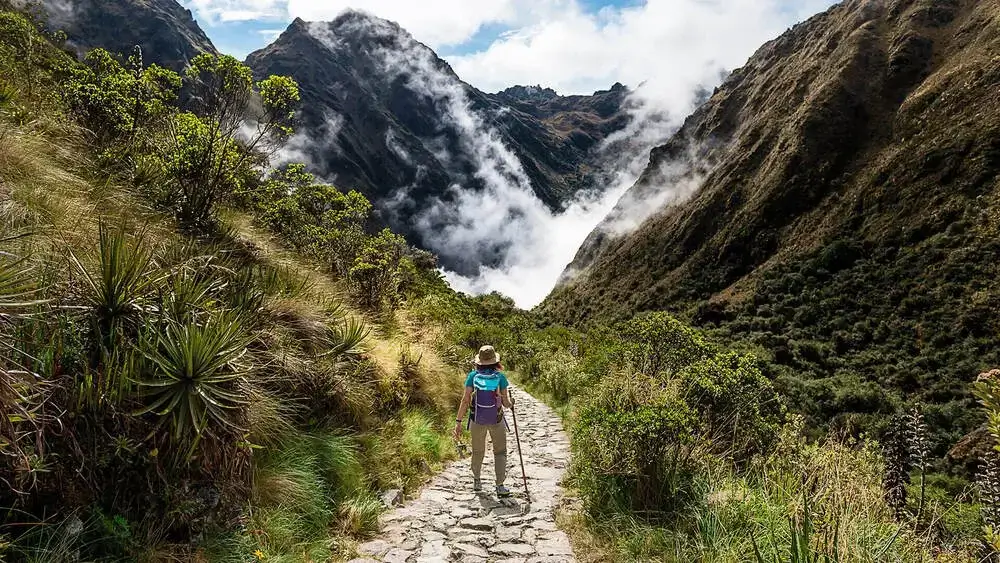
What Is the Qhapaq Ñan?
The Qhapaq Ñana Quechua term meaning “Great Road” or “Royal Road” was the main transportation and communication network of the Inca Empire. It linked the capital city of Cusco with distant provinces, administrative centers, agricultural zones, and sacred sites.
Rather than a single trail, the Qhapaq Ñan was a complex system of main routes and secondary paths, carefully adapted to radically different ecosystems across the Andes.
Key Characteristics
- Built without wheeled transport or draft animals
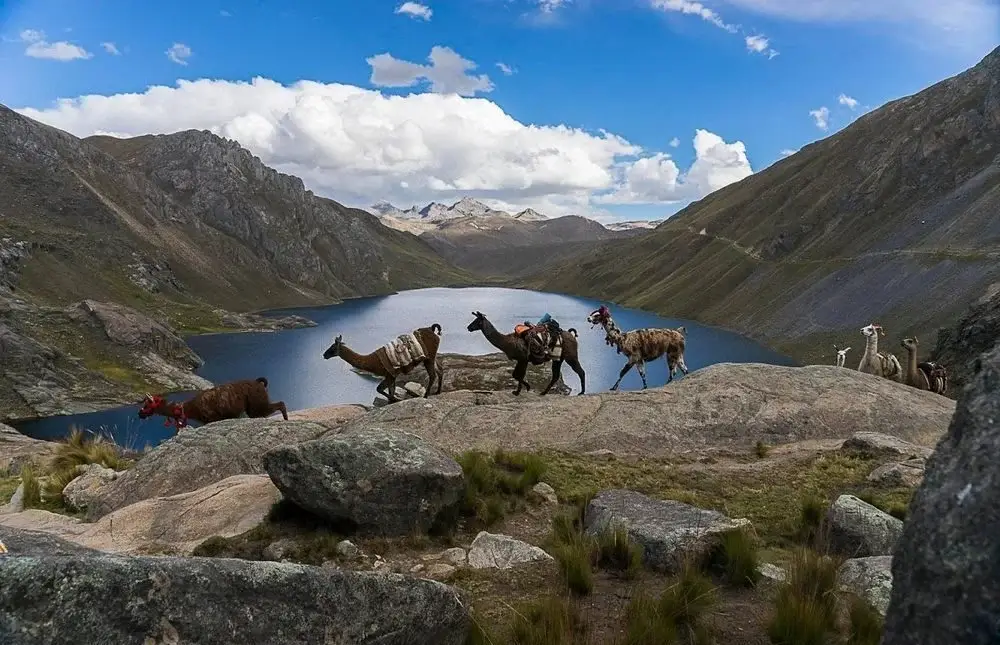
- Designed for pedestrians, caravans of llamas, and messengers (The Chasquis of the Inca Empire)
- Integrated with storage centers (colcas) and lodges (tambos)
The Historical Origins of the Royal Inca Road
While some paths existed before the Incas, the systematic expansion of the Qhapaq Ñan occurred during the consolidation of the Tahuantinsuyo, particularly under the rule of Pachacútec and his successors.
From Cusco’s ceremonial center (Haukaypata), roads radiated outward in four symbolic directions, reinforcing political control and cultural unity.
The Qhapaq Ñan was as much a tool of governance as it was a feat of engineering.
Engineering Genius of the Inca Road System
The Incas adapted their road construction techniques to extreme geography without iron tools, mortar, or modern surveying equipment.
Engineering Highlights
- Precisely cut stone paving in highlands
- Drainage canals to withstand heavy rains
- Stone staircases carved into cliffs
- Rope suspension bridges over deep gorges
- Causeways across deserts and wetlands
- Each section was designed for its environment, not imposed upon it.
The Four Suyus: How the Qhapaq Ñan Connected the Empire
The Inca Empire was divided into four regions (suyus), all connected by the Qhapaq Ñan:
- Chinchaysuyu (North): Toward present-day Ecuador and Colombia
- Qollasuyu (South): Bolivia, northern Chile, and Argentina
- Antisuyu (East): Cloud forests and Amazon fringes
- Contisuyu (West): Pacific coast
This organization allowed efficient movement of goods, people, and information across vast distances.
Countries Touched by the Qhapaq Ñan
Today, preserved sections of the Qhapaq Ñan can be found in:
Each country preserves unique expressions of the same imperial vision.
Cultural and Spiritual Significance
The Qhapaq Ñan was deeply spiritual. Many routes led to apus (sacred mountains), ceremonial centers, and pilgrimage sites.
Beyond transportation, the roads:
- Spread language (Quechua)
- Reinforced shared rituals
- Integrated diverse cultures into a unified worldview
- Even today, local communities maintain ancestral relationships with these paths.
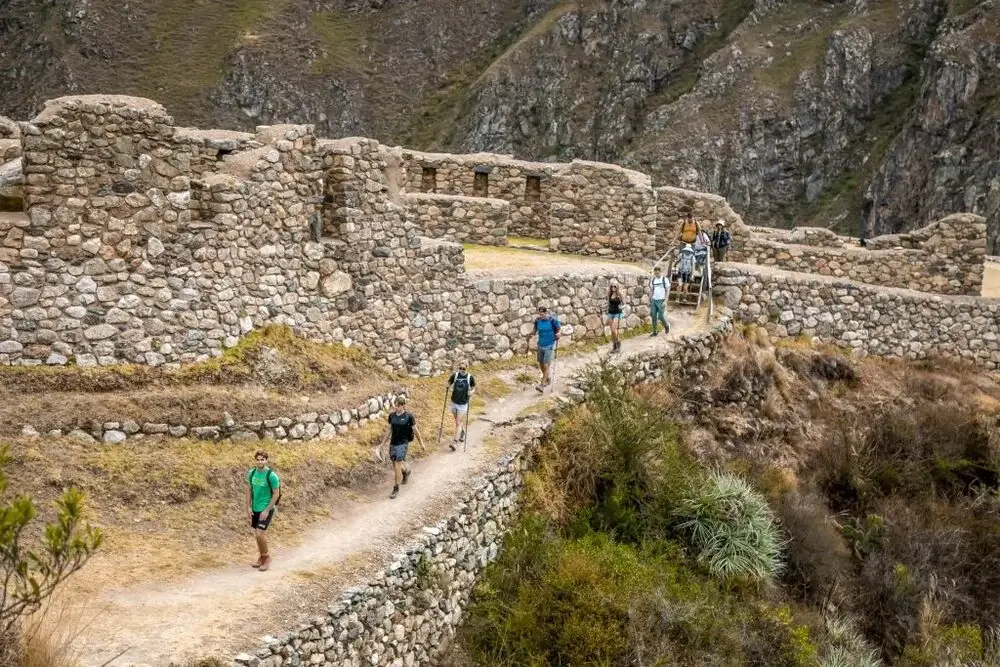
The Qhapaq Ñan Today: UNESCO Heritage and Living Routes
In 2014, UNESCO recognized the Qhapaq Ñan as a World Heritage Site, acknowledging its outstanding universal value.
Importantly, it remains a living heritage:
- Still used by Andean communities
- Integrated into sustainable tourism initiatives
- Protected through multinational cooperation
Walking the Qhapaq Ñan: Iconic Routes for Travelers
While the entire network cannot be walked continuously, several sections offer exceptional travel experiences:
Notable Routes
- Inca Trail to Machu Picchu (classic ceremonial route)
- Choquequirao routes (remote and immersive)
- High-Andean segments near Cusco
- Community-used sections in the Sacred Valley
When Is the Best Time to Explore the Qhapaq Ñan?
The ideal season depends on location, but generally:
- Dry season: May to September (best conditions)
- Shoulder months: April and October (fewer travelers)
- High-altitude routes require acclimatization and expert planning.
Responsible Travel on Ancient Inca Roads
Walking the Qhapaq Ñan requires respect and care.
Best Practices
- Travel with licensed local operators
- Stay on marked paths
- Respect archaeological sites and communities
- Support conservation-focused tourism
At Andean Travel Experience, sustainability is integral to every journey we design.
Why the Qhapaq Ñan Matters to Modern Travelers
In an age of fast travel, the Qhapaq Ñan invites us to slow down.
It offers:
- Meaningful cultural immersion
- Physical challenge balanced with reflection
- A rare sense of continuity between past and present
Luxury is not excess it is depth, intention, and authenticity.
Frequently Asked Questions (FAQs)
What does Qhapaq Ñan mean?
It comes from Quechua and translates as “Great Road” or “Royal Road.”
Is the Inca Trail part of the Qhapaq Ñan?
Yes. The Inca Trail to Machu Picchu is one ceremonial section of the broader network.
Can travelers still walk the Qhapaq Ñan?
Yes, selected segments are accessible and protected, often requiring guided visits.
Why is it a UNESCO World Heritage Site?
For its exceptional cultural, historical, and engineering value across multiple nations.
The Qhapaq Ñan is more than an ancient road it is a living testament to human ingenuity, cultural unity, and respect for the natural world. Every stone laid by the Incas tells a story of connection: between regions, peoples, beliefs, and landscapes that continue to shape the Andes today.
Walking these paths invites modern travelers to experience history not as spectators, but as participants. It is a journey that challenges the body, enriches the mind, and nourishes the soul revealing that true luxury lies in authenticity, depth, and meaning.
Whether you dream of hiking a ceremonial Inca route, exploring lesser-known sections of the Qhapaq Ñan, or crafting a bespoke journey that blends culture, comfort, and adventure, our expert travel designers are here to create an experience unlike any other.
Luxury is not how far you go it’s how deeply you experience it. Contact us today or request a personalized itinerary and begin your journey along one of the world’s most extraordinary cultural routes.