
Imagine Running an Empire Without Writing
Imagine governing an empire that stretched over 4,000 kilometers (2,500 miles), crossed deserts, snow-capped mountains, cloud forests, and fertile valleys without a written alphabet.
No paper. No books. No computers.
Yet the Inca Empire successfully organized taxes, agriculture, labor, military logistics, and food storage through an ingenious system of colored cords and carefully tied knots known today as the khipu (also commonly spelled quipu).
Far more than an archaeological curiosity, the khipu reveals the extraordinary intelligence behind one of history's greatest civilizations. Understanding this ancient system transforms the way travelers experience Peru today—from the textile traditions of the Sacred Valley to the agricultural landscapes that continue to nourish one of the world's most celebrated cuisines.
Whether you're passionate about history, archaeology, design, or authentic cultural encounters, the story of the khipu offers an unforgettable window into the soul of the Andes.
Travel Tip: Discovering Peru becomes even more meaningful when you explore not only its monuments but also the ideas that shaped one of the world's most sophisticated civilizations.
Planning your trip? Explore our private Inca Empire tour of Peru — tailor-made and designed by our Cusco-based team.
What Is a Khipu?
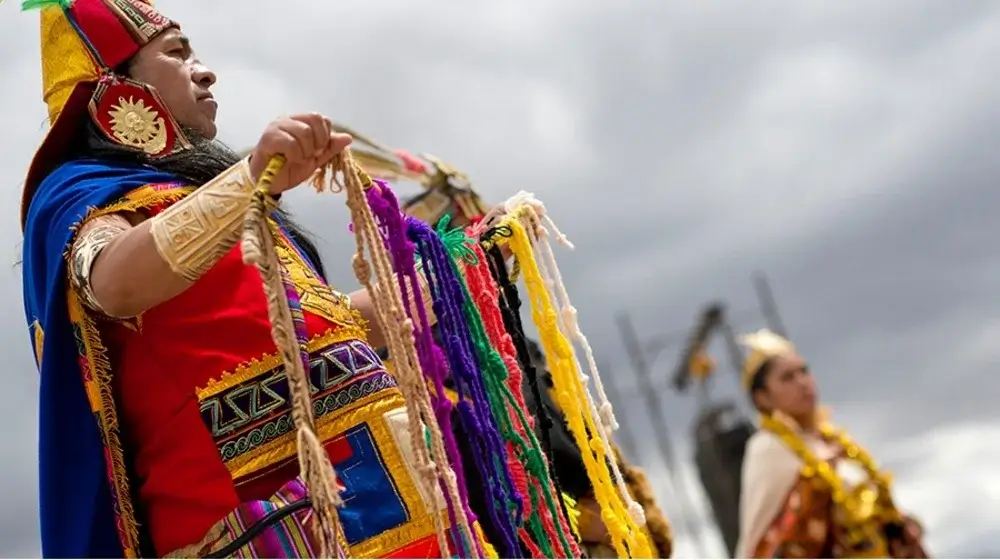
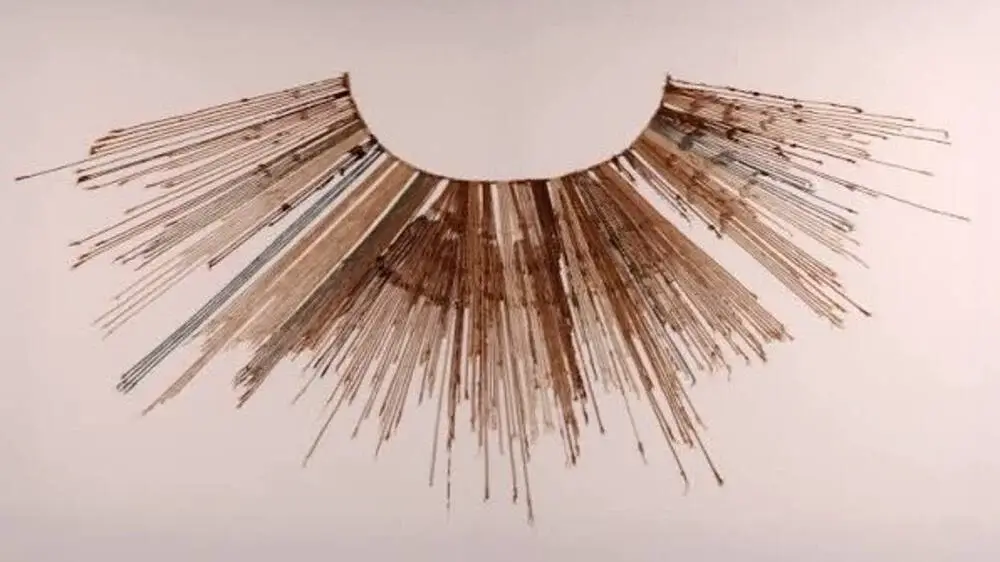
The word khipu comes from the Quechua language and means "knot." It refers to an elaborate recording device consisting of a main cord from which multiple colored strings hang, each tied with different types of knots.
Rather than representing letters or words, these knots primarily recorded numerical information using a decimal system.
Spanish chroniclers described thousands of khipus throughout the Inca Empire, where they were used for administration long before European contact.
How Did the Khipu Work?
At first glance, a khipu may appear simple. In reality, it is an extraordinarily sophisticated information system.
Each element carried meaning:
| Element | Possible Meaning |
|---|---|
| Cord color | Category of information (such as agriculture, military supplies, or census data) |
| Knot position | Numerical place value |
| Knot type | Different numerical values |
| Cord arrangement | Relationship between datasets |
| Fiber type and spinning direction | May have conveyed additional information |
The Incas used a decimal numbering system, making calculations remarkably efficient for managing a vast empire.
Today, researchers continue studying whether some khipus also encoded narrative or linguistic information beyond numbers.
Did You Know? More than 1,000 surviving khipus are known today, preserved in museums and collections around the world.
Travel Inspiration: Visiting Peru's museums with an expert guide brings these remarkable artifacts to life beyond what any textbook can offer.
The Khipukamayuq: Guardians of the Empire's Knowledge
Not everyone could create or interpret a khipu.
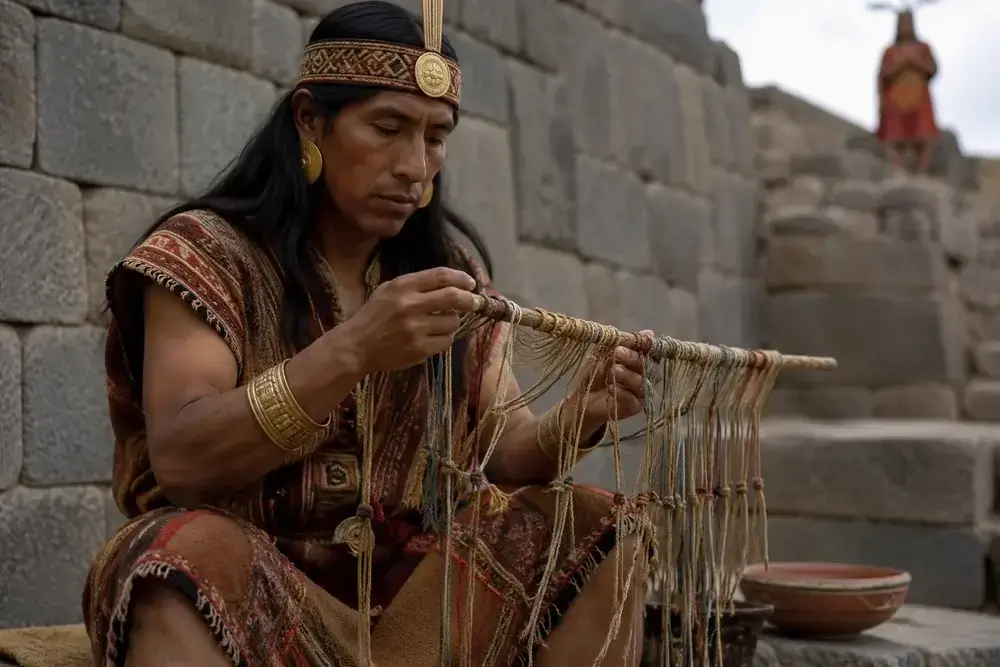
This responsibility belonged to specially trained officials called Khipukamayuq, meaning "keepers of the khipu."
These highly respected specialists memorized enormous amounts of information while creating and reading complex records.
Their responsibilities included:
- Population censuses
- Tax records
- Agricultural production
- Labor organization
- Military logistics
- Warehouse inventories
- Tribute collection
Their expertise was essential to governing the Tawantinsuyu the vast Inca Empire that extended across modern Peru, Ecuador, Bolivia, northern Chile, northwestern Argentina, and southern Colombia.
Without the Khipukamayuq, the empire simply could not have functioned.
Why Historians Still Can't Fully Read the Khipu
Although much has been learned, the khipu remains one of archaeology's greatest mysteries.
Researchers agree that many khipus recorded numerical data. However, an important question remains:
Did some khipus record stories, historical events, or language?
Several scholars believe that at least some examples may have encoded far more than numbers.
Ongoing research including the work of the Harvard Khipu Database Project continues to compare surviving khipus in search of hidden patterns.
Modern technologies such as digital imaging, statistical analysis, and machine learning are helping researchers uncover relationships that were impossible to detect only a few decades ago.
The mystery remains unsolved but each new discovery deepens our understanding of Inca civilization.
"The khipu remains one of humanity's most remarkable and least understood information technologies."
Travel Inspiration: Peru is not just a destination to admire it is a place where history is still being actively discovered.
The Khipu and the Agricultural Genius of the Andes
One of the most important roles of the khipu was helping administrators manage one of the world's most diverse agricultural systems.
The Inca Empire stretched across dramatically different ecological zones, each producing unique crops.
Using khipus, officials tracked:
- Potato production
- Maize harvests
- Quinoa cultivation
- Llama and alpaca herds
- Labor contributions
- State food reserves
- Distribution of agricultural goods
This administrative precision helped the empire support millions of people despite living in one of the world's most challenging mountain environments.
Today, Peru remains home to extraordinary agricultural diversity, including:
- More than 3,000 native potato varieties
- Dozens of maize varieties
- Ancient grains like quinoa and cañihua
- Unique peppers native to the Andes
These ingredients continue to inspire Peru's internationally acclaimed culinary scene.
Travel Inspiration: A private culinary journey reveals how ancient agricultural traditions continue to shape contemporary Peruvian gastronomy.
From Ancient Knots to Living Textiles
The khipu also highlights the extraordinary importance of fiber and textile production within Inca society.
Textiles were among the empire's most valuable possessions sometimes considered even more precious than gold.
The same expertise required to spin perfectly balanced threads also supported the production of sophisticated khipus.
Today, these traditions remain alive.
Chinchero: Where Ancient Weaving Traditions Continue
High in the Sacred Valley, the community of Chinchero is renowned for preserving ancestral weaving techniques passed down through generations.
Visitors can observe:
- Natural dye preparation
- Alpaca and sheep wool spinning
- Traditional backstrap weaving
- Symbolic Andean textile designs
Many local artisans continue using methods remarkably similar to those practiced centuries ago.
A visit here offers far more than shopping it provides meaningful cultural exchange with communities keeping Peru's textile heritage alive.
Travel Inspiration: Private visits with local weaving associations create authentic encounters while directly supporting community artisans.
Alpaca Fiber: A Legacy of Andean Excellence
The Andes produce some of the world's finest natural fibers.
For centuries, alpacas and wild vicuñas have provided exceptionally soft, warm, and lightweight wool.
Luxury travelers often appreciate discovering the journey from raw fiber to handcrafted textiles, gaining a deeper understanding of the craftsmanship behind every woven piece.
This appreciation connects beautifully with the story of the khipu, where every thread carried meaning.
Where Can You See Real Khipus?
Although many khipus were destroyed during the early colonial period, remarkable examples survive today.
Some of the best places to learn about them include museums in:
| Destination | Why Visit |
|---|---|
| Lima | National collections showcasing Inca artifacts and archaeological discoveries |
| Cusco | Museums exploring Inca administration, religion, and daily life |
| Sacred Valley | Excellent context before visiting archaeological sites |
Combining museum visits with archaeological exploration creates a richer understanding of the civilization that built Machu Picchu.
Travel Inspiration: A private historian or archaeologist guide can transform museum visits into engaging storytelling experiences.
Experiencing the Legacy of the Khipu Through Southern Peru
The story of the khipu extends far beyond museum walls.
Its legacy lives on across Southern Peru.
Imagine a journey that includes:
Arequipa
Discover elegant colonial architecture, exceptional gastronomy, and museums that introduce Peru's rich historical tapestry.
Colca Canyon
Witness centuries-old agricultural terraces that demonstrate the remarkable engineering of Andean civilizations.
Sacred Valley
Meet master weavers, visit vibrant traditional communities, and experience living textile traditions.
Cusco
Explore the political and spiritual heart of the Inca Empire with expert local guides who reveal the stories hidden behind every stone.
This is not simply sightseeing.
It is understanding how ancient knowledge continues to shape modern Peru.
Frequently Asked Questions About the Khipu
What is the difference between khipu and quipu?
Both words refer to the same object. "Khipu" is the modern transliteration from Quechua, while "quipu" comes from older Spanish spelling.
Was the khipu a writing system?
Researchers agree that khipus recorded numerical information. Whether some also encoded language or narratives remains an active area of research.
Who used khipus?
Specially trained officials called Khipukamayuq created, maintained, and interpreted them.
How many khipus still exist?
More than 1,000 surviving examples are known today, although many were lost following the Spanish conquest.
Can visitors see authentic khipus in Peru?
Yes. Museums in Lima and Cusco preserve original examples alongside other important Inca artifacts.
Why the Khipu Still Matters Today
The khipu reminds us that innovation takes many forms.
Long before modern technology, the Incas developed an elegant information system capable of organizing one of history's largest empires.
Its legacy survives not only in museums but also in Peru's living traditions in its textile communities, agricultural knowledge, artisan workshops, and enduring Andean culture.
Understanding the khipu allows travelers to see Peru differently.
Not simply as a destination of spectacular landscapes, but as a civilization whose intelligence continues to inspire the world.
Discover Peru Beyond the Guidebooks
At Andean Travel Experience, we believe the most meaningful journeys connect travelers with the stories behind each destination.
Our tailor-made luxury itineraries combine archaeology, gastronomy, living culture, and exclusive local encounters to reveal a deeper side of Peru one that goes far beyond iconic landmarks.
Whether you're exploring the Sacred Valley with an expert historian, meeting master weavers in remote Andean communities, or enjoying a private culinary experience inspired by centuries of agricultural tradition, every journey is thoughtfully designed around your interests.
Ready to discover the threads that still connect Peru's past and present?
Contact our travel designers today and let us craft your personalized luxury journey through the heart of the Andes.