Luxury travel is not only about exclusive hotels, private transportation, or curated experiences. The most memorable journeys are often shaped by meaningful conversations and genuine human connections.
In Peru, language is one of the most fascinating gateways into local culture. Beyond traditional Spanish, Peruvians use a rich collection of expressions, sayings, and slang words known as peruanismos a colorful blend of Indigenous heritage, colonial influences, immigration, and modern creativity.
Whether you are sharing a meal in Arequipa, exploring artisan communities in the Sacred Valley, or discovering hidden neighborhoods in Lima, understanding a few local expressions can transform your experience from simply visiting Peru to truly connecting with it.
Why Peruvian Slang Matters for Travelers
Language reflects culture, history, humor, and identity. Learning a few Peruvian expressions demonstrates curiosity, respect, and openness toward local traditions.
Unlike standard Spanish taught in classrooms, Peruvian slang reveals how people genuinely communicate in everyday life.
- Benefits of Learning Peruvian Slang
- Build rapport with locals
- Understand conversations more naturally
- Appreciate cultural nuances
- Enhance immersive travel experiences
- Create memorable interactions during your journey
A simple phrase used appropriately can instantly break the ice and lead to authentic conversations.
- Travel Tip: The most rewarding cultural experiences often begin with a friendly exchange of words.
The Cultural Roots of Peruvian Spanish
Peruvian Spanish is one of the most distinctive forms of Spanish spoken in Latin America.
The Legacy of Indigenous Languages
Long before Spanish arrived, Peru was home to numerous Indigenous languages, particularly Quechua and Aymara.
Today, thousands of Quechua words continue to influence everyday speech, especially throughout the Andes.
Common Indigenous Influences
| Word | Meaning | Origin |
|---|---|---|
| Apu | Sacred mountain spirit | Quechua |
| Pacha | Earth, world, universe | Quechua |
| Choclo | Large-kernel corn | Quechua |
| Puma | Mountain lion | Quechua |
| Coca | Sacred Andean plant | Quechua |
These words are not merely vocabulary; they represent an entire worldview rooted in nature, spirituality, and community.
A Living Cultural Heritage
When traveling through Cusco and surrounding Andean communities, you will often hear Quechua terms naturally incorporated into daily conversations.
This linguistic fusion is one of the reasons Peru's cultural identity remains so vibrant and distinctive.
Essential Peruvian Slang Every Traveler Should Know
Below are some of the most useful expressions visitors are likely to hear throughout Peru.
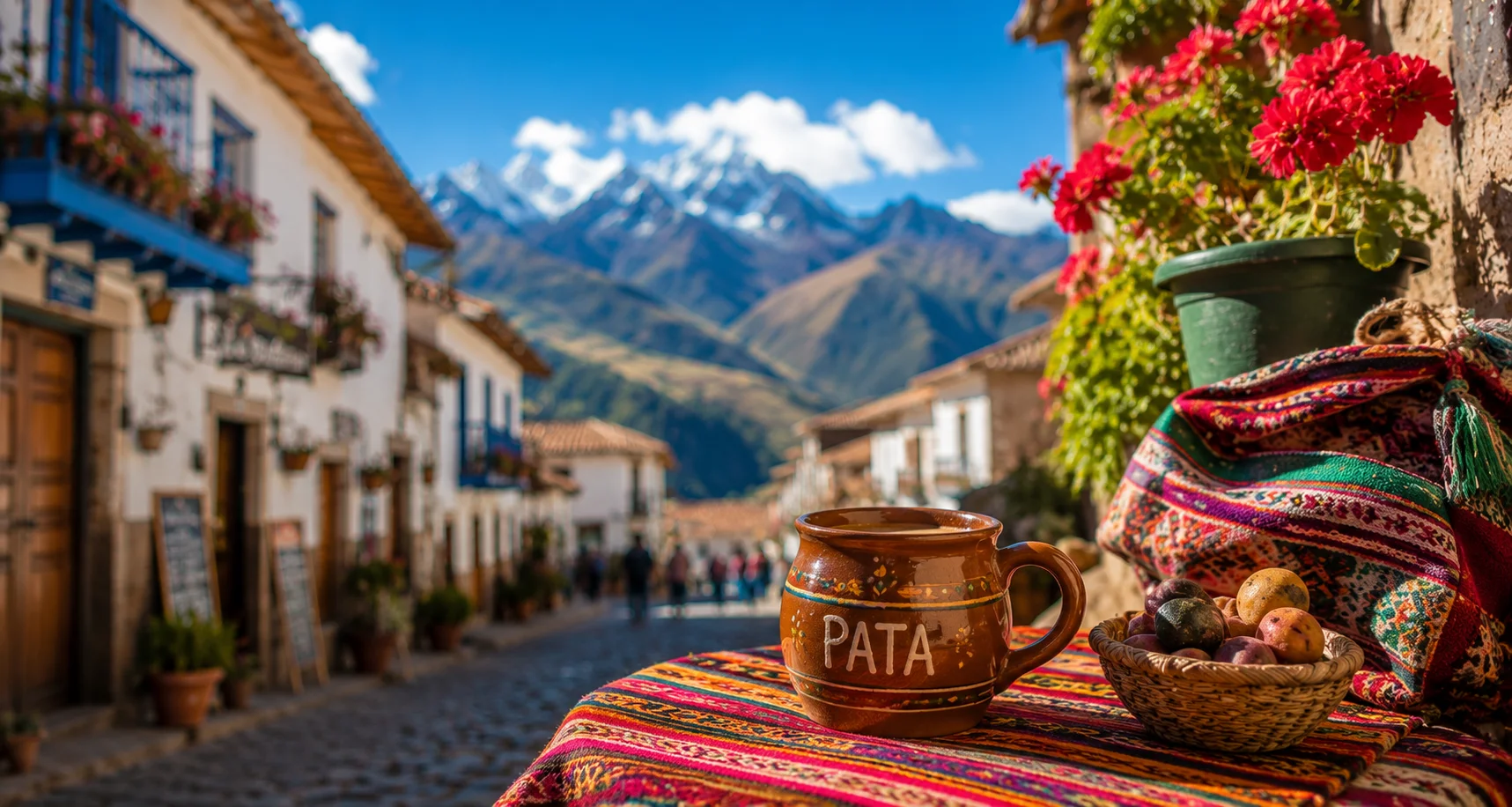
1. Pata
Meaning: Friend, buddy, mate.
Example:
"Él es mi pata."
"He's my friend."
This is one of Peru's most common and universally recognized expressions.
2. Chela
Meaning: Beer.
Example:
"Vamos por una chela."
"Let's grab a beer."
Whether enjoying a craft beer in Lima or relaxing after a trek, you'll hear this word frequently.
3. Chamba
Meaning: Work or job.
Example:
"Tengo mucha chamba hoy."
"I have a lot of work today."
The term is widely used throughout Peru.
4. Al Toque
Meaning: Right away, immediately.
Example:
"Voy al toque."
"I'll be right there."
One of the most useful phrases travelers can recognize.
5. Jato
Meaning: House or home.
Example:
"Nos vemos en mi jato."
"See you at my place."
6. Asu Mare!
Meaning: An expression of surprise, amazement, or disbelief.
Example:
"¡Asu mare! Qué vista increíble."
"Wow! What an incredible view."
A phrase you may find yourself using while standing before the breathtaking landscapes of Peru.
7. Qué Paja
Meaning: Cool, awesome, great.
Example:
"Ese restaurante estuvo paja."
"That restaurant was awesome."
Quick Reference Table
| Expression | Meaning |
|---|---|
| Pata | Friend |
| Chela | Beer |
| Chamba | Work |
| Al toque | Immediately |
| Jato | Home |
| Asu mare | Wow! |
| Qué paja | Awesome |
Our local guides love sharing cultural insights that help travelers understand Peru far beyond the surface.
Speaking Like a Local During Culinary Experiences
Food and language are deeply connected in Peru.
Many of the country's most beloved culinary experiences are accompanied by expressions that reveal local customs and social dynamics.
Picar
One of the most useful culinary verbs in Peru.
Meaning: To snack, sample, or try small portions of food.
Rather than ordering a single dish, Peruvians often enjoy sharing and tasting multiple flavors.
This reflects the country's communal dining culture.
Provecho
A phrase commonly said before eating.
Equivalent to: "Enjoy your meal."
You'll hear it in restaurants, markets, and family gatherings throughout Peru.
Casero / Caserita
Friendly terms often used by market vendors when addressing customers.
These expressions create warmth and familiarity, reflecting Peru's welcoming hospitality.
Where You'll Hear These Most
- Traditional markets
- Family-run restaurants
- Artisan workshops
- Local food tours
- Community-based tourism experiences
Discover Peru through its cuisine with curated culinary experiences led by local experts and passionate storytellers.
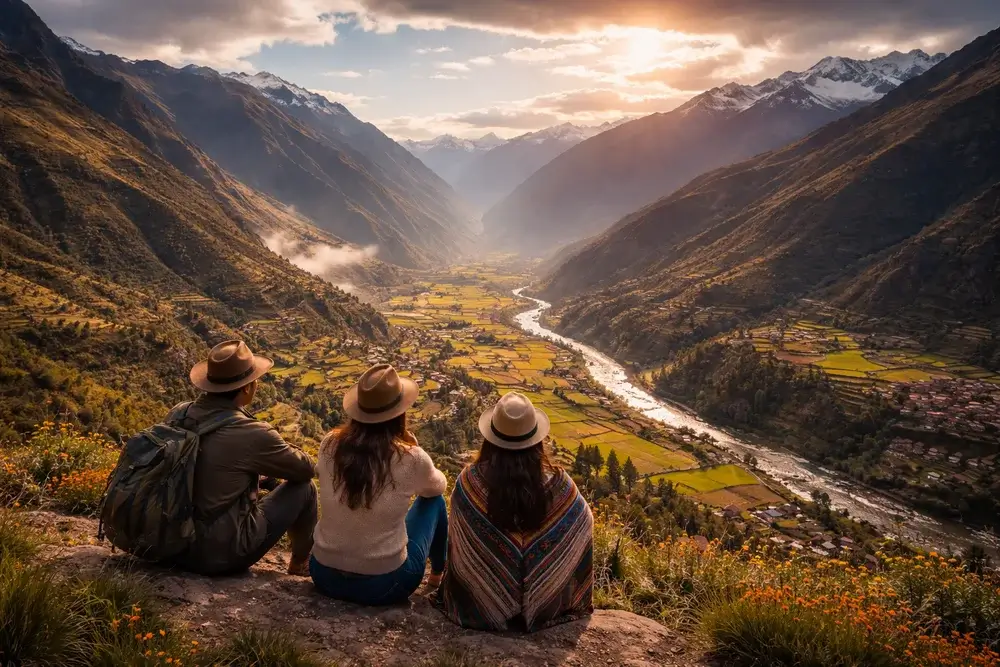
Regional Slang: Peru's Linguistic Diversity
One of Peru's greatest cultural treasures is its regional diversity.
Just as cuisine changes from one region to another, language evolves across the country.
The Proud Identity of Arequipa
Arequipa is famous for its strong regional identity and distinctive cultural traditions.
The city preserves elements of the historic loncco culture, representing the traditional countryside communities surrounding the region.
Expressions Associated with Arequipa
While usage varies, visitors may encounter local vocabulary and expressions unique to southern Peru.
The language reflects generations of agricultural traditions, local pride, and strong community values.
Combined with the city's architecture, gastronomy, and history, this linguistic heritage contributes to Arequipa's unique personality.
Cusco and the Influence of the Andes
In and around Cusco, Quechua influences are particularly strong.
Travelers frequently hear terms such as:
- Apu: A sacred mountain spirit revered in Andean cosmology.
- Pacha: Often translated as "earth" or "world," but carrying a much deeper spiritual significance.
- Runa: A Quechua word referring to a person or human being.
These concepts continue to shape local identity and daily life.
Cultural Etiquette: Using Slang Respectfully
Learning local expressions can enrich your travel experience, but context matters.
Best Practices
- Listen before using unfamiliar expressions.
- Observe how locals use specific words.
- Avoid overusing slang.
- Maintain a respectful tone.
- Embrace cultural learning rather than imitation.
Most Peruvians appreciate visitors who make an effort to understand local culture.
Authenticity and curiosity go a long way.
How Language Creates Better Travel Experiences
Many travelers remember Peru for its spectacular landscapes, archaeological wonders, and world-renowned cuisine.
Yet some of the most meaningful memories come from conversations:
- Speaking with an artisan in the Sacred Valley.
- Sharing stories with a chef in Arequipa.
- Learning traditions from local families.
- Connecting with community leaders in remote Andean villages.
Language becomes the bridge between visitor and destination.
The more you understand local expressions, the deeper your appreciation of Peru becomes.
Final Thoughts: Travel Beyond the Surface
Peruvian slang is far more than a collection of colorful words. It is a living reflection of Peru's history, diversity, humor, and cultural richness.
From Quechua influences in the Andes to the unique expressions of southern Peru, language offers travelers a deeper understanding of the people who make this country so extraordinary.
The next time you hear someone say "¡Asu mare!" or invite you for a chela with their patas, you'll know you're experiencing a small but meaningful piece of authentic Peru.
Ready to Experience the Real Peru?
At Andean Travel Experience, we believe true luxury lies in authentic connections, meaningful encounters, and expertly curated journeys.
Our private, tailor-made itineraries take you beyond the famous landmarks and into the heart of Peru's living culture where language, traditions, gastronomy, and local communities come together to create unforgettable experiences.
Contact our travel designers today and start planning a personalized journey through Peru that is as enriching as it is extraordinary.