
Peru is often celebrated for Machu Picchu, ancient civilizations, and breathtaking landscapes. Yet beyond its iconic landmarks lies another treasure one that has captivated chefs, nutritionists, and luxury travelers around the world.
Thanks to its extraordinary biodiversity, Peru is home to hundreds of native fruits that thrive across deserts, mountains, cloud forests, and the Amazon rainforest. These fruits are more than ingredients; they are living expressions of culture, history, and tradition.
For discerning travelers seeking authentic culinary experiences, exploring Peru’s ancestral superfoods offers a fascinating journey into the heart of the country’s natural and cultural wealth.
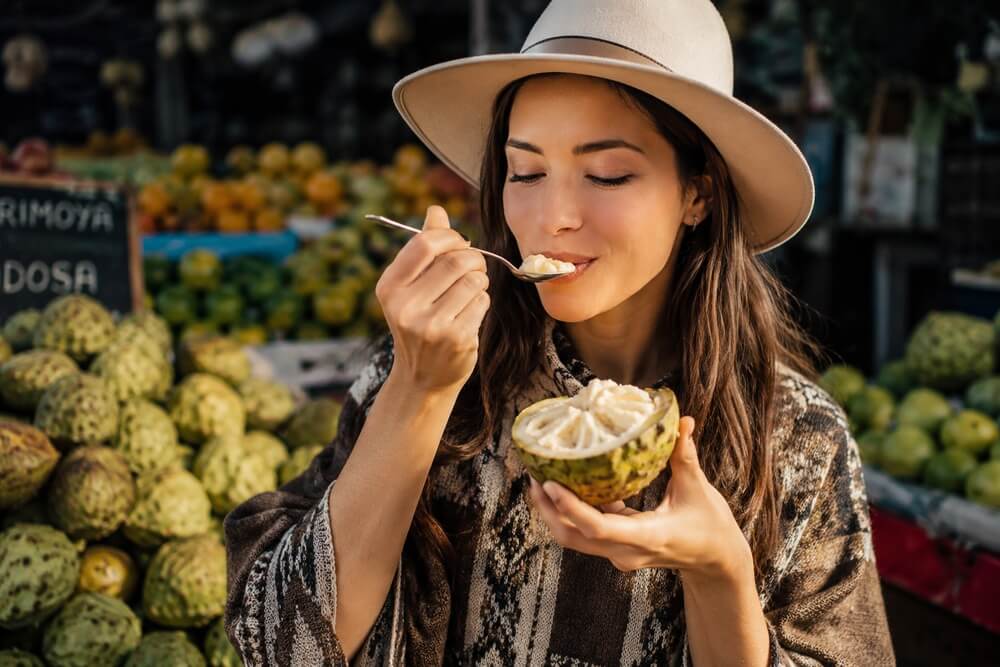
Why Peru Is One of the World's Greatest Biodiversity Destinations
Peru is recognized as one of the world's most biodiverse countries, boasting 84 of the planet’s 117 life zones and 28 distinct climate types. This remarkable geographical diversity creates ideal conditions for cultivating unique fruits and crops found nowhere else.
From the fertile volcanic valleys of southern Peru to the lush Amazon basin, every region contributes distinctive flavors to the country's celebrated cuisine.
Ancient Agriculture Meets Modern Gastronomy
Long before modern nutrition trends emerged, Indigenous cultures across Peru cultivated nutrient-rich fruits adapted to extreme environments.
Today, many of these ingredients are being rediscovered by leading chefs and incorporated into Peru's world-renowned culinary scene.
Visitors can experience these flavors in:
- Traditional local markets
- Community-run farms
- Boutique culinary experiences
- Fine dining restaurants
- Farm-to-table luxury lodges
The Microclimate Advantage
Peru's dramatic geography allows fruits to develop unique characteristics.
Within a single day, travelers can journey from coastal valleys to Andean highlands and Amazonian forests, each producing fruits with distinct flavor profiles, textures, and nutritional benefits.
This diversity has helped position Peru as a global leader in gastronomic tourism.
Discover how Peru's landscapes shape every culinary experience through our personalized journeys across the country's most fascinating regions.
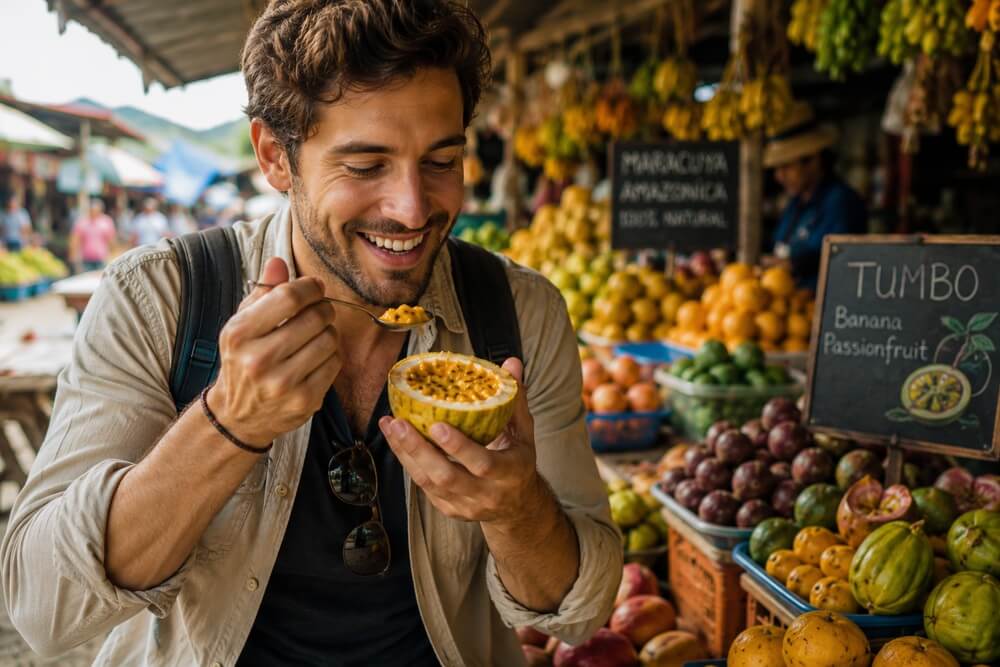
5 Rare Peruvian Fruits You Must Experience
Beyond their health benefits, Peru's native fruits tell stories of ancient civilizations, traditional farming practices, and cultural identity.
Let's explore five of the country's most fascinating treasures.
1. Lucuma: The Gold of the Andes
Known as the "Gold of the Incas," lucuma has been cultivated in Peru for centuries. Archaeologists have even identified depictions of the fruit in ancient Moche ceramics dating back over a thousand years.
Its flavor is often described as a blend of maple, sweet potato, caramel, and butterscotch.
| Feature | Details |
|---|---|
| Region | Coastal valleys and Andean regions |
| Flavor | Sweet, creamy, caramel-like |
| Nutrients | Beta-carotene, niacin, antioxidants |
| Common Uses | Ice cream, mousses, cakes, smoothies |
Today, lucuma remains one of Peru's most beloved dessert ingredients and frequently appears on the menus of upscale restaurants.
Taste Peru's culinary heritage through private gastronomic experiences featuring native ingredients and regional traditions.
2. Camu Camu: The Amazon's Vitamin C Powerhouse
Growing naturally along the flooded riverbanks of the Amazon, camu camu has gained international recognition for its exceptional nutritional profile.
Studies have shown that camu camu contains remarkably high concentrations of natural vitamin significantly more than many common citrus fruits.
Why Travelers Love Camu Camu
- Supports immune function
- Rich in antioxidants
- Popular among wellness travelers
- Frequently used in juices and smoothies
Its tart flavor makes it a refreshing ingredient during adventures through Peru's tropical regions.
3. Chirimoya: Mark Twain's Favorite Fruit
The famous American author Mark Twain once described chirimoya as "the most delicious fruit known to men."
Often called custard apple in English, chirimoya features a creamy texture and a flavor reminiscent of banana, pineapple, vanilla, and pear.
Nutritional Benefits
- Excellent source of dietary fiber
- Rich in potassium
- Contains vitamin B6
- Supports digestive health
Its naturally sweet flavor makes it one of Peru's most cherished fruits.
Luxury hotels and boutique lodges often incorporate fresh chirimoya into breakfast menus and gourmet desserts.
Experience Peru's seasonal flavors through curated culinary journeys designed around local harvests.
4. Tumbo: The Forgotten Flavor of Ancient Peru
Before the arrival of European citrus fruits, Andean cultures used tumbo also known as banana passionfruit for its refreshing acidity.
Its bright orange pulp delivers a delicate balance of sweetness and tartness.
Historical Significance
Many culinary historians believe tumbo played an important role in pre-Hispanic gastronomy, particularly as a natural acidic ingredient in traditional food preparation.
Flavor Profile
- Tropical
- Citrusy
- Floral
- Refreshingly acidic
Today, tumbo appears in artisanal beverages, desserts, and modern interpretations of traditional Peruvian cuisine.
5. Aguaymanto: The Sacred Valley Superfruit
Known internationally as the golden berry or cape gooseberry, aguaymanto has been cultivated in the Andes since pre-Columbian times.
The fruit grows naturally in high-altitude regions and has become one of Peru's most recognized superfoods.
| Feature | Details |
|---|---|
| Region | Andes and Sacred Valley |
| Flavor | Sweet and tangy |
| Nutrients | Antioxidants, vitamins A and C |
| Uses | Snacks, desserts, jams, gourmet dishes |
Its vibrant color and balanced flavor have made it increasingly popular among chefs and health-conscious travelers alike.
Visit local communities and organic farms where Peru's ancestral agricultural traditions continue to thrive.
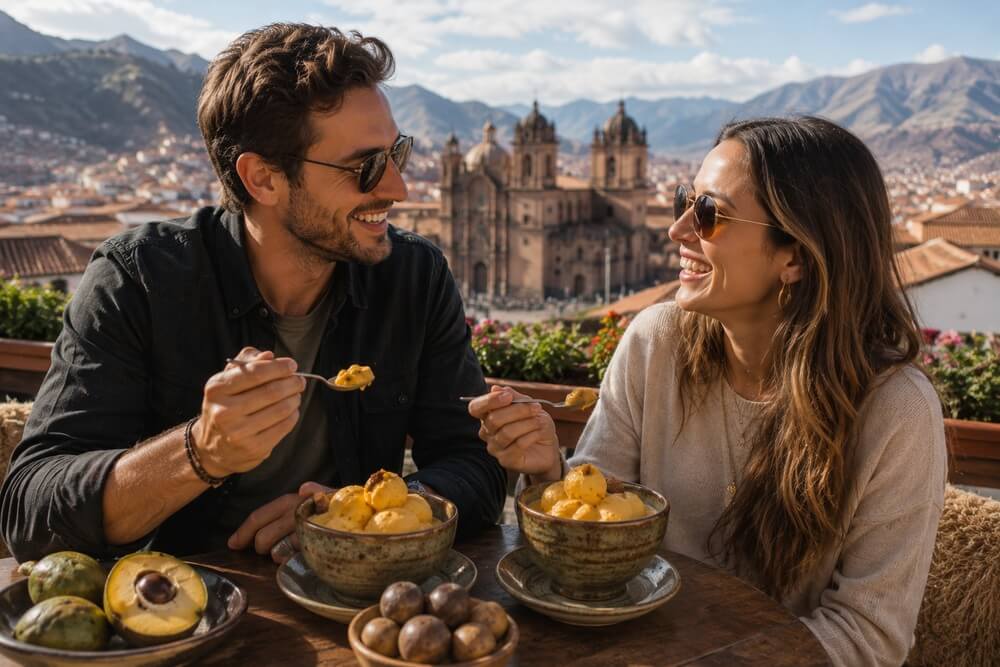
Where to Taste Peru's Native Fruits
One of the greatest advantages of exploring Peru with local experts is access to authentic culinary experiences beyond traditional tourist routes.
Recommended Experiences
Traditional Markets
Markets remain the best place to encounter Peru's extraordinary biodiversity firsthand.
Notable examples include:
- The San Camilo Market in Arequipa
- Traditional markets in Cusco
- Amazonian food markets in Iquitos and Puerto Maldonado
Farm-to-Table Experiences
Many rural communities welcome visitors interested in learning about traditional cultivation methods and local food systems.
Fine Dining Restaurants
Peru's award-winning chefs increasingly feature native fruits in tasting menus that celebrate regional identity and biodiversity.
Let our travel designers create a journey that combines gastronomy, culture, and authentic local encounters.
Are Peruvian Fruits Safe for International Travelers?
Yes, when consumed responsibly.
Experienced travelers and culinary guides generally recommend:
- Choosing fruits with thick peels when purchasing independently
- Washing produce with purified water
- Consuming freshly prepared products from reputable establishments
- Exploring local markets with knowledgeable guides
Luxury tours often include carefully selected culinary experiences that prioritize both authenticity and comfort.
Frequently Asked Questions About Peruvian Fruits
What is the most famous fruit in Peru?
Lucuma is often considered Peru's most iconic fruit due to its historical significance and widespread use in traditional desserts. Chirimoya is also internationally celebrated for its exceptional flavor.
Which Peruvian fruit has the most vitamin C?
Camu camu is widely recognized as one of the richest natural sources of vitamin C in the world.
Can travelers find these fruits year-round?
Availability varies by region and season. However, many can be enjoyed throughout the year in markets, restaurants, and culinary experiences across Peru.
Are Peruvian superfoods only found in the Andes?
No. Peru's superfoods originate from diverse ecosystems, including the Amazon rainforest, coastal valleys, and high-altitude Andean regions.
Discover Peru Through Its Flavors
The true richness of Peru extends far beyond its archaeological wonders and scenic landscapes. It lives in its markets, farms, kitchens, and the extraordinary fruits that have nourished communities for centuries.
From the creamy sweetness of lucuma to the vibrant intensity of camu camu, these ancestral superfoods offer travelers a deeper connection to Peru's history, biodiversity, and culture.
At Andean Travel Experience, we believe the most memorable journeys begin with authentic encounters. Whether you're exploring local markets in Arequipa, tasting seasonal ingredients in the Sacred Valley, or discovering hidden culinary traditions in remote communities, every flavor tells a story.
Plan Your Culinary Journey Through Peru
Experience Peru beyond the guidebooks through personalized luxury itineraries that connect culture, gastronomy, nature, and local traditions.
Our travel specialists design tailor-made journeys that combine exclusive culinary experiences, private guides, boutique accommodations, and meaningful cultural immersion.