
Peru is not only one of the most culturally rich destinations in the world it is also one of the most nutrient-rich. From the depths of the Amazon rainforest to the soaring peaks of the Andes, Peru’s extraordinary geography has given rise to foods that have sustained civilizations for thousands of years. Today, many of these ingredients are celebrated globally as superfoods, prized for their nutritional density, versatility, and connection to ancestral traditions.
At Andean Travel Experience, we believe that understanding a destination begins with its flavors. Exploring Peruvian superfoods is more than a culinary trend it is an immersive journey into Peru’s biodiversity, history, and way of life.
“In Peru, food is not only nourishment it is heritage, medicine, and culture.”
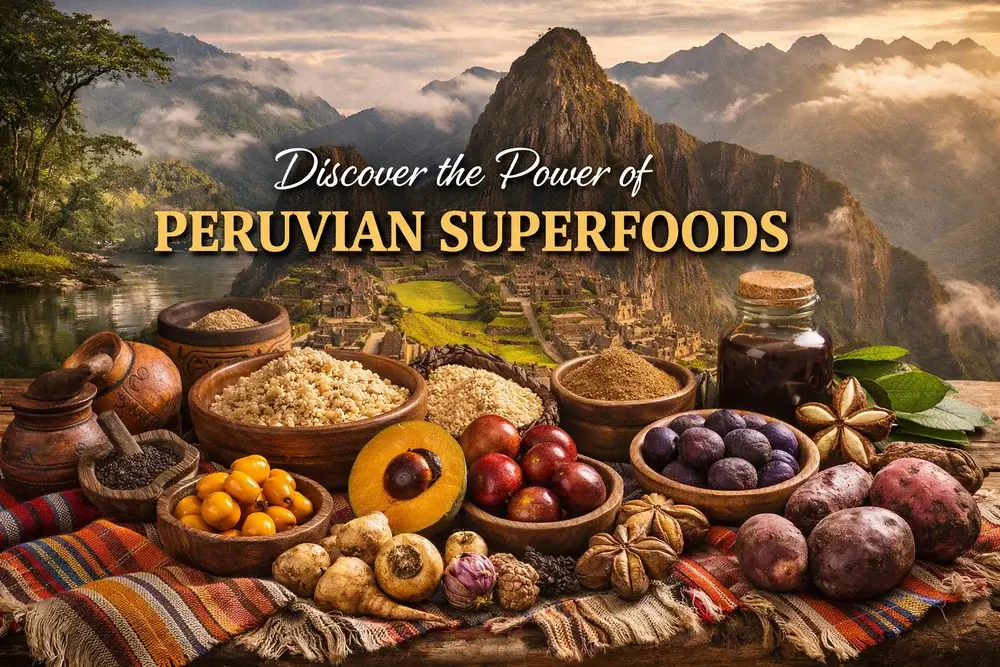
Why Peru Is a Global Superfood Capital
Peru is one of the most biodiverse countries on Earth, boasting over 90 microclimates. This exceptional range of ecosystems coastal deserts, fertile valleys, high-altitude plateaus, and the Amazon rainforest allows a vast array of native crops to flourish naturally.
Many Peruvian superfoods grow in mineral-rich soil, at extreme altitudes, or in pristine rainforest environments. These conditions often result in foods with high concentrations of vitamins, antioxidants, fiber, and plant-based proteins, making them highly valued around the world.
What Are Peruvian Superfoods?
“Superfood” is a modern term often used to describe foods with exceptional nutritional value. In Peru, however, these ingredients are not new trends they are ancestral staples, cultivated and consumed for centuries by Andean and Amazonian cultures.
Rather than focusing on exaggerated claims, travelers can appreciate Peruvian superfoods for what they truly offer:
- Deep cultural significance
- Nutrient-rich profiles
- Versatility in traditional and contemporary cuisine
Iconic Peruvian Superfoods You Must Try
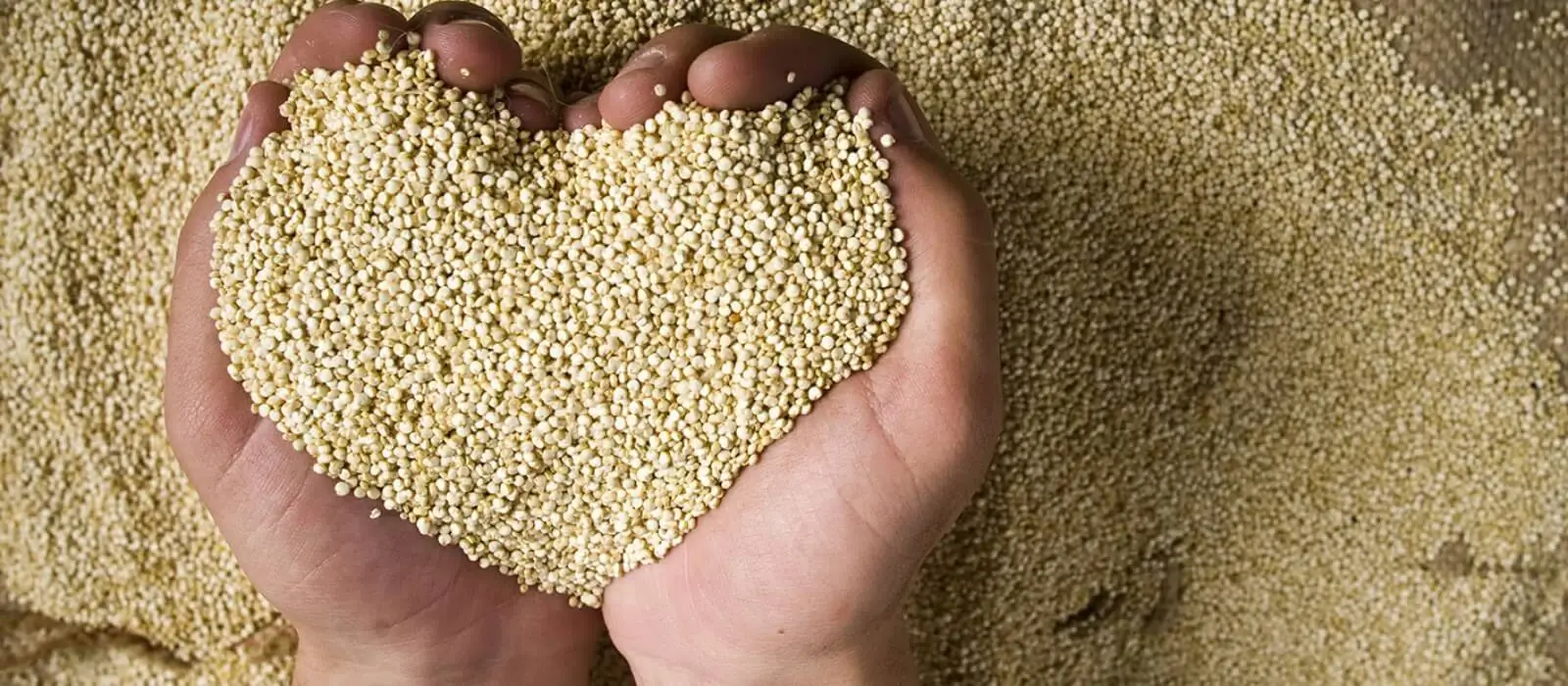
Quinoa: The Sacred Grain of the Andes
Native to the Andean highlands, quinoa was revered by the Incas as a sacred crop. It is a complete plant-based protein and naturally gluten-free.
Why travelers love it:
- Used in soups, salads, breakfasts, and even desserts
- Available in many varieties you won’t find abroad
- A daily staple in Andean households
Kiwicha (Amaranth): Ancient and Resilient
Closely related to quinoa, kiwicha is smaller in size but rich in nutrients. It has long been used in traditional Andean ceremonies and cuisine.
How it’s enjoyed:
- In bread, pastries, and energy snacks
- As a nutritious alternative to processed grains
Maca: The Andean Root of Vitality
Grown at elevations above 11,000 feet, maca is sometimes called “Andean ginseng.” Its resilience reflects the harsh environment in which it grows.
Common culinary uses:
- Smoothies
- Warm drinks
- Natural energy snacks
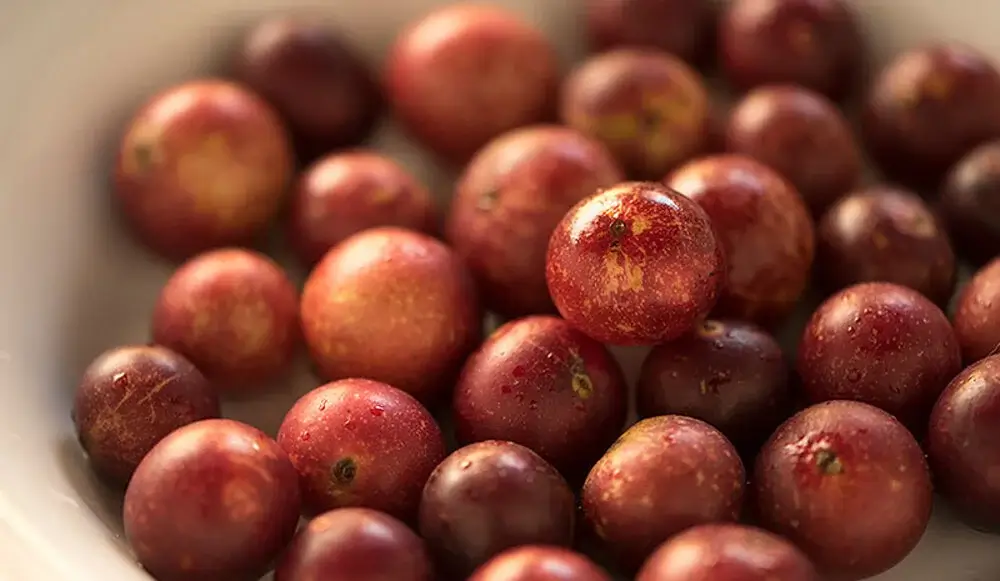
Camu Camu: Amazonian Treasure
This small Amazonian fruit is known for its intense flavor and vibrant color. It is most commonly found in juices and frozen desserts in jungle regions.
Where to try it:
- Amazon lodges
- Local jungle markets
Aguaymanto (Inca Berry): Sweet and Tangy
Native to the Andes, aguaymanto is widely used in Andean fusion cuisine.
You’ll find it:
- In desserts and sauces
- As a garnish in fine dining
- Fresh or dried in local markets
Purple Potatoes: Colorful Andean Heritage
Peru is home to thousands of potato varieties. Purple potatoes stand out for their striking color and deep cultural roots.
Traveler tip: They are widely available in Peru and rarely exported fresh making them a must-try while visiting.
Lucuma: The Gold of the Incas
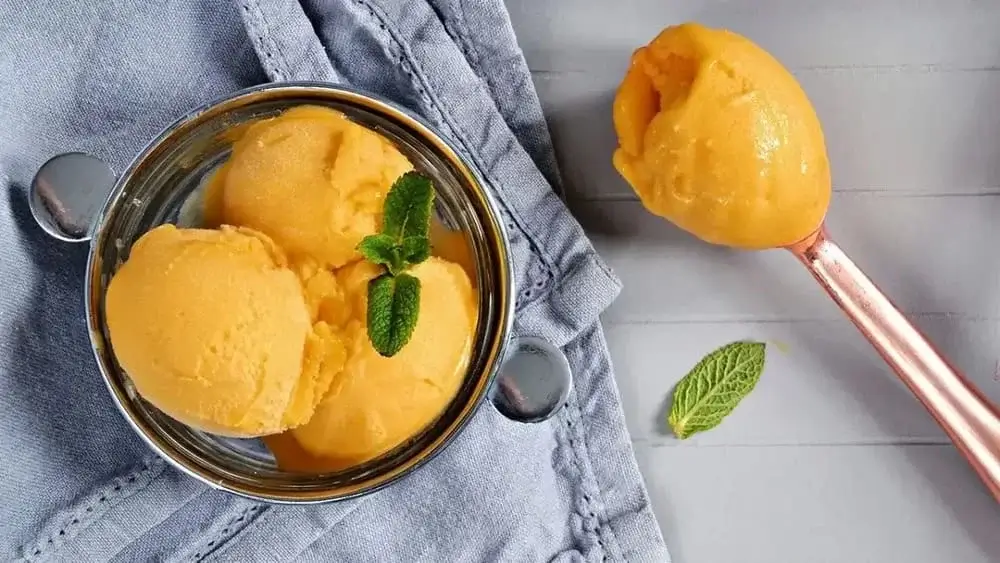
With a naturally sweet, caramel-like flavor, lucuma is a favorite ingredient in Peruvian desserts.
Popular in:
- Ice cream
- Yogurt
- Pastries
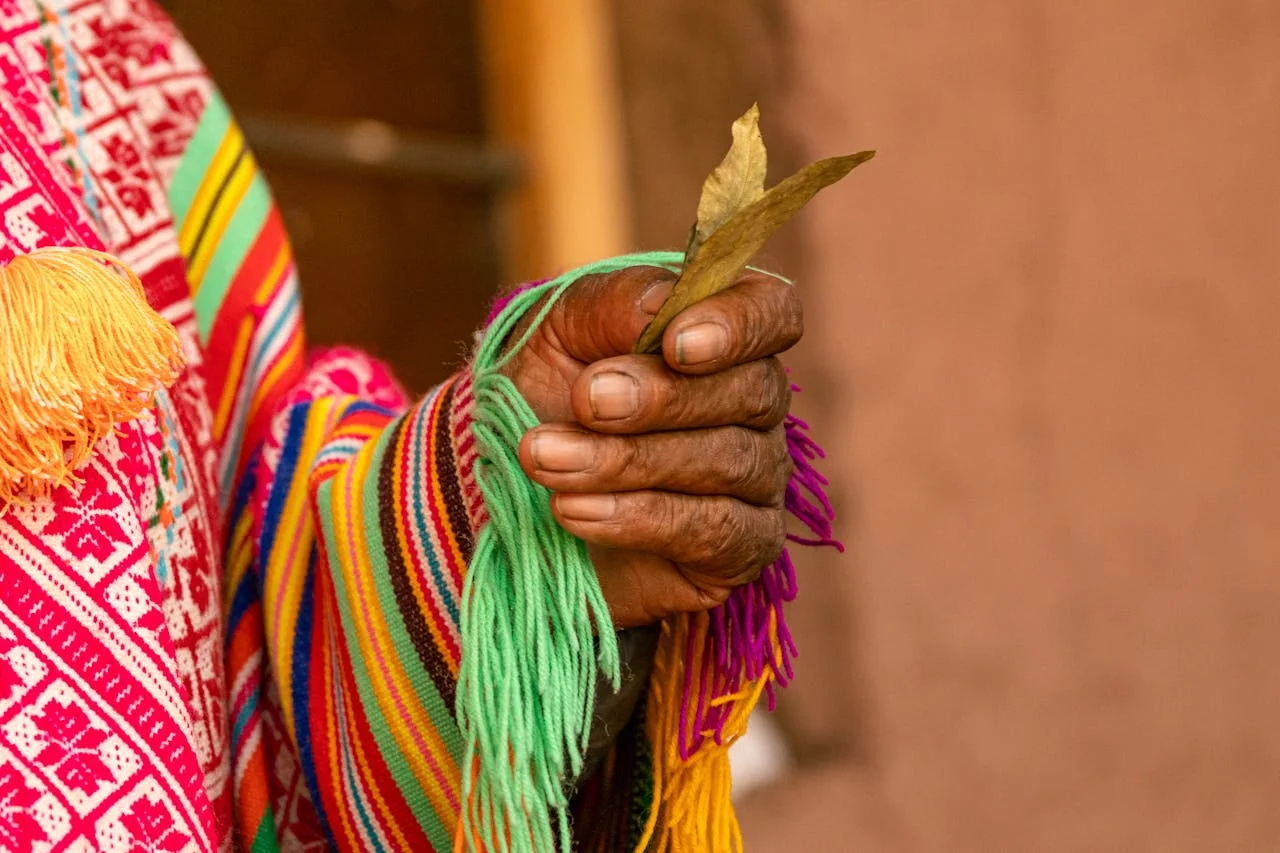
Coca Leaf: Traditional and Cultural
Consumed legally in Peru as tea or in natural form, coca leaves have been part of Andean life for centuries.
Most common use for travelers: Coca tea to help with altitude adjustment
Where to Experience Peruvian Superfoods While Traveling
One of the best ways to discover Peruvian superfoods is through authentic food experiences:
- Guided visits to local markets in Cusco or Lima
- Hands-on cooking classes with professional chefs
- Farm-to-table dining experiences
- Amazon lodge cuisine using native ingredients
Superfoods in Peruvian Cuisine: From Tradition to Fine Dining
Modern Peruvian gastronomy celebrated worldwide has elevated these ancestral ingredients into refined culinary expressions. From traditional Andean kitchens to award-winning restaurants, superfoods play a central role in Peru’s culinary identity.
“Peruvian cuisine tells a story one ingredient at a time.”
→ Peruvian Food: Top 10 Dishes You Can't Miss
FAQs About Peruvian Superfoods
Are Peruvian superfoods safe to try while traveling?
Yes, when consumed through reputable restaurants, markets, and guided food experiences.
Can I find these superfoods throughout Peru?
Most are available nationwide, though some like camu camu are more common in Amazon regions.
Do I need to be health-focused to enjoy them?
Not at all. Many travelers enjoy them simply for their flavor and cultural significance.
Exploring Peruvian superfoods is not just about nutrition it is about connection. Each ingredient tells a story of resilience, biodiversity, and ancestral knowledge shaped by the Andes and the Amazon. From vibrant peruvian markets to refined culinary tables, these foods reveal the essence of Peru in its purest form.
For travelers seeking meaningful experiences, Peruvian superfoods offer a deeper way to understand the country through its land, its people, and its flavors. Whether enjoyed in a traditional kitchen, a luxury lodge, or a hands-on cooking experience, they transform a journey into something truly unforgettable.
At Andean Travel Experience, we design tailor-made journeys that immerse you in Peru’s culinary heritage from market visits and private cooking classes to exclusive dining experiences rooted in ancestral traditions.
Let us craft your personalized Peruvian food journey
Discover Peru beyond sightseeing travel through taste, culture, and connection.